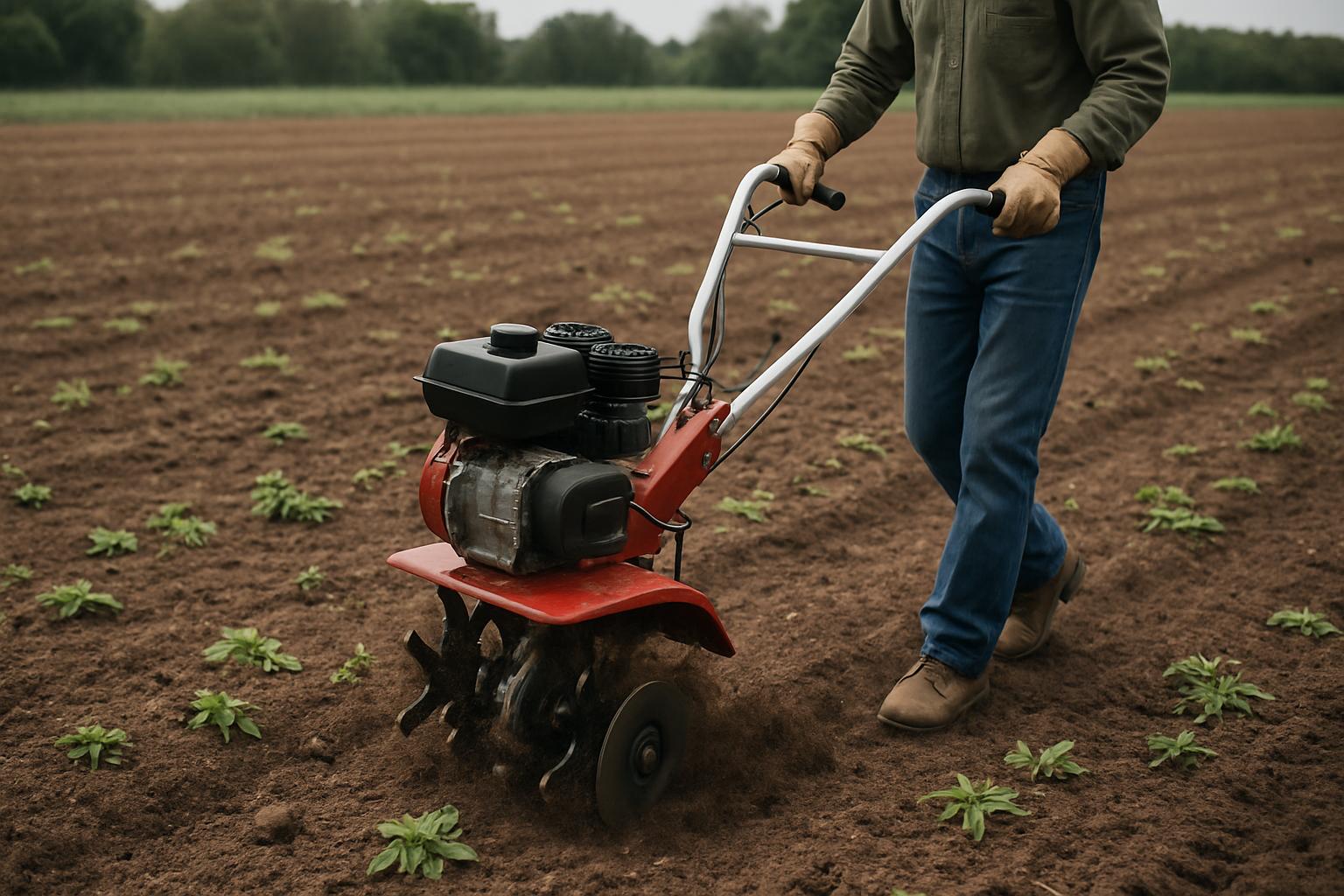
Farming isn’t just about sowing seeds and waiting for rain. It’s a strategic game of prevention, intervention, and fine-tuned timing. In many regions, weeds can emerge as early as seeds hit the soil, competing fiercely for light, water, and nutrients. By tackling weed pressure before planting, growers aim to tip the scales in favor of their crops. But does spending on pre-planting weed elimination really pay off?
The Stakes: A Farmer’s Perspective
Every season starts with a decision: accept a bit of early weed pressure and deal with it post-emergence, or invest up front to clear the slate. Weeds in that vulnerable window can:
- Establish deep root systems that are difficult to eradicate later
- Release allelopathic compounds that stunt young crop seedlings
- Contribute to an ever-expanding seed bank, making future seasons more challenging
Recent surveys suggest that unchecked early-season weeds can reduce yields by up to 20% in commodity crops like corn and soybeans. That’s a significant hit, especially when margins are slim and input costs are rising.
The True Cost of Weed Encroachment
While many growers focus on visible weeds, the hidden cost lies in the seed bank buried just beneath the surface. A single pigweed plant, for example, can produce over 500,000 seeds, all waiting to germinate in future seasons. Over time, the economics of delayed control look grim:
- Increased herbicide resistance due to repeated, less-effective post-emergence sprays
- Rising labor and machinery expenses for mechanical cultivation
- Potential yield drag that accumulates year after year
In fact, weed management can consume up to 25% of a crop’s total production budget, according to industry analysts. Tackling weeds before they emerge can break this cycle, restoring balance to the agroecosystem.
Economic Considerations: Cost vs Long-Term Yield Gains
Spending $20–$40 per acre on pre-planting control might feel steep, but consider the broader impact. Multiple studies demonstrate:
- A 10–15% boost in harvestable yield when early weed flushes are eliminated
- A 30–50% reduction in subsequent post-emergence herbicide applications
- Return on investment ratios ranging from 1.5:1 to 3:1, depending on crop and region
Early-season investments also stabilise input planning. Growers can organize labour and equipment for the busiest planting windows rather than rushing for emergency sprays. The combined impact of consistent yields and decreased resistance over five seasons can significantly shift the profitability scales.
Procurement Strategies: Where to buy Roundup Glyphosate 41% SL herbicide
Farmers often choose to use Roundup Glyphosate 41% SL herbicide as part of their procurement strategy due to its proven effectiveness and broad-spectrum control. Early acquisition of a dependable supply enables:
- Consistent application rates, avoiding sub-lethal dosing that breeds resistance
- Bulk pricing benefits that lower per-acre costs
- Synchronization with weather forecasts to hit ideal application windows
Planning procurement alongside soil testing and field mapping ensures that the herbicide reaches the right fields at the right time, maximizing both efficacy and cost-efficiency.
Selecting the Right Tools: Mechanical and Cultural Controls
Chemical solutions aren’t the only arrow in the quiver. Many growers incorporate mechanical and cultural tactics to amplify control:
- Tillage and shallow cultivations disrupt emerging seedlings before they establish.
- Cover crops such as rye and clover suppress weeds through dense shading and allelopathy.
Integrated methods increase resilience. For example, a roller-crimper after a spring tine harrow can improve soil structure and reduce pre-plant weed density by more than 60%. By combining these strategies with certain herbicides, a multi-layered defence that is effective and long-lasting is produced.
“An ounce of prevention is worth a pound of cure.”
Environmental Impacts: Balancing Efficacy and Ecology
Eliminating weeds before planting is not without attention. Runoff, non-target effects, and chemical residues are among the concerns raised by critics. However, adverse effects can be reduced when applications adhere to best management practices, which include weather monitoring, precise nozzles, and buffer strips. The USDA’s recommendations for Integrated Pest Management state that early weed control can:
- Lower overall herbicide load in the field by up to 40%
- Reduce soil erosion by fostering healthier crop stand establishment
- Promote beneficial insects by shortening the spray window post-emergence
A measured approach balances crop protection with conservation goals, ensuring that the broader ecosystem remains vibrant and productive.
Measuring Success: Metrics for Pre-Planting Weed Elimination
To determine whether the investment paid off, growers track several key performance indicators:
- Weed Seed Bank Reduction
- Harvestable Yield Increase
- Total Herbicide Usage Over the Season
- Cost per Bushel of Yield Saved
Pre-plant treatments reduced the average weed seed bank by 80% in a 2023 case study involving maize fields in the Midwest. This resulted in a 12% increase in production and a 20% decrease in post-emergence spraying expenses. These figures demonstrate both accumulated stability over several seasons as well as quick gains.
Real-World Case Studies: Success Stories from Diverse Agroecosystems
Across rain-fed wheat fields in Western Australia, early elimination tactics reduced weed biomass by 70%, according to the FAO’s Crop Protection Resources. In humid rice paddies of Southeast Asia, integrating stale seedbed techniques with targeted herbicides trimmed weed pressure by half—without sacrificing water quality or beneficial fauna.
A straightforward fact is highlighted by these success stories: context is important. Adapting tactics to crop rotation, soil type, and climate guarantees that pre-plant investments aren’t squandered on universally applicable techniques.
Navigating Regulations and Safety Protocols
Before swinging a sprayer boom or dragging a harrow, it’s vital to stay in compliance. Most regions require:
- Proper calibration records for sprayers and applicators
- Buffer zones around sensitive habitats and waterways
- Personal protective equipment (PPE) protocols for applicators
Familiarity with local pesticide labels and registration requirements protects both the environment and the grower’s bottom line. National databases and extension services often provide up-to-date advisories to streamline compliance.
Cultivating Your Next Steps
Eliminating weeds before planting is a powerful tool in the grower’s toolbox, but it’s not a panacea. Farmers can convert that early investment into stable yields and healthier fields by choosing integrated approaches, balancing upfront expenses against cumulative gains, and following best practices. Are you prepared to plant the seeds of success? Every season offers fresh lessons in the never-ending pursuit of sustainable productivity, so try new things, keep thorough records of your findings, and share your knowledge with the local agricultural community.
Frequently Asked Questions
- Is pre-planting herbicide application safe for soil health?
When applied according to label instructions and integrated with cultural controls, pre-plant herbicides can reduce overall chemical use and help maintain a balanced soil microbiome. - How soon before planting should I eliminate weeds?
Optimal timing is typically 10–14 days prior, allowing enough time for visible flushes without delaying planting operations. - Can I rely solely on mechanical controls?
Mechanical tactics are effective for small to medium-sized weed flushes, but in fields with high seed bank pressure, combining them with herbicides yields more consistent results. - What if weeds are already present at planting?
Post-emergence options exist, but they’re generally more expensive per acre and risk driving resistance if used repeatedly without early interventions. - How do I choose between different herbicide modes of action?
Rotate modes of action annually and select products with proven efficacy against your dominant weed species. Consult resources like the USDA IPM guidelines for detailed recommendations.