
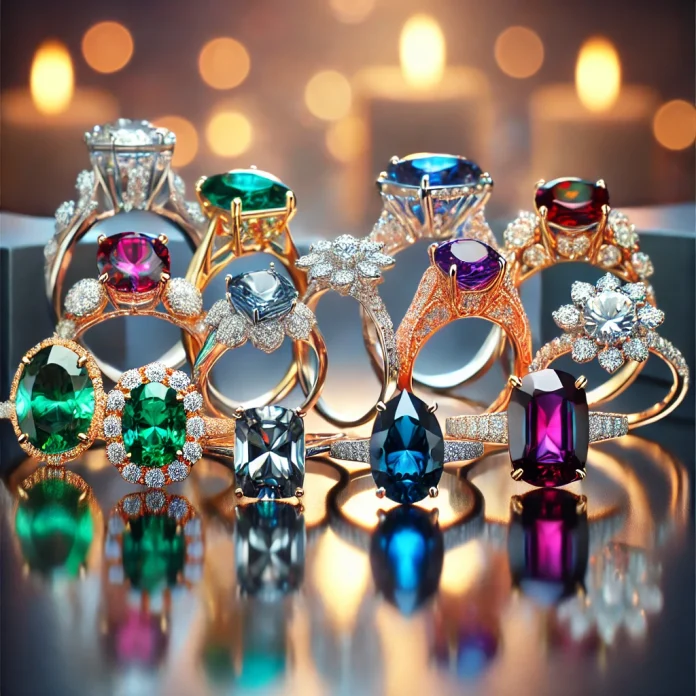

A piece of jewelry holds special significance for you. It could have been passed down from one generation to the next or chosen as a gift during an important occasion. But when it’s time to find out how much it’s worth—whether for insurance, resale, or peace of mind—your first jewelry appraisal can be a little scary. You are not the only one who doesn’t know where to start. This is a simple and easy-to-understand guide to help you through the procedure.
What Is a Jewelry Appraisal?
It’s a professional evaluation that gives your jewelry a clear, up-to-date worth. The worth depends on several things, such as the brand, the quality of the materials, the craftsmanship, the age, the market trends, and the condition. A trustworthy jewelry appraisal agency will give you a documented report that you can use for insurance, resale, taxes, or your records.
Why People Get Their Jewelry Appraised
The most common reason is insurance. Without a formal appraisal, most insurance companies won’t offer full coverage for loss, theft, or damage. But people also get appraisals before selling, gifting, or even splitting assets during legal proceedings.
Often, jewelry owners also just want to understand what they have. Pieces that have been in the family for years often carry stories but no paperwork. An appraisal translates those stories into a number, and that figure might sometimes be a pleasant surprise.
How to Get Ready for Your Appointment
Before your visit, clean your jewelry, but don’t go overboard. A delicate cloth and a light touch are generally all you need. Don’t try to clean or fix the item yourself; let the appraiser examine it in its current state.
What Happens During the Appraisal
Your appraiser will use expert tools, including microscopes, loupes, and metal testers, to look at the item. They will measure it, weigh it, and look at the quality of the stone and the skill of the setting. All these facts, including a description, pictures, and the item’s estimated value, comprise an official report.
A reliable jewelry appraisal service will guide you through the procedure and answer any queries you may have.
The Different Types of Value
Many people who are new to jewelry don’t know this: it doesn’t have just one “value.” The evaluation could be for retail replacement value (used for insurance), fair market value (used for resale), or liquidation value (used for rapid sales or settling an estate). Make sure you know why you need the appraisal so that the value is right for what you need it for.
For example, if you’re planning to sell the piece, you want fair market value. If you’re getting it insured, the appraiser will usually calculate what it would cost to replace the item, which is typically higher.
Should You Trust Online Appraisal Services?
Online watch valuation tools have made it easier for people to get a sense of what their items might be worth. While watches often fall into a different category than jewelry, the concept is similar—photographs, brand details, and condition reports are submitted to a professional who then provides value.
That said when it comes to physical jewelry—especially pieces with stones or unique designs—seeing the item in person is still the gold standard. Some hybrid services allow you to begin online and then arrange secure pickup or drop-off for a full physical inspection.
How Often Should You Get It Appraised?
Prices for precious metals and gemstones don’t stand still. If you had your ring valued five or ten years ago, chances are the market has changed. Most professionals recommend updating your jewelry appraisal every three to five years, particularly if the item is insured.
What to Expect from a Professional Report
A proper appraisal includes more than just a number. The report should include:
A detailed description of the item
- Photographs
- Gemstone grading (if applicable)
- Metal type and purity
- Weight and measurements
- The method used to determine the value
- The appraiser’s credentials
If a report feels vague or rushed, don’t accept it. A good appraisal gives you clarity, not confusion.
Final Thoughts
For many, this first appraisal leads to better understanding and greater care of their collection. And when it’s time to sell, upgrade, or insure, you won’t be guessing—you’ll be ready.