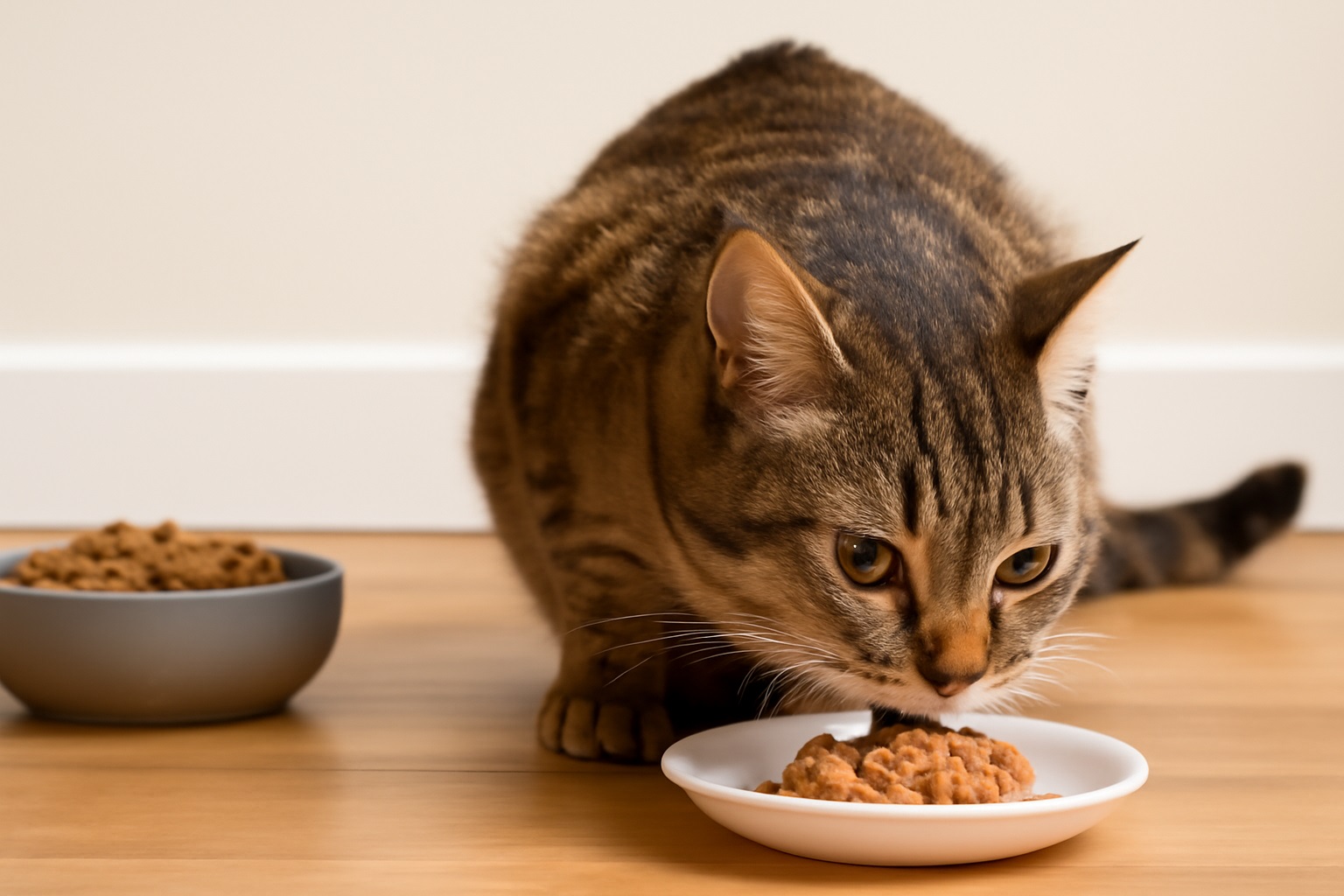
As a cat owner, ensuring that your furry friend is happy and healthy is a top priority. One of the most essential components of maintaining a cat’s well-being is providing them with the right food. A balanced diet, along with appropriate feeding habits, can help your cat live a longer and healthier life. In this article, we’ll explore easy tips to keep your cat healthy by offering them the right food and keeping them well-nourished.
1. Choose High-Quality, Nutrient-Rich Cat Food
Selecting the right cat food is crucial for your cat’s health. Cats are obligate carnivores, which means they require a protein-rich diet to thrive. Look for high-quality commercial cat food that contains real meat as the first ingredient, whether it’s chicken, turkey, or fish. Ideally, you want food with minimal fillers, such as corn or wheat, which offer little nutritional value.
Protein is essential for maintaining muscle mass, supporting a healthy immune system, and promoting overall energy. Additionally, cats require specific nutrients like taurine, an amino acid that supports heart and eye health, and omega-3 fatty acids, which help promote a shiny, healthy coat. Always choose foods that meet the nutritional levels established by the Association of American Feed Control Officials (AAFCO) to ensure your cat is getting a balanced diet.
2. Consider Your Cat’s Age and Health Needs
Cats have different nutritional needs depending on their age, size, and health status. Kittens, for instance, need food that’s high in calories and nutrients to support their rapid growth and development. On the other hand, adult cats require a more balanced diet to maintain their weight and energy levels. Senior cats may benefit from food that is tailored to their aging bodies, providing joint support and helping with digestion.
If your cat has any underlying health conditions, such as kidney disease, obesity, or allergies, it’s essential to select food that addresses those issues. For example, cats with kidney problems may benefit from low-protein, low-phosphorus food, while overweight cats might need a weight-management formula. Always consult with your vet to find the best cat food options that meet your pet’s specific needs.
3. Incorporate Wet and Dry Food
Many cat owners choose to feed their cats either wet food or dry food exclusively. However, incorporating both types into your cat’s diet can be beneficial. Wet food is an excellent source of moisture, which is essential for your cat’s urinary tract health. Cats are often not very good at drinking enough water, so feeding wet food can help prevent dehydration, which is common in cats, especially older ones.
On the other hand, dry food can help promote dental health by reducing plaque and tartar buildup. The crunchiness of dry food may help clean your cat’s teeth as they eat, though it’s important to note that wet food should not be fully replaced by dry food for hydration purposes. A combination of both wet and dry food provides your cat with the benefits of each type.
4. Establish a Regular Feeding Schedule
Just like humans, cats benefit from consistency in their eating habits. Establishing a regular feeding schedule will help maintain your cat’s metabolism and prevent overeating. Most adult cats do well with two meals per day—once in the morning and once in the evening. Kittens and cats with higher energy needs may need more frequent feedings, such as three or four times a day.
If you’re using dry food, it’s easy to measure out each portion, ensuring your cat receives the appropriate amount of calories. For wet food, you can divide the cans into portions or choose single-serve packets to prevent overfeeding. If you’re unsure about portion sizes, consult your veterinarian, as feeding recommendations can vary based on your cat’s size, activity level, and overall health.
5. Avoid Overfeeding and Keep Track of Your Cat’s Weight
Obesity is one of the most common health problems among cats, and it can lead to serious conditions such as diabetes, joint problems, and heart disease. Overfeeding your cat, especially with high-calorie treats or extra food, can quickly lead to weight gain. It’s important to monitor your cat’s weight and adjust their food intake accordingly.
To keep your cat healthy, ensure you’re feeding them the right amount of food for their specific age, size, and activity level. Keep an eye on their body condition score (BCS), which is a method used by veterinarians to assess whether a cat is underweight, overweight, or at an ideal weight. If you’re unsure whether your cat is overweight, consult your vet for a thorough assessment and tailored advice.
6. Provide Fresh, Clean Water
Always ensure that your cat has access to fresh, clean water throughout the day. Hydration is critical for your cat’s overall health, and a lack of water can lead to kidney disease, urinary tract problems, and other health concerns. Some cats prefer drinking from a running water source, so investing in a water fountain might encourage them to drink more.
Water also plays an important role in helping to digest food and absorb nutrients. If your cat eats a primarily dry diet, it’s even more important to ensure they drink enough water. Keep your cat’s water bowl clean and refill it regularly to promote hydration.
7. Limit Human Food and Treats
Cats are curious creatures, and they may beg for food or try to eat your meals. However, it’s essential to limit the amount of human food your cat consumes. Many foods that are safe for humans, such as onions, garlic, chocolate, and alcohol, can be toxic to cats. Feeding them inappropriate foods can lead to poisoning, digestive upset, or long-term health issues.
If you want to give your cat treats, stick to high-quality, vet-approved cat treats. Make sure they are appropriate for your cat’s age, health, and dietary needs. Remember, treats should only account for a small portion of your cat’s daily calorie intake—usually no more than 10% of their total diet.
Conclusion
Keeping your cat healthy with the right food is an easy and effective way to show your love and care. By providing them with a well-balanced diet that meets their nutritional needs, establishing a regular feeding routine, and monitoring their weight, you can help ensure they live a long, healthy life. Don’t forget to always consult with your veterinarian when making any significant changes to your cat’s diet, as they can provide personalized guidance based on your cat’s health and needs.
FAQs
1. What is the best food for my cat?
The best food for your cat depends on their age, health, and dietary preferences. High-quality protein-rich food with essential nutrients like taurine and omega-3 fatty acids is ideal. Consult your vet for specific recommendations based on your cat’s unique needs.
2. How much food should I feed my cat?
The amount of food to feed your cat depends on their size, age, and activity level. Most adult cats need about 1/2 to 1 cup of dry food per day, divided into two meals. Kittens and active cats may need more. Always follow the feeding guidelines on the cat food packaging and consult your vet for specific advice.
3. Can I feed my cat only dry food?
While dry food can be convenient and helpful for dental health, it should not be the only food your cat eats. Wet food provides moisture and helps maintain urinary tract health, so a combination of both wet and dry food is usually the best option.
4. What foods should I avoid giving my cat?
Avoid feeding your cat foods like chocolate, onions, garlic, grapes, raisins, and alcohol, as they are toxic to cats. Also, refrain from giving your cat too many human snacks or table scraps, as they can upset their digestive system and lead to obesity.
5. How can I tell if my cat is overweight?
You can tell if your cat is overweight by feeling their ribs. If you can’t feel the ribs easily or if there is a noticeable layer of fat, your cat may be overweight. Additionally, look for signs like lethargy, difficulty moving, or excessive weight gain. Consult your vet for a proper assessment and tailored advice.