In the industrial world, machinery is the heartbeat of productivity. From assembly lines to construction equipment, high-performance machines are what drive innovation, efficiency, and growth across sectors. But behind the powerful exterior of every machine lies a complex network of components that make its operation possible. These internal parts, often hidden from view, play a critical role in ensuring reliability, safety, and longevity.
One such group of components includes piping and connection systems that move fluids or gases under high pressure. In this category, alloy steel forged fittings have become a preferred choice for manufacturers looking for strength, durability, and resistance in demanding applications.
The Inner Workings of Industrial Machinery
Machinery is a sum of many working parts. While we often admire large structures such as engines, hydraulic cylinders, and robotic arms, it’s the internal components—gears, shafts, seals, fittings, and bearings—that truly determine how efficiently and safely the machine operates.
These parts must endure constant movement, stress, pressure, and exposure to heat or corrosive substances. If any single component fails, the entire system can shut down—leading to costly delays and safety risks.
This makes it essential for industrial machines to be built using high-quality materials, precise engineering, and components designed specifically for the job.
Why Material Selection Is Crucial
Different machinery applications demand different material properties. For instance:
- Mining equipment requires abrasion resistance.
- Chemical processing systems need corrosion-resistant components.
- Hydraulic systems require pressure-resistant piping and seals.
- Power generation demands high-heat endurance.
Using the wrong material can lead to early wear, cracks, corrosion, or even catastrophic failure. That’s why industries rely on specialized materials like stainless steel, carbon steel, bronze, and various alloy steels to match performance with purpose.
The Role of Forged Fittings in Machinery
Fittings may seem like small parts, but they are vital in managing fluid transfer, pressure control, and structural support in many types of machinery. These fittings are used to connect pipes, hoses, valves, and other components. If they fail, leaks, pressure drops, or system damage can follow.
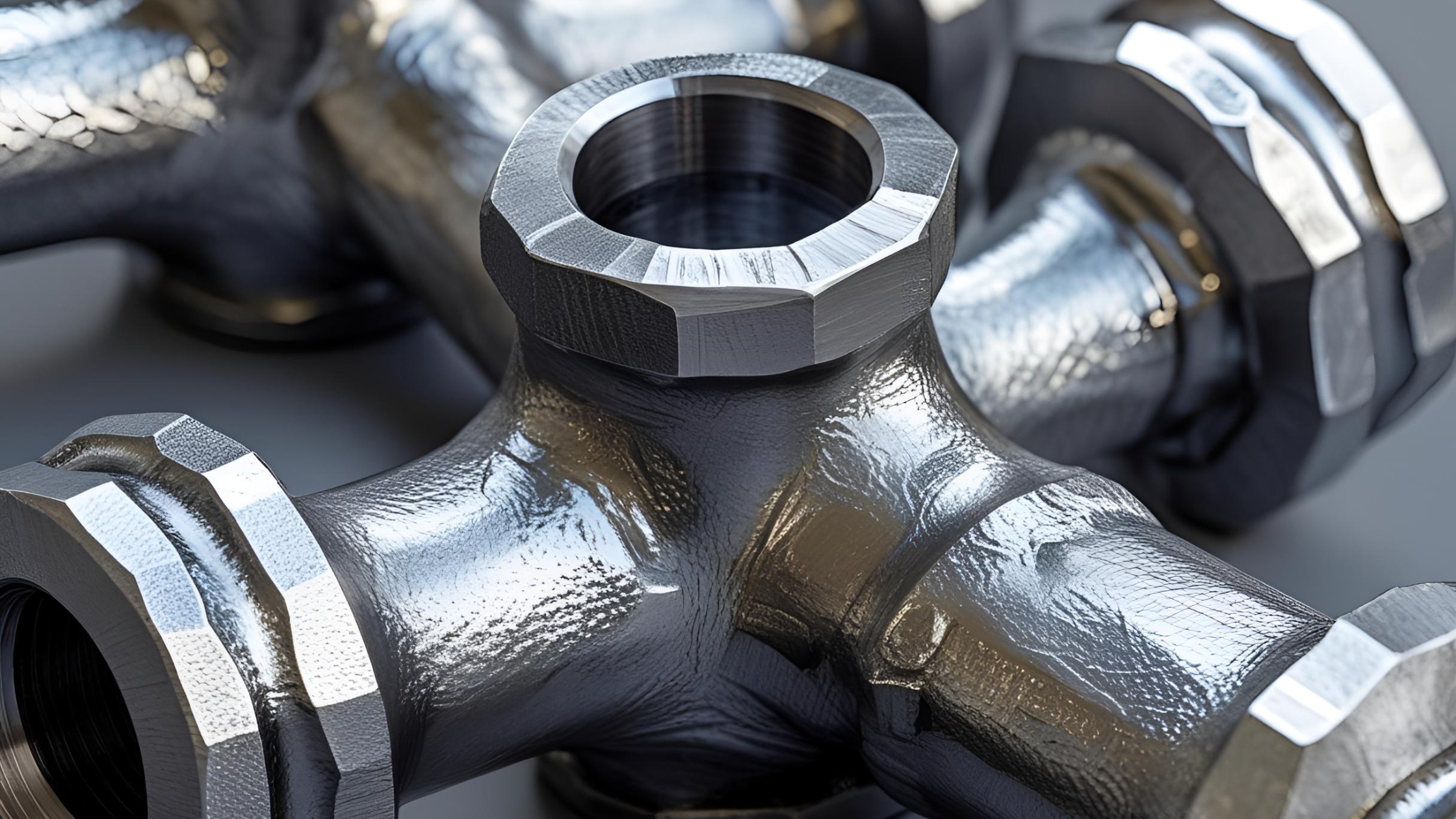
This is where alloy steel forged fittings come in. Unlike cast fittings, forged fittings are shaped by applying extreme pressure to heated alloy steel. This process increases the fitting’s strength, eliminates internal voids, and ensures a consistent grain structure throughout the part.
Benefits of Alloy Steel Forged Fittings in Industrial Systems
- High Strength and Pressure Resistance
Forged alloy steel fittings can handle extreme pressure and are ideal for applications in oil & gas, petrochemical, and heavy machinery systems. - Corrosion and Heat Resistance
Alloy steel resists corrosion, even in challenging environments like marine systems or chemical processing. This extends the lifespan of fittings and reduces maintenance frequency. - Compact and Durable Design
The forging process results in dense, compact fittings that can handle vibration and mechanical stress better than their cast or welded counterparts. - Leak-Proof Connections
Precision forging ensures tight tolerances and clean finishes, contributing to secure and leak-free connections—especially important in hydraulic and steam systems.
Real-World Machinery That Depends on High-Quality Fittings
1. Hydraulic Machinery
Used in construction, agriculture, and aerospace, hydraulic systems rely on high-pressure fluid to move mechanical parts. Fittings must be strong and durable to prevent leaks under pressure.
2. Power Plants
Steam turbines and heat exchangers in thermal power plants use high-temperature, high-pressure steam. Forged alloy steel fittings ensure the safe and efficient transfer of this steam without corrosion or cracks.
3. Chemical Processing Equipment
Industrial mixers, reactors, and pipelines in chemical plants require fittings that can withstand exposure to acids, alkalis, and high temperatures.
4. Oil and Gas Machinery
In drilling rigs, refineries, and offshore platforms, alloy steel fittings are used in flow lines and control systems that deal with harsh fluids under intense pressure.
Machinery Longevity Depends on Every Part
While engines and control systems often receive the most attention, the smallest parts—like bolts, pipes, seals, and fittings—can be just as important. A poorly selected or low-quality fitting can compromise an entire machine, resulting in leaks, downtime, and safety hazards.
That’s why it’s essential to use certified, tested, and properly rated components for every machine build or repair. Investing in durable materials like alloy steel forged fittings ensures not just performance, but peace of mind.
Conclusion
The machinery we rely on every day in manufacturing, energy, construction, and transportation is only as good as the components that power it. Whether it’s high-pressure piping or small internal connectors, every part must meet the demands of performance, pressure, and environment.
Alloy steel forged fittings are one example of how thoughtful material selection can make a massive difference in safety, efficiency, and durability. As machinery evolves to meet modern demands, the materials and parts behind the scenes must evolve too—delivering strength where it matters most.