Introduction
In today’s fast-paced manufacturing landscape, staying competitive means embracing technologies that enhance both productivity and safety. One such transformative technology is AI-powered video analytics. By integrating artificial intelligence with video surveillance systems, manufacturers are now able to monitor operations in real-time, detect anomalies, ensure compliance with safety protocols, and optimize processes like never before. This convergence of AI and video data is not just an upgrade – it’s a game changer.
Definition
AI Video Analytics refers to the use of artificial intelligence technologies to automatically analyze video footage in real-time or after recording. It enables the detection, tracking, and interpretation of objects, events, and behaviors within video streams, helping improve security, operational efficiency, and decision-making across various industries such as retail, transportation, and public safety.
What is AI Video Analytics?
The term artificial intelligence (AI) video analytics describes the processing and analysis of live or recorded video using AI algorithms. Unlike traditional surveillance systems that rely on human observation, AI-powered systems can automatically detect patterns, behaviors, and anomalies across vast amounts of video data.
These analytics can identify anything from equipment malfunctions and safety violations to production inefficiencies and unauthorized access. By doing so, they significantly reduce the margin of error and human oversight that can often lead to accidents or production downtime.
Enhancing Safety in Manufacturing
Safety remains one of the top concerns in manufacturing environments, where workers often operate heavy machinery or handle hazardous materials. AI video analytics can play a crucial role in accident prevention and safety monitoring through the following means:
Real-Time Detection of Unsafe Behavior:
AI systems can be trained to recognize behaviors that deviate from safety protocols. For instance, if a worker enters a restricted zone or operates machinery without the necessary protective gear, the system can immediately alert supervisors or even trigger automatic shutdowns to prevent injury.
PPE Compliance Monitoring:
Personal protective equipment (PPE) like helmets, gloves, and safety vests are essential in most industrial settings. AI video analytics can automatically detect whether employees are wearing the required gear. If someone is found to be non-compliant, the system can generate real-time alerts, ensuring faster corrective action.
Slip, Trip and Fall Detection:
Injuries in manufacturing are frequently caused by falls. AI algorithms can recognize when a person has fallen or if there is an increased risk due to liquid spills or obstacles. Early detection helps in providing immediate medical assistance and identifying areas prone to such risks.
Fire and Smoke Detection:
Advanced AI systems can detect signs of smoke or fire faster than traditional sensors. Early alerts allow for quicker evacuation and emergency response, minimizing damage and potential loss of life.
Improving Operational Efficiency
While safety is paramount, AI video analytics also brings a host of efficiency-related benefits to manufacturing operations.
1. Production Line Monitoring:
By continuously analyzing video feeds, AI can detect irregularities in the production line, such as equipment malfunctions, bottlenecks, or idle time. For example, if a robotic arm stops functioning or a conveyor belt halts unexpectedly, the system can alert maintenance teams instantly, reducing downtime.
2. Quality Control:
AI video analytics can be used to inspect products in real-time during the manufacturing process. The system can detect visual defects, inconsistencies, or damage, allowing for immediate correction without halting the entire line. This automation guarantees a consistently high-quality product while simultaneously lowering human error.
3. Workflow Optimization:
Through video data, AI can track the movement of workers and materials throughout the factory. By analyzing this data, companies can identify inefficiencies in layout or workflow and make adjustments to improve throughput and reduce waste.
4. Inventory and Asset Management:
AI systems can track raw materials and finished goods as they move through the facility. Automated detection of stock levels and locations reduces the need for manual inventory checks and helps maintain accurate records, ultimately improving supply chain efficiency.
Data-Driven Decision Making
The capacity of AI video analytics to transform unprocessed video footage into useful information is one of its biggest benefits. Over time, the system can accumulate large datasets that reveal trends, inefficiencies, and potential risks. Manufacturers can leverage this information for strategic decision-making, continuous improvement, and proactive maintenance planning.
For instance, if the data shows that a particular machine consistently malfunctions at a specific time, the issue can be addressed before it results in costly downtime. Similarly, insights into employee movement can inform ergonomic improvements or layout changes to enhance productivity.
Integration with Other Technologies
AI video analytics becomes even more powerful when integrated with other Industry 4.0 technologies. Pairing video data with sensors from the Internet of Things (IoT), for example, provides a more comprehensive view of the production environment. Integration with digital twins – virtual replicas of physical assets – can allow simulation and prediction of potential failures or safety risks.
AI analytics can also feed into centralized dashboards for plant managers, enabling a single interface to monitor everything from safety compliance to machine health, all in real-time.
Overcoming Challenges
While the benefits of AI video analytics in manufacturing are substantial, implementation does come with its challenges.
- Data Privacy: Ensuring the privacy of workers is critical. Manufacturers must establish clear policies and comply with data protection regulations when deploying surveillance and analytics systems.
- Cost of Implementation: Initial investments in AI systems, cameras, and infrastructure can be significant. However, these costs are often offset by long-term savings from improved safety and efficiency.
- Scalability and Integration: Existing infrastructure may not be compatible with modern AI solutions. Companies must plan for scalable solutions that can grow with operational needs.
- Training and Change Management: Employees need to be trained to work alongside AI systems and understand how to interpret and act on the data provided.
The Future of AI in Manufacturing Surveillance
As AI continues to evolve, the future of video analytics in manufacturing holds even more promise. We can expect:
- Predictive Analytics: AI systems will not only detect current issues but also predict future ones, enabling proactive interventions.
- Edge Computing: More processing will happen at the camera or device level, reducing latency and improving response times.
- Natural Language Interfaces: Supervisors may one day interact with AI systems via voice commands or chat-based interfaces to query system status or retrieve reports.
- Greater Customization: Industry-specific models will offer tailored solutions for different manufacturing verticals such as automotive, electronics, or food production.
Growth Rate of AI Video Analytics Market
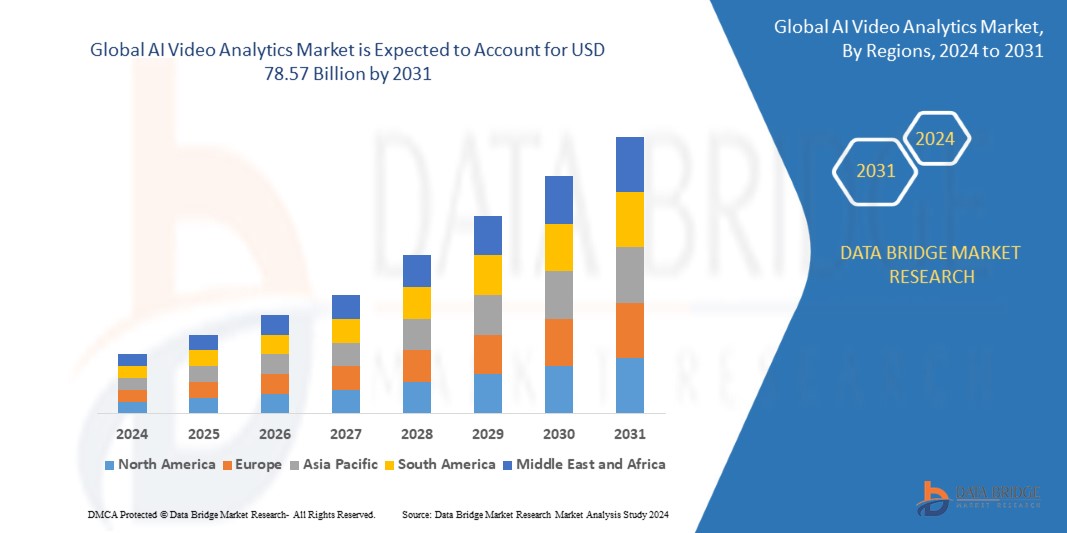
According to Data Bridge Market Research, the size of the global AI video analytics market was estimated at USD 9.12 billion in 2023 and is expected to grow at a compound annual growth rate (CAGR) of 30.89% from 2024 to 2031, reaching USD 78.57 billion.
Read More: https://www.databridgemarketresearch.com/reports/global-ai-video-analytics-market
Conclusion
AI video analytics is rapidly transforming the manufacturing sector by offering unprecedented levels of safety monitoring and operational efficiency. With real-time insights, predictive capabilities, and integration potential, it provides a powerful tool for manufacturers aiming to stay ahead in an increasingly competitive environment. While challenges exist, the long-term benefits far outweigh the initial hurdles. By investing in AI-driven video analytics, manufacturers not only protect their workforce but also gain a strategic edge through improved productivity, reduced downtime, and smarter decision-making.