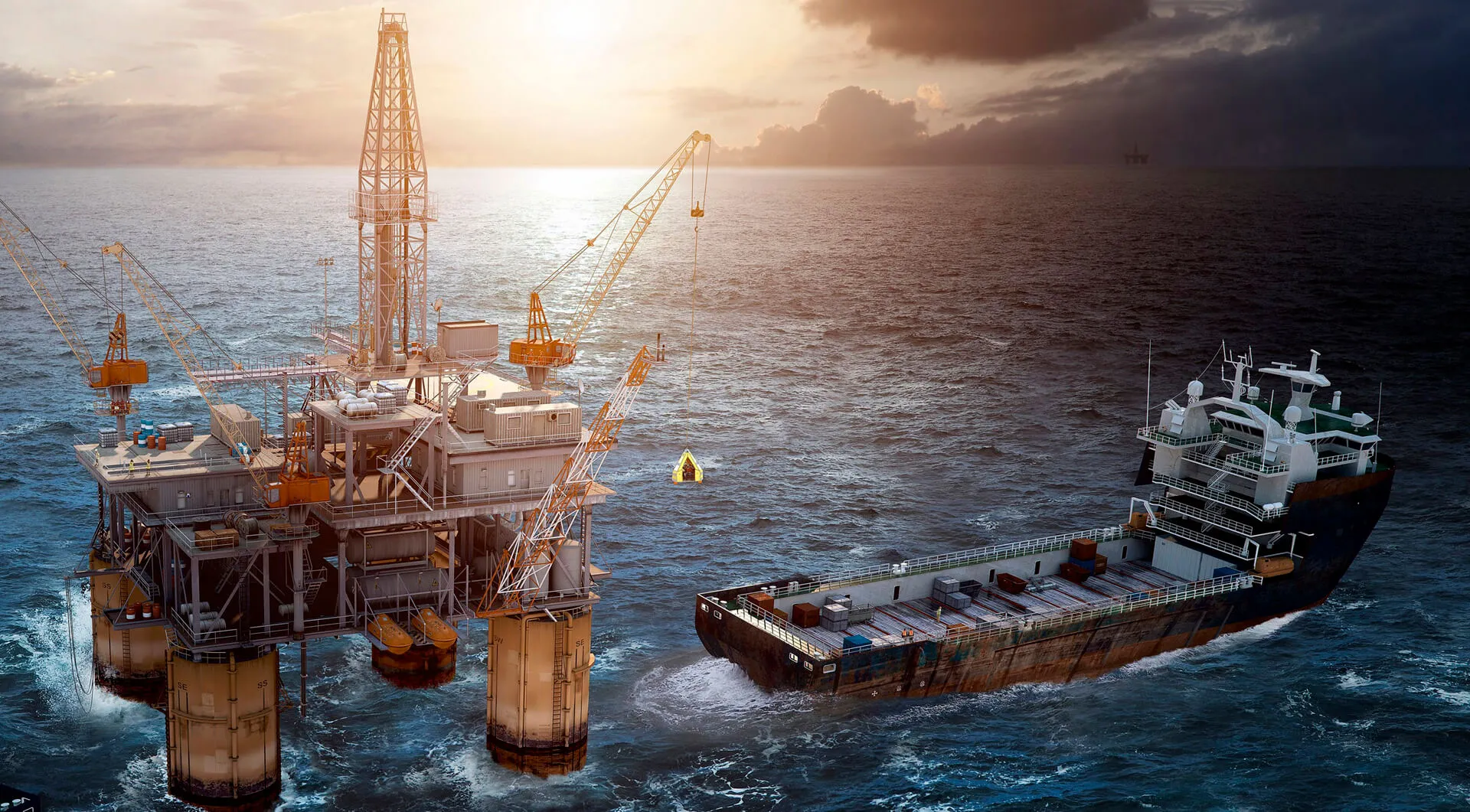
In the heart of the ocean, where sunlight fades and pressures crush, a team of engineers aboard a floating platform battles towering waves to unlock energy reserves hidden miles below the seabed. Their mission, powered by cutting-edge deep offshore technology, is a testament to human ingenuity, pushing the boundaries of what’s possible in one of Earth’s most unforgiving environments. This article dives into the world of deep offshore technology, exploring its innovations, challenges, and future potential in harnessing resources from the ocean’s depths.
What is Deep Offshore Technology?
Deep offshore technology refers to the advanced engineering systems and processes used to explore, extract, and manage resources—primarily oil, gas, and minerals—in water depths exceeding 500 meters. These technologies encompass drilling rigs, subsea systems, and remotely operated vehicles (ROVs) designed to withstand extreme conditions.
Key Components of Deep Offshore Systems
- Drilling Rigs: Floating platforms like semi-submersibles and drillships anchor in deep waters, equipped with dynamic positioning systems to stay stable.
- Subsea Infrastructure: Pipelines, manifolds, and control systems on the seabed manage resource extraction and transport.
- ROVs and AUVs: Remotely operated and autonomous underwater vehicles perform maintenance and inspections in areas humans cannot reach.
Why Deep Offshore Matters
The global demand for energy and minerals continues to grow, and deep offshore technology enables access to reserves that were once unreachable. These operations contribute significantly to global energy markets, with offshore fields supplying over 30% of the world’s oil and gas.
Innovations Driving Deep Offshore Exploration
The evolution of deep offshore technology has been marked by breakthroughs that enhance efficiency and safety. These innovations allow operations in ultra-deep waters, sometimes exceeding 3,000 meters.
Advanced Drilling Techniques
Horizontal and extended-reach drilling enable precise targeting of reservoirs, reducing environmental impact and operational costs. Real-time data analytics optimize drilling paths, improving yields.
Subsea Processing Systems
Subsea processing units, such as separators and pumps, process resources directly on the ocean floor. This reduces the need for surface facilities, cutting costs and minimizing environmental risks.
Robotics and Automation
ROVs equipped with AI and high-definition cameras perform complex tasks like pipeline repairs. Autonomous underwater vehicles (AUVs) map seabeds with unparalleled accuracy, aiding exploration.
Challenges in Deep Offshore Operations
Operating in deep waters presents unique challenges that demand innovative solutions and rigorous safety protocols.
Extreme Environmental Conditions
Deep-sea environments feature crushing pressures, freezing temperatures, and corrosive saltwater. Equipment must be engineered to withstand these conditions for years without failure.
Environmental and Regulatory Concerns
Deep offshore projects face scrutiny due to potential ecological impacts. The International Seabed Authority (ISA) regulates mining in international waters, emphasizing sustainable practices. Operators must balance profitability with environmental stewardship.
High Costs and Risks
The financial investment for deep offshore projects can exceed billions of dollars. A single drilling rig costs hundreds of millions, and any failure—mechanical or human—can lead to catastrophic losses.
The Future of Deep Offshore Technology
As technology advances, the future of deep offshore exploration looks promising, with a focus on sustainability and efficiency.
Renewable Energy Integration
Deep offshore platforms are exploring hybrid systems that combine fossil fuel extraction with renewable energy, such as offshore wind or wave energy, to reduce carbon footprints.
Digital Transformation
AI and machine learning are revolutionizing deep offshore operations. Predictive maintenance algorithms minimize downtime, while digital twins—virtual models of physical assets—optimize performance.
Sustainable Practices
Innovations like carbon capture and storage (CCS) are being integrated into deep offshore projects to mitigate environmental impact. These efforts align with global goals for net-zero emissions.
Conclusion
Deep offshore technology stands at the intersection of human ambition and environmental responsibility. From the engineers braving the seas to the robots mapping the ocean floor, this field showcases the power of innovation to unlock Earth’s hidden resources. As the industry evolves, balancing technological advancements with sustainable practices will be key to ensuring deep offshore technology continues to fuel global energy needs while protecting our planet’s delicate ecosystems.