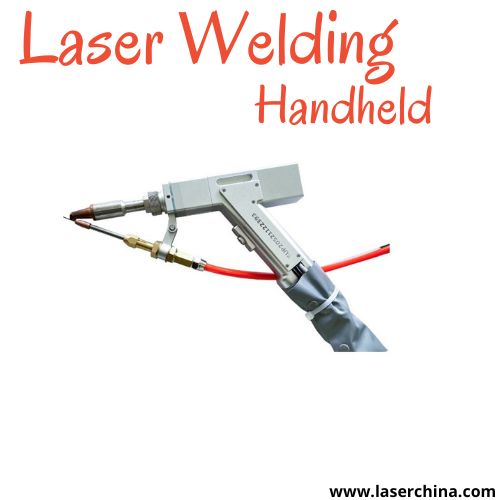
In the evolving world of metal fabrication, one tool has captured the attention of both seasoned professionals and emerging craftsmen alike — the laser welding handheld machine. Its sleek design, cutting-edge technology, and unmatched portability position it as more than just another innovation. But what really makes it a standout? Is it hype, or is there something truly game-changing at play?
To explore this, let’s dive into the world of handheld laser welding, how it’s reshaping industries, and why it might just be the future of welding.
A Glimpse Into the Welding Evolution
Traditional welding methods such as TIG, MIG, and arc welding have served us well for decades. They’re powerful, reliable, and efficient—when placed in the right hands. However, they often require significant setup, consumables, and operator experience. Along comes the laser welding handheld solution, promising to simplify, speed up, and refine the welding process without compromising on quality.
Unlike its bulky predecessors, this device doesn’t anchor you to a welding booth or rely heavily on consumables. Its portable format allows welders to move freely, making it ideal for on-site jobs, repairs, and working on complex parts or awkward angles.
But is it just a portable welder? Or does it open new possibilities?
Why the World Is Talking About Laser Welding Handheld Tools
The shift toward miniaturization and mobility is more than a trend—it’s a demand of modern manufacturing. From automotive repairs in tight engine compartments to delicate joinery in aerospace components, the laser welding handheld device provides access to precision in places previously unreachable.
Let’s talk about some real-world scenarios.
1. Automotive Repairs with Clean Results
A car enthusiast working on a restoration project doesn’t want spatters and warps, especially on body panels. With a laser welding handheld machine, the user can make clean, narrow welds without damaging surrounding material. This becomes especially critical when dealing with aluminum or high-tensile steel, where traditional methods might falter.
2. Jewelry Fabrication & Repair
Jewelry makers need precision, finesse, and control. Whether it’s repairing a broken chain link or crafting intricate patterns on gold or platinum, the pinpoint accuracy of a handheld laser welding device enables artisans to achieve their desired outcome without excessive heat or mess.
3. Food & Beverage Equipment Assembly
In industries where hygiene is paramount, like food processing, welds must be smooth to prevent bacterial growth. The laser welding handheld system delivers this level of cleanliness effortlessly. The non-contact nature and minimal distortion ensure the equipment remains both functional and sanitary.
Changing the Skill Game
Welding has long been considered a skill that takes years to master. Torch angles, feed speed, amperage, and shielding gases—these are all variables a welder must juggle. But with the laser welding handheld machine, things are different.
The learning curve becomes significantly less steep. Many operators report becoming proficient in a matter of days rather than months. This doesn’t eliminate skill, but it democratizes the process. Suddenly, smaller workshops, startups, and even hobbyists can participate in high-precision welding without needing the decades of experience once required.
From Manufacturing to Art: A Creative Tool
Surprisingly, artists and sculptors are also adopting handheld laser welding machines. The reason? Creativity meets control. Whether working with stainless steel, brass, copper, or even titanium, the laser welding handheld device allows artists to connect metal pieces seamlessly, without the messy cleanup associated with traditional welding.
The lack of smoke, minimal noise, and reduced risk of heat damage make it ideal for indoor studios. It also allows precise detailing, something that’s invaluable when shaping intricate designs or working with mixed materials.
The Cost Versus Capability Equation
Yes, upfront costs for laser welding technology can be higher than arc welders. But what’s often missed is the holistic cost analysis. Factor in the reduced need for consumables, minimal maintenance, higher accuracy, and faster work time, and the investment begins to make sense.
A laser welding handheld unit doesn’t just represent a tool—it represents operational efficiency. Less rework. Fewer errors. A tidier workspace. Over time, these savings add up, especially for businesses operating in high-volume production or intricate assembly.
Versatility in Materials and Applications
Another compelling reason the laser welding handheld tool is making waves is its ability to work with a wide range of materials. Stainless steel, carbon steel, aluminum, copper, brass, and more—all can be handled with remarkable ease.
This opens doors in multiple industries:
- Aerospace: Where every gram and micron counts.
- Electronics: Where delicate components must remain undamaged.
- Construction: For mobile welding tasks in hard-to-reach places.
- Renewable Energy: For assembling battery packs and solar components.
And all this from a device that fits in your hand and moves where you do.
Safety and Workplace Improvements
While welding traditionally conjures images of smoke-filled workshops and bulky helmets, the laser welding handheld tool brings about a cleaner, more controlled environment. There’s reduced splatter, minimized smoke, and often no need for consumable filler materials. For welders, that means improved visibility, less physical strain, and a safer working condition.
It also has the added advantage of being quieter than arc-based systems, making it more suitable for indoor environments or shared workspaces where noise control matters.
Skill Up for the Future
Many vocational training centers and technical schools are beginning to integrate laser welding handheld equipment into their programs. Why? Because industries are adopting them, and the next generation of fabricators needs to be ready.
As industries modernize, job roles evolve. Welders trained on older systems might find themselves needing to upskill. Fortunately, this technology is intuitive, with interfaces often resembling that of smartphones—familiar and easy to navigate.
The transition from traditional to laser-based welding doesn’t signal obsolescence—it signals evolution. Welders who embrace this shift will find themselves more valuable in a competitive job market.
Environmental Impact and Sustainability
With industries now under pressure to reduce carbon footprints, sustainability matters. The laser welding handheld system is aligned with this vision. Lower energy consumption, cleaner processes, and less waste contribute to more eco-friendly operations.
Additionally, the minimal use of fillers and shielding gases not only saves money but also reduces environmental impact. Businesses seeking green certifications and sustainable credentials increasingly prefer such tools that blend performance with responsibility.
Final Thoughts
The question was simple: Is the laser welding handheld device just a flashy gadget or a future-forward tool?
The evidence is clear. It’s redefining workflows, expanding accessibility, and fueling innovation across sectors. From garage workshops to aerospace labs, from artisan studios to automated factories, this tool is leaving its mark—one precise weld at a time.
In a world that rewards agility, precision, and versatility, the laser welding handheld machine doesn’t just belong—it leads. Whether you’re a fabricator, technician, artist, or entrepreneur, this might just be the tool that transforms how you see welding forever.