In today’s fast-moving world, people want convenience, comfort, and control at their fingertips. That’s exactly what smart home devices offer. Whether it’s turning on the lights with your voice or checking who’s at the door while sitting in your office, smart home technology is changing how we live. These devices not only make life easier but also help us save time, energy, and money.
What Are Smart Home Devices?
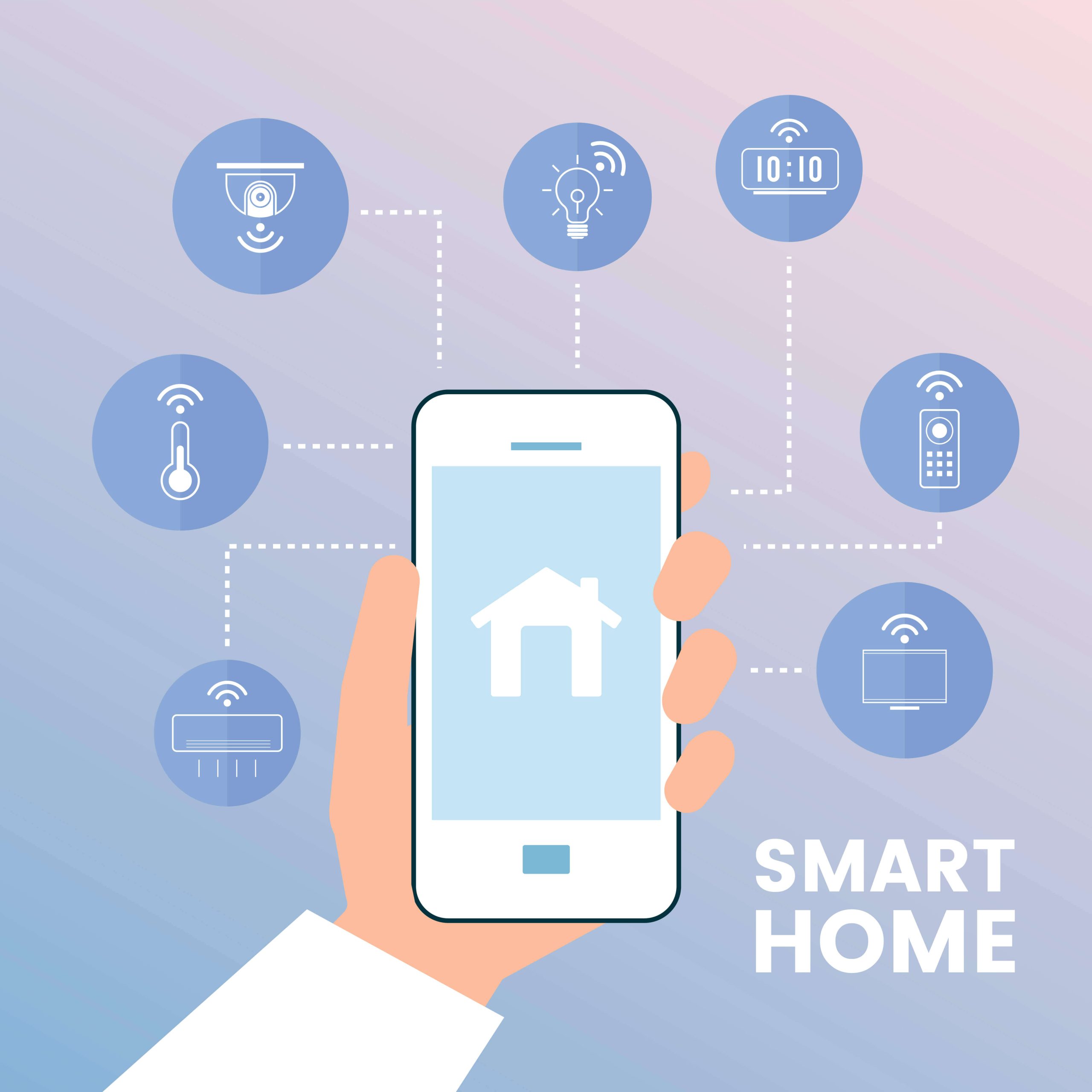
Smart home devices are electronic gadgets that connect to the internet and allow users to control different functions of their homes remotely. These devices can include smart lights, smart thermostats, doorbells, security cameras, and even refrigerators. Most of these can be controlled through mobile apps or voice assistants like Alexa and Google Assistant.
For example, with a smart thermostat, you can control the temperature of your home from your phone. If you’re coming home from work on a hot day, you can set the AC to cool your room before you arrive. These small changes bring a big level of comfort and efficiency.
How Do These Devices Work?
Most smart devices work through a central system or app that connects them to your home Wi-Fi. Once connected, you can give commands to your devices through your phone or voice assistant. For example, a smart plug lets you turn a regular appliance into a smart one. Plug in a lamp to a smart plug, and you can turn it on or off through your mobile app.
Behind the scenes, companies that create these devices rely heavily on technology expertise. They often partner with an embedded software development company to build the internal software that powers these smart features. This software acts like the “brain” of the device, making sure everything works smoothly.
Benefits of Using Smart Devices at Home
There are many benefits to having smart devices in your home:
- Convenience: You can control devices with just your voice or a tap on your phone.
- Security: Smart locks and cameras help you keep an eye on your home from anywhere.
- Energy Saving: Smart lights and thermostats help save electricity by turning off when not in use.
- Time Saving: Automate daily tasks like brewing coffee in the morning or turning off the lights at night.
- Customization: You can create routines, like setting all lights to turn off and doors to lock when you say “Goodnight.”
These devices are especially helpful for elderly people or those with mobility challenges, allowing them to control their homes more easily.
Examples of Popular Smart Devices
Here are a few commonly used smart home devices:
- Smart Lights: You can change colors, set timers, and control brightness with your phone.
- Smart Locks: Lock or unlock your door remotely or give temporary access to friends and family.
- Smart Cameras: Keep an eye on your home, talk to visitors, or record video clips.
- Smart Speakers: Play music, set reminders, or control other smart devices using voice commands.
- Smart Appliances: Refrigerators that show you what’s inside, or ovens you can preheat from your phone.
Are Smart Devices Safe?
Many people worry about privacy when it comes to smart devices. Since these gadgets are connected to the internet, there’s a small risk of hacking or data theft. However, trusted brands and companies are working hard to make devices secure. Regular software updates, strong passwords, and secure Wi-Fi connections can help keep your smart home safe.
To make these devices secure and reliable, companies invest in embedded software development services. These services help design the low-level software that makes devices function safely, without glitches or risks.
The Future of Smart Homes
Smart homes are getting smarter every day. In the future, we might see homes that adjust everything from lighting to music based on our mood. Smart kitchens might suggest recipes based on the ingredients you have. Even cleaning could be taken care of by smart robots that learn your daily routine.
As technology continues to grow, smart devices will become more affordable and common. More people will start using them not just for convenience but for energy savings and better living.
Final Thoughts
Smart home technology is no longer just a luxury—it’s becoming a part of everyday life. With simple installations and easy-to-use apps, more families are switching to smart homes. These devices improve comfort, safety, and efficiency, making life smoother and smarter.