
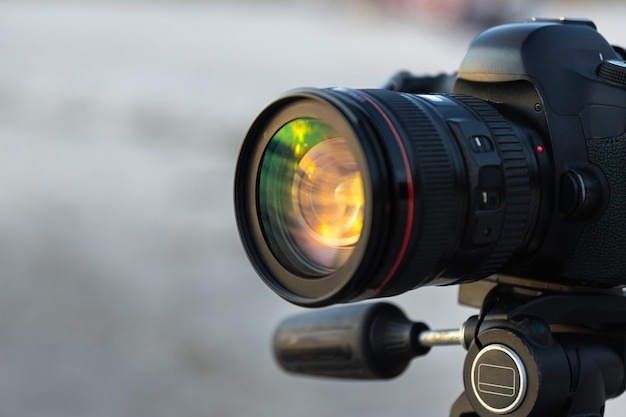
Few cinema cameras have earned as much respect on professional sets as the Sony Venice camera line. Used on feature films, streaming series, and high-end commercials, it has become a favorite of cinematographers who want rich images and flexible tools. The current flagship, the Venice 2, builds on the original design with new technology while keeping the look filmmakers love. Here are the features that make it stand out.
1. A Full-Frame Sensor With High Resolution
The Sony Venice camera offers a choice of two full-frame sensors. The newer 8.6K sensor captures an 8640 x 5760 image, and Sony claims about 16 stops of total latitude, which helps preserve detail in bright highlights and deep shadows.
The original 6K sensor remains available and supports higher frame rates. Because the 8.6K sensor oversamples, 2K and 4K projects can benefit from less noise and richer detail, which also suits virtual production and in-camera VFX.
2. Dual Base ISO for Low-Light Flexibility
Shooting in changing light is easier when a camera handles it gracefully. The Sony Venice camera uses dual base ISO, with the 8.6K sensor offering 800 and 3200, while the 6K sensor offers 500 and 2500.
Switching to the higher base lets filmmakers work in dim locations without adding heavy noise. This means smaller lighting setups and more freedom on night exteriors and practical-lit interiors.
3. Built-In ND Filters
Anyone who has swapped filters under pressure appreciates this feature. The Sony Venice camera includes servo-controlled internal ND filters ranging from clear to eight stops.
Operators can adjust exposure without changing the lens aperture or stopping to fit filters. That keeps depth of field consistent, saves time on set, and makes it easier to shoot outdoors where the light constantly shifts.
4. Interchangeable Sensor Block and Rialto Extension
Flexibility is built into the design. On the Venice 2, the sensor block can be swapped between the 8.6K and 6K options, and the body recognizes the change automatically without a firmware reinstall.
The Rialto extension system separates the sensor block from the main body, which helps with tight spaces, gimbals, car mounts, and lightweight rigs. This is one reason the Sony Venice camera appears so often on action and stunt-heavy productions.
5. Internal Recording and Lens Compatibility
The Venice 2 records X-OCN and Apple ProRes 4444 and 422 HQ internally, so a separate recorder is not required. That reduces cables and weight, and it speeds up setup.
The Sony Venice camera also works with a wide range of lenses, including PL mount optics and Sony’s native E-mount, with adapters opening the door to many others.
Final Thoughts
The Venice line combines resolution, low-light performance, practical on-set tools, and a trusted image. It is not a camera for every budget, and many productions rent it for specific projects instead of buying. Test it with your lenses and workflow, compare rental options, and plan your storage and media needs. For cinematographers who want a premium, reliable tool, the Sony Venice camera remains one of the most respected choices in the industry.