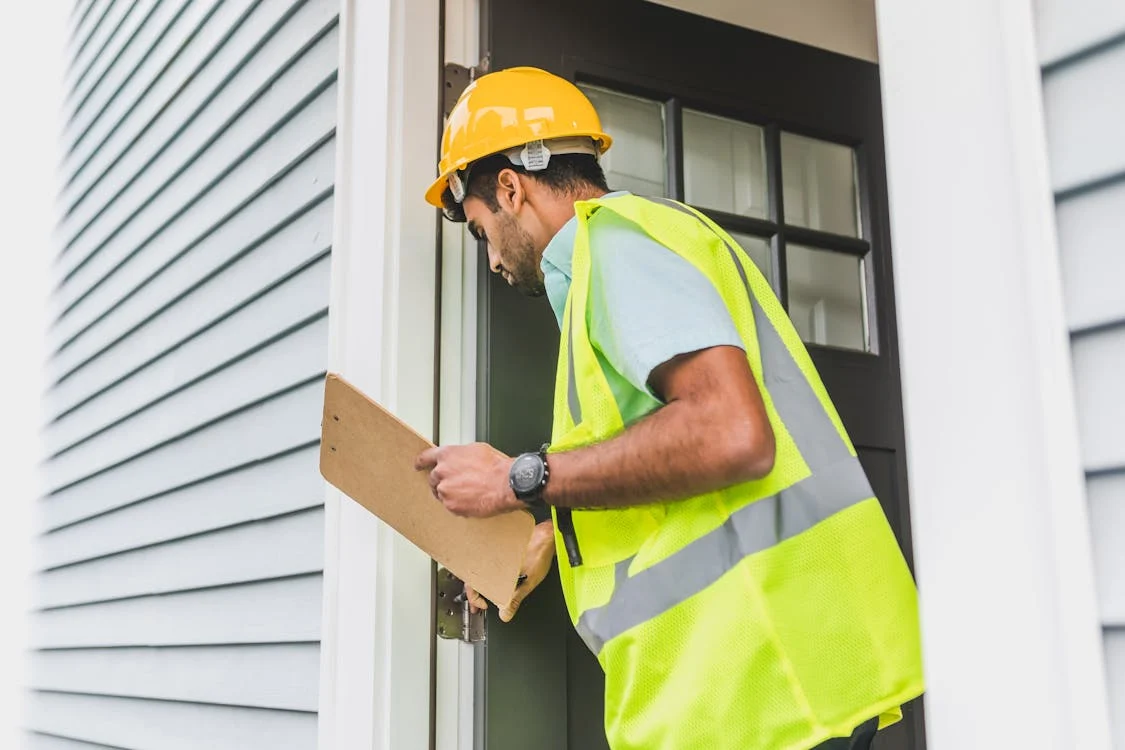
A construction or renovation project must begin with certainty before any work starts, which means that teams must have a good idea of exactly what’s already on the site. Existing conditions surveys provide accurate, current, and detailed information about a building or site before design work begins.
These surveys are a practical, risk-reducing step that helps project teams avoid delays, cost overruns, and design conflicts. For organizations managing large or aging buildings, this step helps reduce uncertainty by finding manageable facts.
What Is an Existing Conditions Survey?
An existing conditions survey is a structured way to document the current state of a building or site. It may involve:
- Measuring dimensions of rooms, walls, and structural components
- Mapping mechanical, electrical, and plumbing systems
- Identifying changes from original drawings or undocumented additions
- Verifying ceiling heights, floor slopes, or accessibility features
- Recording materials, finishes, and visible signs of wear or alterations
The final output is often a set of drawings, models, or reports that give the design team a reliable baseline. This information becomes the foundation for planning, engineering, and budgeting.
Why Surveys Are Essential in Real-World Projects
Many buildings don’t match their original drawings because over time, layouts shift, systems are upgraded, and records get lost. If a design team works from outdated or inaccurate plans, the result could be:
- Redesigns mid-project
- Unexpected structural challenges
- Safety hazards
- Wasted time on-site
Consider a commercial renovation. A contractor opens a wall expecting clear space, only to find legacy cabling or undocumented ductwork. That discovery can stall the project, trigger redesigns, and add unplanned costs. Missteps like these can ripple into scheduling, procurement, and even permit reapplications.
With an existing conditions survey, those issues are identified in advance, and the project can move forward with fewer surprises and better coordination.
Who Uses the Survey, and How
Multiple professionals rely on the data from an existing conditions survey:
- Architects need it to validate spatial relationships and fit new designs.
- Engineers use it to assess load-bearing structures and integrate new systems.
- Contractors refer to it when planning site logistics and scheduling.
- Project managers use it to forecast timelines and align budgets.
- Facility managers may keep it for future maintenance planning.
All key players must work from the same information. This alignment reduces miscommunication and creates a more coordinated workflow.
Methods Used in Modern Surveys
Today’s surveys often use technologies like:
- 3D laser scanning
- Photogrammetry
- Total stations
- Aerial drone imaging (in some site types)
These tools allow surveyors to capture detailed spatial data quickly and safely, even in hard-to-access areas. The result is a high-resolution model or drawing set that forms the basis of accurate planning. High-fidelity data also reduces the number of site visits required during design development.
Common Situations That Require Surveys
Specific projects make existing conditions surveys especially valuable:
- Repurposing old buildings for new uses
- Renovating facilities with undocumented upgrades
- Integrating modern systems into heritage structures
- Working under strict time or budget limits where errors carry high costs
- Expanding operational spaces without disrupting current usage
In each case, having the correct data up front can prevent weeks of delay and thousands in unplanned expenses. It ensures compliance, supports stakeholder approvals, and enables better resource allocation.
What to Expect from a Quality Survey
High-quality surveys should be:
- Detailed: Capturing enough information for accurate planning
- Timely: Delivered quickly to meet project deadlines
- Clear: Formatted so all teams can interpret them easily
- Verifiable: Based on site data, not assumptions or outdated documents
- Scalable: Adaptable to large sites or complex interiors
Before commissioning a survey, ask service providers how they verify their data and how the results will be delivered. Reliable partners should provide clear documentation, be open about their methods, and align deliverables with your project goals.
Final Thought
Existing conditions surveys are one of the most effective tools for minimizing risk in design and construction. They create a shared understanding of what already exists, allowing teams to move forward with clarity and confidence. Projects that skip this step might react to problems instead of solving them early. For decision-makers responsible for budget, timeline, or safety, starting with the facts is essential for successful projects.