Marine deck machinery plays a critical role in the safe and efficient operation of vessels, whether they are cargo ships, tankers, or passenger ships. This machinery includes essential equipment such as winches, windlasses, cranes, mooring systems, and hatch covers. Like any mechanical system, deck machinery is subject to wear, malfunction, and failure. Timely diagnosis of issues is vital to avoid operational delays, costly repairs, and potential safety hazards at sea.
This article explores the methods and approaches used to quickly diagnose marine deck machinery issues. It covers common problems, signs of malfunction, diagnostic tools, inspection procedures, and preventive maintenance practices that ensure operational readiness and compliance with maritime safety standards.
NOTE:- Marine winch failures were promptly addressed during routine inspection and Marine Deck Machinery Repair. Power Hydraulics ensured all components were reconditioned to meet safety standards.
Understanding Marine Deck Machinery Systems
Marine deck machinery encompasses all mechanical and electromechanical devices that support shipboard deck operations. These include:
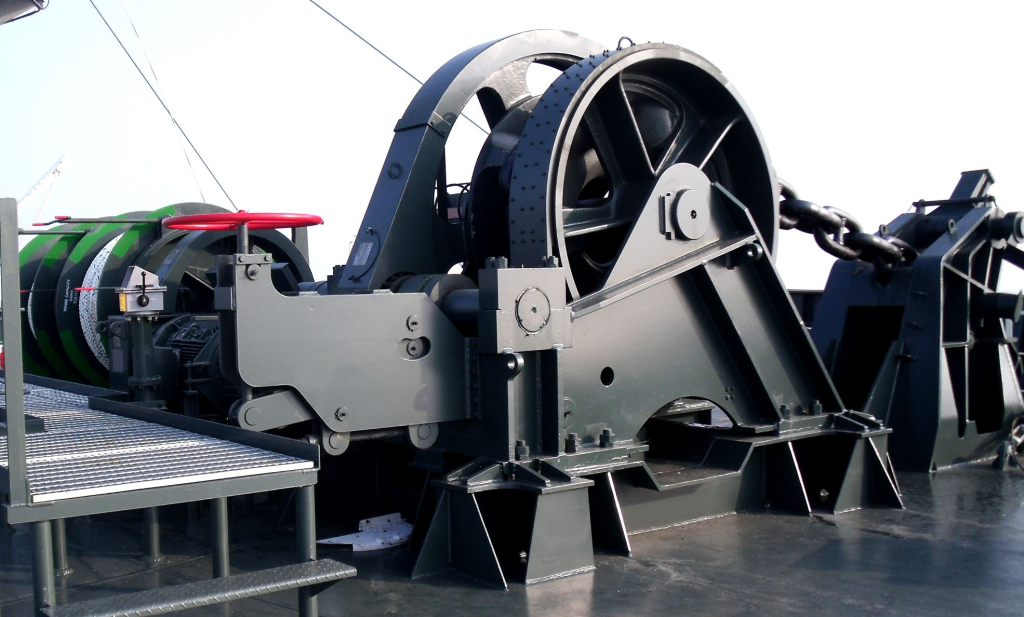
- Anchoring systems (windlasses)
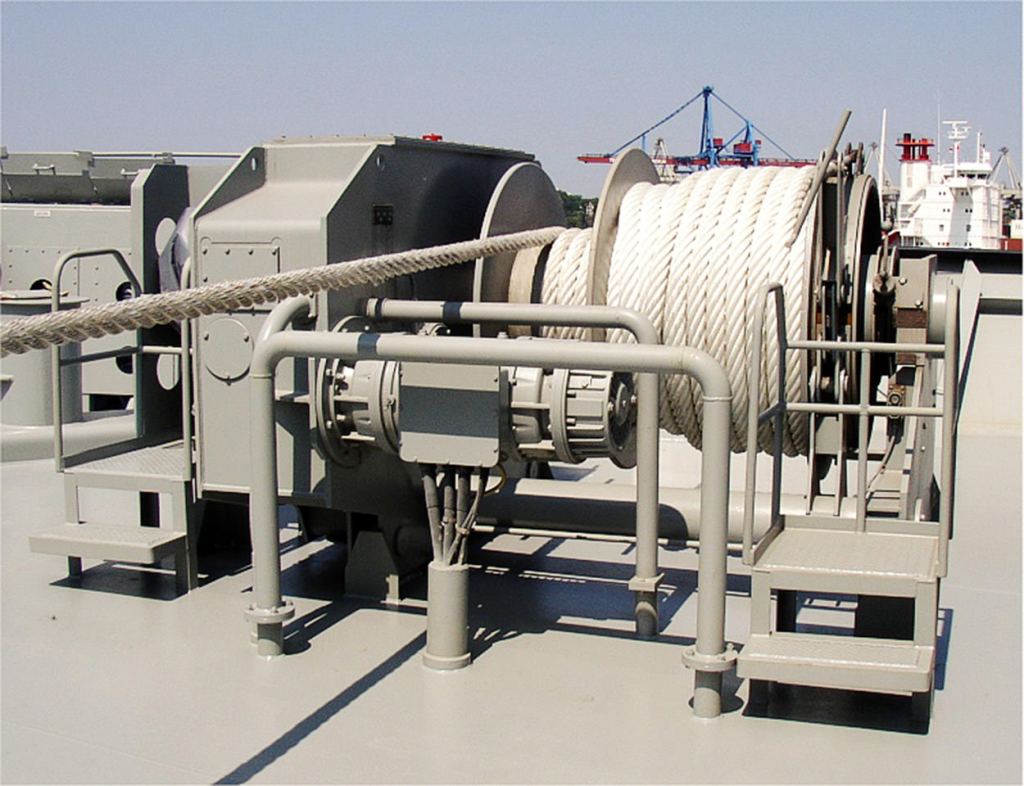
- Mooring systems (capstans and winches)
- Cargo handling systems (deck cranes, derricks)
- Hatch cover systems
- Hydraulic and pneumatic actuators
- Lifting and towing equipment
Each component is designed to operate in harsh marine environments, including exposure to saltwater, humidity, mechanical stress, and heavy loads. Due to these conditions, they require rigorous maintenance and accurate diagnostic protocols.
Recognizing Early Signs of Machinery Malfunction
Timely diagnosis begins with recognizing symptoms that indicate potential issues. Operators and engineers must be trained to observe subtle changes in performance and behavior.
Typical early signs include:
- Unusual vibrations or noises during operation
- Slower than normal response or actuation
- Hydraulic fluid leaks or pressure drops
- Irregular movement of mechanical arms or gears
- Overheating of motors or actuators
- Burning smells from electrical components
Spotting these symptoms early can prevent minor faults from escalating into major failures.
Common Causes of Deck Machinery Failures
Several factors contribute to the failure or inefficiency of marine deck machinery. Understanding these causes helps narrow down diagnostic efforts.
- Corrosion: Saltwater exposure accelerates corrosion of metal components, affecting strength and function.
- Mechanical Wear: Continuous operation under heavy load causes wear in bearings, gears, and chains.
- Hydraulic Failures: Contaminated or degraded hydraulic fluid can damage seals, valves, and actuators.
- Electrical Faults: Short circuits, insulation failure, or component degradation lead to unreliable motor performance.
- Improper Lubrication: Inadequate lubrication causes friction, overheating, and accelerated wear.
- Misalignment or Imbalance: Poor installation or structural shifting can cause machinery misalignment, leading to vibrations and malfunction.
Diagnostic Tools and Equipment Used
To speed up the identification of issues, engineers rely on various diagnostic tools. The choice of tool depends on the type of machinery and suspected fault.
- Vibration Analysis Tools: Used to detect misalignments, bearing faults, or gear damage.
- Thermal Imaging Cameras: Identify overheating motors, resistors, or electrical junctions.
- Hydraulic Pressure Gauges: Check for fluid pressure loss or pump inefficiency.
- Ultrasonic Leak Detectors: Useful for detecting hydraulic and pneumatic leaks.
- Electrical Testers (Multimeters, Insulation Testers): Diagnose shorts, voltage drops, and circuit faults.
- Borescopes: Visual inspection inside sealed components without disassembly.
Using the right combination of these tools reduces downtime and improves repair accuracy.
Step-by-Step Inspection and Diagnosis Procedure
To quickly diagnose marine deck machinery issues, a structured inspection routine is essential. This ensures no aspect is overlooked and allows for systematic elimination of possible faults.
Initial Visual Inspection
Start with a comprehensive visual check for visible defects such as:
- Leaks (oil, hydraulic fluid)
- Loose bolts or fittings
- Worn-out hoses or cables
- Corroded surfaces
Operational Testing
Run the equipment under normal conditions and monitor its performance. Observe for noise, vibration, and irregular movement. Document the anomalies.
Check Hydraulic and Electrical Systems
Inspect the hydraulic system for fluid levels, color, and pressure using gauges. For electrical systems, test voltage, resistance, and insulation using appropriate testers.
Perform Functional Diagnostics
Use diagnostic software or onboard monitoring systems (if available) to analyze system logs and error codes.
Analyze Collected Data
Compare readings with manufacturer specifications. This helps identify deviations that signal malfunctioning components.
Decide on Repairs or Replacement
Based on the findings, decide whether components can be repaired on-site or need replacement. Immediate fixes may include tightening connections or topping off hydraulic fluid.
Importance of Scheduled Preventive Maintenance
Preventive maintenance is the cornerstone of avoiding unexpected breakdowns. A proactive approach allows ships to operate efficiently and safely while extending the service life of deck machinery.
Effective preventive maintenance includes:
- Scheduled lubrication of moving parts
- Periodic replacement of seals and filters
- Regular flushing of hydraulic systems
- Routine testing of motors and circuits
- Surface treatment to combat corrosion
By adhering to a maintenance calendar, ship operators reduce the risk of downtime and ensure machinery remains in top condition.
Compliance with Maritime Regulations and Standards
Marine machinery must comply with standards set by classification societies like DNV, ABS, Lloyd’s Register, and international bodies such as IMO and SOLAS. Non-compliance can result in fines, detentions, or insurance issues.
Diagnosing issues quickly supports:
- Compliance with inspection and survey schedules
- Fulfillment of safety audit requirements
- Record-keeping for maintenance and repairs
Maintaining a clear diagnostic logbook ensures readiness for audits and inspections.
Training Crew for Better Diagnosis
Quick diagnosis depends not only on tools but also on trained personnel. Training ensures that crew members can perform first-level diagnostics before calling in external support.
Training should include:
- Basics of hydraulic and electrical systems
- Identifying early warning signs
- Safe use of diagnostic tools
- Reading technical manuals and schematics
Empowered crew members act as the first line of defense against operational disruptions.
Leveraging Remote Monitoring Technologies
Modern vessels are increasingly adopting remote monitoring systems. These systems continuously collect operational data from deck machinery and alert operators to anomalies.
Benefits include:
- Real-time performance tracking
- Predictive maintenance alerts
- Remote troubleshooting by shore-based experts
This technology reduces the need for manual inspections and enhances diagnosis accuracy.
Case Study Example: Diagnosing Winch Failure
A cargo ship reported abnormal noise and reduced speed in a mooring winch. Engineers began with a visual inspection, finding no external damage. Vibration analysis indicated bearing wear. Further inspection revealed contaminated grease and misalignment in the gear assembly.
Resolution involved replacing the bearings, realigning the shaft, and changing the lubricant. The winch was tested and cleared for operation within 12 hours, avoiding costly delays.
This case illustrates the importance of a methodical diagnostic approach and early action.
Conclusion
Marine deck machinery is vital for operational safety and efficiency at sea. Quick and accurate diagnosis of mechanical issues reduces downtime, ensures regulatory compliance, and prevents costly breakdowns.
Through structured inspections, skilled personnel, appropriate tools, and preventive maintenance, ship operators can identify and resolve issues promptly. The use of remote diagnostics and crew training further enhances the effectiveness of fault detection.
In the fast-paced and regulated maritime industry, the ability to quickly diagnose marine deck machinery issues is not just a technical skill—it is a strategic advantage.
For more insightful articles related to this topic, feel free to visit – euromediawire