Understanding the Basics of Crop Acreage
Crop acreage refers to the total area of land used for growing crops in a particular region or farming operation. This area is usually measured in acres or hectares, depending on the country. Tracking crop acreage is essential in understanding agricultural trends, food security, and even global trade.
In India, for instance, crop acreage directly influences government policy, irrigation planning, fertilizer supply, and minimum support prices. In other parts of the world like the U.S., it helps predict grain market behavior and farm subsidy programs. Whether you are a farmer, policymaker, or agricultural investor, understanding crop acreage is vital for making informed decisions.
Factors Influencing Crop Acreage Decisions
Several factors influence how much land is dedicated to specific crops each season. These decisions are rarely random and often depend on a mix of environmental, economic, and policy-based elements:
1. Soil and Climate Suitability
Different crops thrive in different soils and climates. A farmer in Punjab may allocate more acreage to wheat, while a farmer in Tamil Nadu may focus on rice due to climatic compatibility.
2. Market Demand
Farmers often expand crop acreage based on the projected market value. For example, if pulses are fetching higher prices, acreage might shift in that direction temporarily.
3. Government Policies and Subsidies
Government support schemes often push crop acreage towards staple crops like wheat, rice, or sugarcane through subsidies, MSPs, or crop insurance programs.
4. Water Availability
Irrigation plays a critical role in deciding crop acreage. Crops like paddy require abundant water, while millets or pulses can thrive in low-rainfall zones.
5. Input Costs
Seed prices, fertilizer availability, and labor cost affect profitability. High input costs may reduce the crop acreage of resource-intensive crops.
Historical Shifts in Crop Acreage Patterns
Over the decades, global crop acreage has undergone substantial changes due to urbanization, climate shifts, and technological advancement.
In India, for example:
- Traditional cereals like millets have seen reduced acreage.
- Sugarcane and paddy have expanded in irrigated regions.
- Horticulture and floriculture are gaining crop acreage due to higher returns per acre.
In the U.S., corn and soybean dominate crop acreage due to biofuel demand and international trade requirements. Similarly, in Brazil, soybean acreage has expanded dramatically due to global export demand, often at the cost of natural forests.
Crop Acreage and Food Security
A country’s food security is closely tied to its crop acreage planning. If staple food crops lose acreage to cash crops, it can lead to a mismatch between production and domestic demand.
Balanced Allocation
Balanced crop acreage across grains, pulses, oilseeds, and horticultural crops helps ensure a steady food supply, price stability, and nutrition diversity.
Crop Diversification
Dependence on a few major crops increases vulnerability. Hence, crop acreage strategies should encourage diversification to address climate risks and maintain soil fertility.
How Farmers Plan Crop Acreage Each Season
Farmers usually begin planning their crop acreage based on several steps:
1. Climate Forecast
Weather projections help farmers decide whether to grow water-intensive crops or drought-resistant ones.
2. Soil Testing
Soil health determines the feasibility of certain crops. Farmers test pH, nutrients, and moisture levels before finalizing acreage allocation.
3. Input Procurement
Seed availability and pricing affect decisions. For instance, if hybrid maize seeds are expensive, a farmer may reduce its crop acreage.
4. Market Access
If the market for a crop is nearby, the cost of logistics is low. This proximity often affects acreage planning for perishables like fruits and vegetables.
5. Past Yield Performance
Farmers analyze last season’s yields and profitability before adjusting crop acreage. Poor results often prompt a switch.
Crop Acreage and Its Link to Farm Income
The size and type of crop acreage directly affect farm income. Here’s how:
- High-value crops like vegetables or spices can yield more income per acre but require higher investments and risk.
- Staple grains like rice and wheat provide stability with assured markets through government procurement but may yield lower returns.
- Seasonal variations and price fluctuations affect profitability even with consistent acreage.
Farmers often diversify acreage to balance income and risk—allocating some land for high-income crops and some for staple crops to ensure basic earnings.
Government’s Role in Crop Acreage Monitoring
Government agencies track and analyze crop acreage through satellite imagery, field surveys, and farmer data. This data is critical for:
- Estimating food grain production
- Forecasting imports/exports
- Deciding on subsidies and support prices
- Managing food distribution systems like PDS
For example, India’s Ministry of Agriculture releases weekly updates on crop acreage during sowing seasons. These reports influence national grain stock planning, fertilizer allocation, and inflation control.
Technology’s Role in Crop Acreage Management
Modern technology has revolutionized the way crop acreage is measured, planned, and optimized:
1. GIS and Remote Sensing
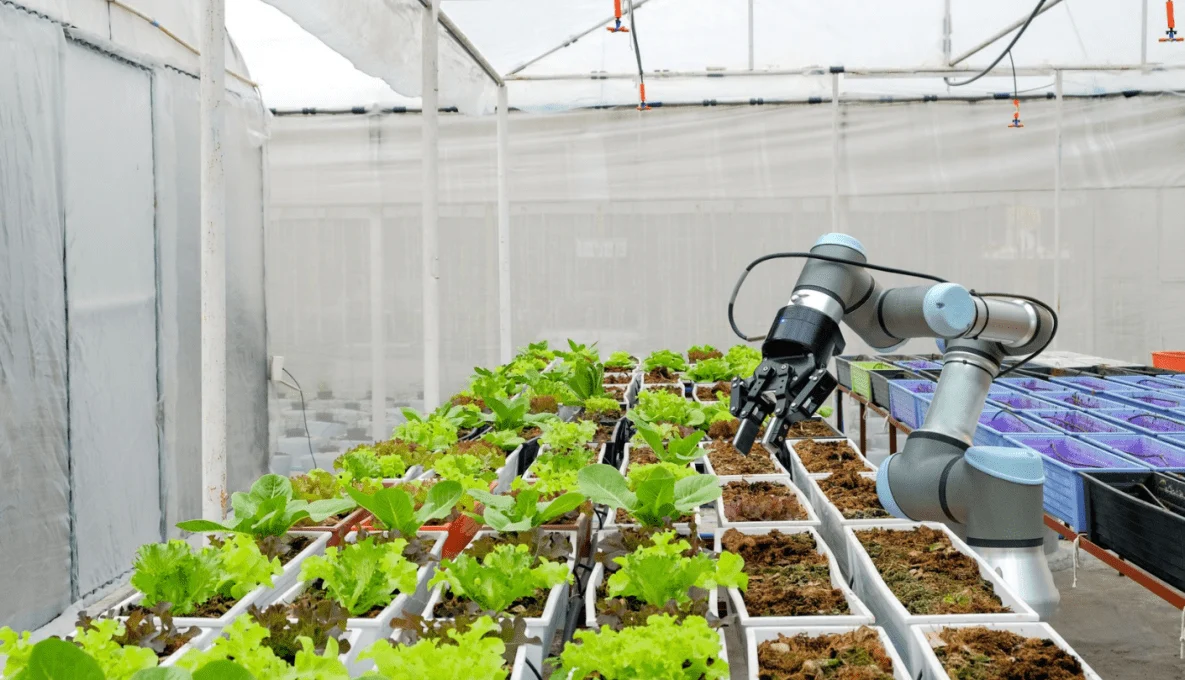
Drones and satellite imagery now provide accurate real-time data on actual sown crop acreage. This helps in faster decision-making and transparency.
2. Crop Planning Software
Many farmers now use mobile apps to plan acreage based on profitability models, rainfall predictions, and historical yield data.
3. IoT and Sensors
In larger farms, sensors monitor soil health, moisture, and crop growth, enabling dynamic adjustments in acreage planning.
These advancements not only improve acreage accuracy but also reduce input waste and increase productivity per acre.
Crop Acreage and Climate Change
Climate change has a deep impact on crop acreage patterns. Rising temperatures, changing rainfall, and extreme weather events are forcing farmers to rethink what crops they grow and how much area they allocate.
- Shift in Sowing Seasons: Changing monsoon patterns delay sowing, reducing overall crop acreage.
- Heat Tolerance: Crops sensitive to heat are losing acreage to heat-resistant varieties or alternative crops.
- Water Scarcity: Drought-prone areas are seeing a drop in paddy or sugarcane acreage and an increase in coarse cereals.
Proactive climate-smart agriculture and policy support are crucial to protecting crop acreage from the adverse effects of global warming.
Regional Examples of Crop Acreage Variation
1. Punjab and Haryana
Traditionally rice and wheat heavy. However, due to water depletion, the government is promoting diversification into pulses and maize through incentives.
2. Maharashtra
Sugarcane dominates acreage in irrigated regions, while rain-fed areas grow cotton, jowar, and pulses.
3. Tamil Nadu
Paddy and horticulture crops share acreage based on irrigation from river projects. Micro-irrigation schemes are expanding acreage under vegetables.
4. Northeast States
Shifting cultivation practices still affect permanent crop acreage stability, although organic farming is slowly taking hold.
The Future of Crop Acreage Planning
Crop acreage planning will need to be more dynamic in the future due to:
- Rapid Urbanization: Loss of agricultural land due to city expansion will require optimized usage of available acreage.
- Rising Input Costs: Farmers will need to make every acre count by shifting toward efficient and high-yield crop models.
- Export-Driven Agriculture: Crop acreage may increase for globally demanded products like spices, medicinal herbs, or oilseeds.
- Sustainable Practices: Soil health, biodiversity, and regenerative farming will influence how much land is allocated and to what crops.
Governments, researchers, and farmers must collaborate to create flexible acreage strategies that balance food production, income, and environmental needs.
Conclusion
Crop acreage is more than just a number. It reflects the priorities of a nation, the choices of a farmer, and the direction of food systems. Whether you are planning a farm, creating a policy, or analyzing agricultural trends, understanding crop acreage helps you stay grounded in the realities of modern farming. With the right planning, data, and sustainable focus, crop acreage can support both productivity and resilience in the face of a rapidly changing world.