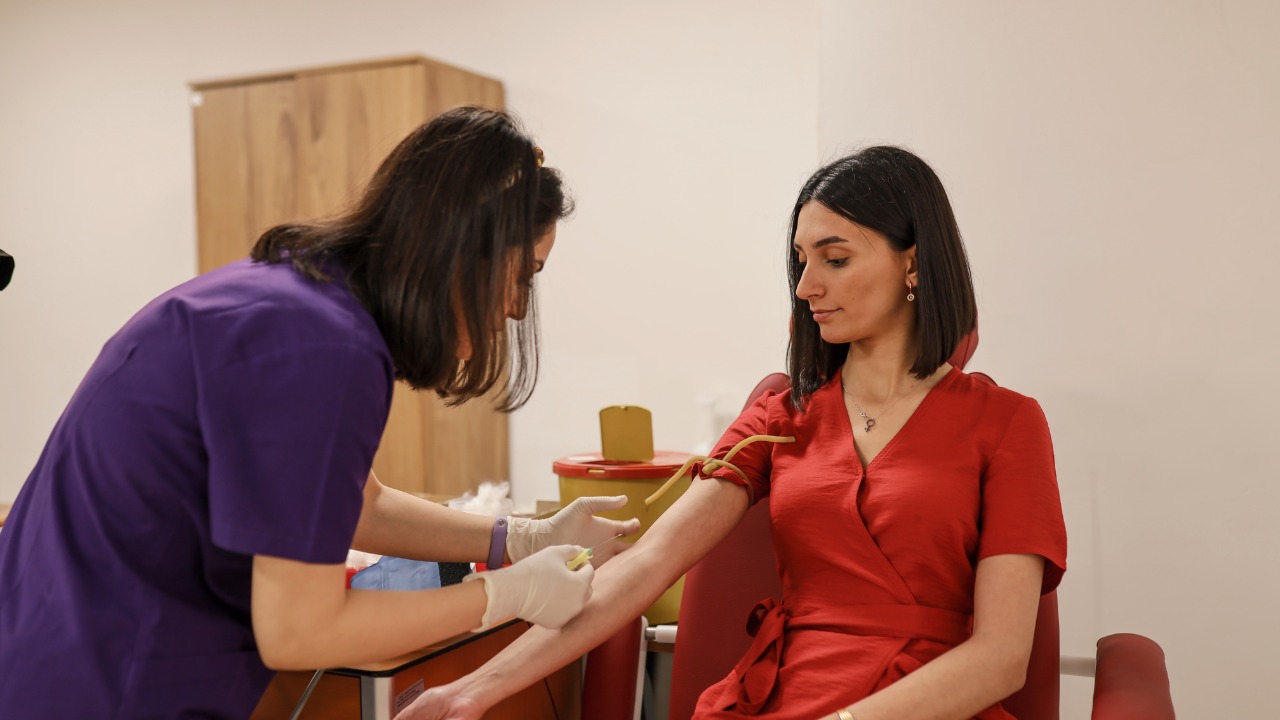
Comprehensive Guide to Blood Test in Bangalore
Getting a blood test is a crucial step in monitoring and maintaining your health. Whether you’re managing a chronic condition or undergoing routine health check-ups, blood tests provide essential insights into your body’s overall well-being. If you’re looking for a convenient and reliable blood test in Bangalore, here’s everything you need to know.
Why Blood Tests Are Essential for Health Monitoring
Blood tests play a pivotal role in diagnosing, monitoring, and preventing numerous health issues. They provide critical data that doctors use to evaluate organ function, detect diseases, and assess overall health. Let’s explore why regular blood tests are so important.
Early Detection of Diseases
Regular blood tests can help in the early detection of diseases such as diabetes, anemia, infections, and even some cancers. Early diagnosis often leads to better treatment outcomes and improved quality of life.
Monitoring Chronic Conditions
If you’re managing chronic conditions like diabetes, hypertension, or thyroid disorders, blood tests are indispensable. They help monitor your progress, ensuring that treatments and medications are effective.
Evaluating Nutritional Deficiencies
Blood tests can reveal deficiencies in vitamins, minerals, and other essential nutrients. Addressing these deficiencies promptly can prevent related health problems.
Types of Blood Tests Available
There are various types of blood tests, each serving a specific purpose. Below is a list of the most commonly conducted tests and their significance.
Complete Blood Count (CBC)
The CBC is one of the most common tests, providing information about red blood cells, white blood cells, hemoglobin, and platelets. It helps diagnose conditions like anemia, infections, and blood disorders.
Lipid Profile
A lipid profile measures cholesterol and triglyceride levels, helping assess heart health and risk of cardiovascular diseases.
Blood Glucose Test
This test measures blood sugar levels and is essential for diagnosing and monitoring diabetes.
Thyroid Function Test
This test evaluates the functioning of your thyroid gland, helping diagnose hypothyroidism or hyperthyroidism.
Liver Function Test (LFT)
An LFT assesses liver health by measuring levels of proteins, enzymes, and bilirubin in the blood.
Kidney Function Test
This test evaluates how well your kidneys are working by analyzing creatinine and urea levels.
How to Prepare for a Blood Test
Preparing for a blood test is simple but essential to ensure accurate results. Here are some tips to follow:
Fasting Requirements
Some blood tests, such as lipid profiles and blood glucose tests, require fasting for 8-12 hours. Follow your doctor’s instructions carefully.
Medications
Inform your healthcare provider about any medications you’re taking, as some drugs can affect test results.
Hydration
Stay hydrated before your blood test, as dehydration can make it harder to draw blood.
Avoid Certain Activities
Avoid alcohol, smoking, and strenuous exercise for at least 24 hours before the test to ensure accurate readings.
Advantages of Home Sample Collection for Blood Tests
In today’s fast-paced world, home sample collection services have made blood testing more convenient than ever. Here are some benefits of opting for this service:
Convenience and Comfort
You can schedule a blood test from the comfort of your home without having to visit a diagnostic center.
Time-Saving
Home sample collection saves time by eliminating the need to travel and wait in long queues.
Professional Services
Trained professionals ensure a hygienic and painless experience during the sample collection process.
Choosing the Right Diagnostic Center
Selecting a trustworthy diagnostic center is crucial for accurate and timely blood test results. Here are some factors to consider:
Accreditation
Ensure that the diagnostic center is accredited by a recognized healthcare authority.
Technology and Equipment
Choose a center that uses advanced technology and equipment for accurate testing.
Qualified Staff
The presence of trained and certified technicians and pathologists is essential.
Customer Reviews
Check online reviews and ratings to gauge the quality of services offered.
What to Expect During a Blood Test
Understanding what happens during a blood test can help ease any anxiety you may have. Here’s a step-by-step guide:
Step 1: Registration
You’ll be asked to provide your details and the test prescription.
Step 2: Sample Collection
A healthcare professional will clean the area, usually your arm, and draw blood using a sterile needle.
Step 3: Post-Collection Care
A small bandage is applied to the puncture site, and you’re advised to rest briefly if you feel lightheaded.
Step 4: Results
The collected sample is sent to a lab for analysis, and you can expect the results within a few hours to a few days.
Common Myths About Blood Tests
Myth 1: Blood Tests Are Always Painful
Fact: With skilled professionals, blood tests are minimally painful, often described as a slight pinch.
Myth 2: Fasting Is Always Necessary
Fact: Not all blood tests require fasting; it depends on the type of test prescribed.
Myth 3: One Test Covers Everything
Fact: Different tests are designed for specific purposes. Consult your doctor to determine which tests are necessary.
Final Thoughts
A blood test is an essential tool for assessing and maintaining your health. By opting for reliable services and staying informed about your health needs, you can take proactive steps toward a healthier life. Remember, early detection is key to effective treatment and better outcomes.
FAQs
1. What is the purpose of a lipid profile test?
A lipid profile test measures cholesterol and triglyceride levels to assess the risk of cardiovascular diseases.
2. How often should I get a blood test?
The frequency of blood tests depends on your age, health condition, and medical history. Consult your doctor for personalized advice.
3. Can I drink water before a fasting blood test?
Yes, drinking water is generally allowed and even encouraged before a fasting blood test to stay hydrated.
4. What should I do if I feel dizzy after a blood test?
If you feel dizzy, sit or lie down until you feel better. Inform the healthcare provider if the dizziness persists.
5. Are blood tests safe for children?
Yes, blood tests are safe for children when conducted by trained professionals in a controlled environment.
6. How long does it take to get blood test results?
The time varies depending on the type of test, ranging from a few hours to a couple of days.
7. Can I take medications before a blood test?
Inform your doctor about any medications you’re taking. They will advise whether to continue or pause them before the test.
8. Is home sample collection hygienic?
Yes, reputable diagnostic centers follow strict hygiene protocols during home sample collection.
9. What is the difference between CBC and a comprehensive metabolic panel?
CBC evaluates blood cell counts, while a comprehensive metabolic panel assesses organ function and electrolyte levels.
10. Can stress affect blood test results?
Yes, stress can impact certain test results, such as blood pressure and cortisol levels. Try to remain calm before the test.