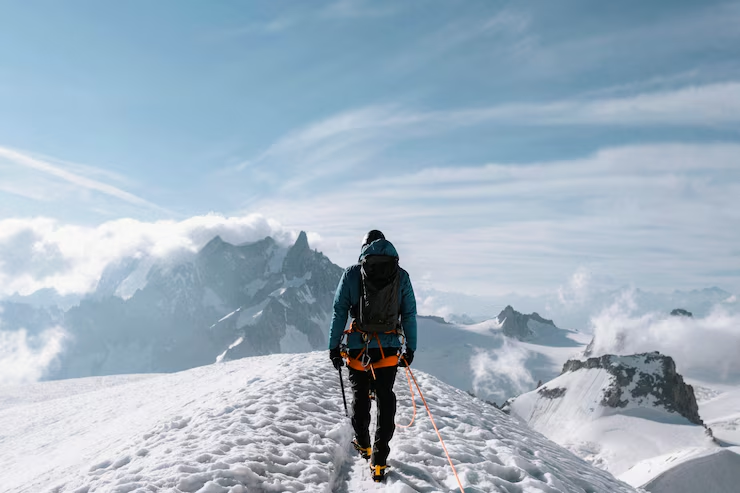
Introduction to the Everest Base Camp Trek
The Everest Base Camp Trek is more than a journey—it’s a dream carved into the soul of every passionate trekker. Nestled in the majestic Himalayas, this iconic trek takes you to the foothills of the world’s highest peak, Mount Everest (8,848.86 m). With awe-inspiring landscapes, ancient Sherpa culture, vibrant monasteries, and breathtaking high-altitude trails, it offers a once-in-a-lifetime adventure that few places on Earth can rival.
Where Does the Everest Base Camp Trek Begin?
The trek typically starts from Lukla, a small but bustling town with one of the most adrenaline-charged airports in the world. A 30–40-minute scenic flight from Kathmandu drops you in the heart of the Khumbu region. From here, the trek winds its way through Namche Bazaar, Tengboche, Dingboche, Lobuche, and finally Gorakshep, before reaching the legendary Everest Base Camp (5,364 m).
Everest Base Camp Trekking Route Overview
Total Distance: Approximately 130 km round trip
Duration: Typically 12 to 14 days
Max Elevation: Kala Patthar – 5,545 m
Difficulty Level: Moderate to Challenging
Daily Highlights Include:
- Day 1: Flight to Lukla, trek to Phakding (2,610 m)
- Day 2: Trek to Namche Bazaar (3,440 m) – the Sherpa capital
- Day 3: Acclimatization in Namche, hike to Everest View Hotel
- Day 4: Trek to Tengboche (3,860 m), visit the historic monastery
- Day 5: Trek to Dingboche (4,410 m)
- Day 6: Acclimatization hike to Nangkartshang Peak
- Day 7: Trek to Lobuche (4,910 m)
- Day 8: Reach Everest Base Camp, overnight at Gorakshep
- Day 9: Sunrise hike to Kala Patthar, descend to Pheriche
- Day 10–12: Return trek to Lukla via Namche Bazaar
What Makes Everest Base Camp Trek Unique?
1. Unparalleled Mountain Scenery
The trek grants panoramic views of Ama Dablam, Lhotse, Nuptse, and of course, Mount Everest itself. The beauty becomes more surreal each day as trekkers ascend further into the high Himalayas.
2. Sherpa Culture and Monasteries
Experience the warm hospitality of the Sherpa people, learn about their deep-rooted Buddhist traditions, and visit ancient monasteries like Tengboche Monastery, which offer spiritual peace amidst the raw power of nature.
3. Acclimatization and High Altitude Challenges
Altitude sickness is a real concern on this trek. With proper acclimatization days built into the itinerary, trekkers not only adapt to the elevation but also enjoy breathtaking side hikes that offer better views than the main trail.
4. Kala Patthar: The Best Viewpoint of Everest
While Everest Base Camp offers a sense of triumph and proximity to Everest, Kala Patthar gives the most iconic, unobstructed view of the peak itself. The sunrise here is nothing short of heavenly.
Best Time for Everest Base Camp Trek
The ideal seasons to undertake the Everest Base Camp Trek are:
- Spring (March to May): Rhododendrons bloom and skies are crystal clear.
- Autumn (September to November): Pleasant temperatures and great visibility.
- Winter (December to February): Fewer crowds, but harsh cold and snow.
- Monsoon (June to August): Not recommended due to heavy rainfall and landslides.
Permits and Documentation Required
To trek in the Everest region, you’ll need:
- Sagarmatha National Park Permit – NPR 3,000 (for foreigners)
- Khumbu Pasang Lhamu Rural Municipality Entry Permit – NPR 2,000
- TIMS Card (Trekkers’ Information Management System) – Depending on whether you go solo or with an agency
Accommodation and Meals
You’ll find teahouses and lodges at every stop, offering twin-sharing rooms with basic amenities. Expect:
- Rooms: Wooden interiors, warm blankets, sometimes attached bathrooms
- Meals: Dal Bhat, noodles, pasta, momo, fried rice, Sherpa stew, and more
- Drinks: Ginger tea, mint tea, coffee, and filtered water (purification tablets recommended)
Physical Fitness and Preparation
This trek demands good physical conditioning. Cardiovascular endurance, leg strength, and mental resilience are key. Recommended preparation includes:
- 3–6 months of hiking practice with a loaded backpack
- Strength and endurance workouts
- Altitude acclimatization hikes (if available locally)
- Knowledge of AMS (Acute Mountain Sickness) symptoms and remedies
Everest Base Camp Trek Cost Breakdown
The cost varies depending on your style (guided vs solo). Here’s a rough breakdown for a guided 14-day trek:
| Expense | Approx. Cost (USD) |
|---|---|
| Roundtrip flight (Kathmandu-Lukla) | $350–$400 |
| Permits | $50–$60 |
| Guide & Porter | $300–$500 |
| Food and Accommodation | $25–$40/day |
| Gear Rental (if needed) | $100–$200 |
| Total Estimated Cost | $1,200–$1,500 |
Luxury treks and helicopter return options can raise this to over $3,000.
Essential Trekking Gear
- Backpack (50–65L)
- Sleeping bag (rated -10°C or lower)
- Thermal layers, fleece jacket, waterproof jacket/pants
- Hiking boots (broken-in)
- Trekking poles, gloves, sunglasses, sun hat
- Water purification tablets and snacks
- First aid kit with altitude meds
Why Choose a Guided Trek?
Hiring a guide ensures:
- Better safety and navigation
- Cultural insight and communication with locals
- Emergency management and altitude sickness handling
- Stress-free logistics (permits, bookings, flights)
Conclusion: Is Everest Base Camp Trek Worth It?
Absolutely. The Everest Base Camp Trek is a spiritual and physical triumph, rewarding you with memories that last a lifetime. Standing at the base of Everest, surrounded by giants and prayer flags, is a moment that few words can describe. For adventure seekers, cultural enthusiasts, and mountain lovers alike, this trek is the ultimate Himalayan experience.