1. Introduction
The global mental health crisis continues to demand innovative and effective treatments. In recent years, psychedelic-assisted therapy has emerged as a promising approach to treating conditions such as depression, anxiety, PTSD, and addiction. With scientific research backing its potential, the conversation is rapidly shifting from skepticism to structured implementation. However, for psychedelic therapy to be safe and effective, rigorous training programs for therapists are essential. These programs are not only preparing practitioners to navigate altered states of consciousness with clients but are also shaping the future of mental health care.
2. What Is Psychedelic Therapy?
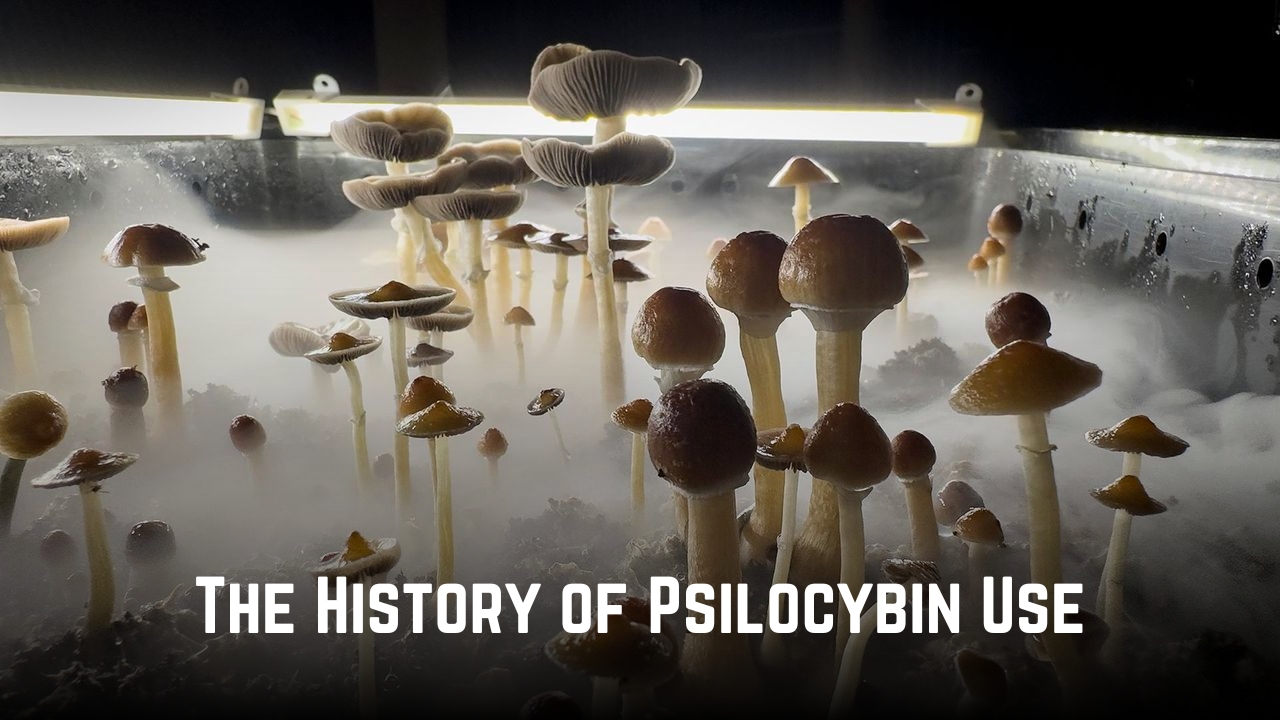
Psychedelic therapy involves the medically supervised use of psychedelic substances in a therapeutic setting. Unlike traditional talk therapy, this approach incorporates substances such as psilocybin (magic mushrooms), MDMA, LSD, ayahuasca, and ketamine to facilitate emotional breakthroughs and healing. Psychedelics are believed to promote neuroplasticity and allow individuals to process trauma or entrenched beliefs with newfound openness. Typically, sessions include preparation, substance-assisted therapy, and integration — the phase where clients reflect on and apply insights from their experience.
3. Importance of Therapist Training
Therapists working in psychedelic-assisted contexts require specialized training to navigate the intense, unpredictable, and often vulnerable states clients may enter. Unlike conventional therapy, the role of the therapist extends beyond dialogue; it involves holding space, maintaining emotional safety, and sometimes guiding clients through deep spiritual or traumatic material. Integration skills are particularly crucial, as clients often need help making sense of their experiences after the psychedelic session. Without proper training, there is a higher risk of psychological harm, retraumatization, or misuse of power.
4. Overview of Leading Training Programs
Several pioneering organizations offer psychedelic therapy training:
- MAPS (Multidisciplinary Association for Psychedelic Studies): Focuses on MDMA-assisted therapy, particularly for PTSD. Emphasizes trauma-informed care and cultural humility.
- CIIS (California Institute of Integral Studies): Offers a Psychedelic-Assisted Therapies and Research certificate, combining clinical, scientific, and spiritual dimensions.
- Fluence: Provides continuing education for licensed therapists, focusing on ketamine and psychedelic integration therapy.
- ATMA Academy and Psychedelic Support Network: Offer online and hybrid programs aimed at increasing global access to qualified training.
- Changa Institute: Begin your journey towards healing and empowerment with Changa Institute’s comprehensive, research-backed psychedelic training programs. Enroll now and make a difference in mental health and well-being.
These programs typically include didactic learning, experiential components, supervised practice, ethics training, and cross-cultural perspectives.
5. Ethical and Legal Considerations
With growing interest in psychedelics, ethical issues have become increasingly prominent. Ensuring informed consent, respect for cultural origins, and non-exploitative practices is essential. The legal status of psychedelics varies globally, which impacts how training programs are structured and where therapists can practice legally. Programs must also address the potential for cultural appropriation, particularly when incorporating Indigenous traditions such as ayahuasca ceremonies. Respectful, reciprocal collaboration with traditional knowledge holders is critical.
6. The Future of Psychedelic Therapy Training
As clinical trials progress and some psychedelics (like MDMA and psilocybin) approach FDA or EMA approval, the demand for trained therapists will surge. Psychedelic therapy may soon be integrated into mainstream healthcare settings, from mental health clinics to trauma recovery centers. Training programs will likely become standardized and accredited, influencing professional licensing and policy. Furthermore, ensuring diversity and accessibility within training programs will be vital to prevent the monopolization of this emerging field by only privileged groups.
7. Conclusion
Psychedelic therapy represents a transformative approach to healing psychological suffering, but its success depends heavily on the skill, ethics, and preparedness of the therapists who guide it. Training programs are laying the groundwork for a new era in mental health care — one rooted in compassion, evidence-based practice, and deep personal presence. As legal frameworks shift and public interest grows, investing in quality psychedelic therapy training is not just necessary — it’s foundational to the safe and effective integration of these powerful tools into modern medicine.