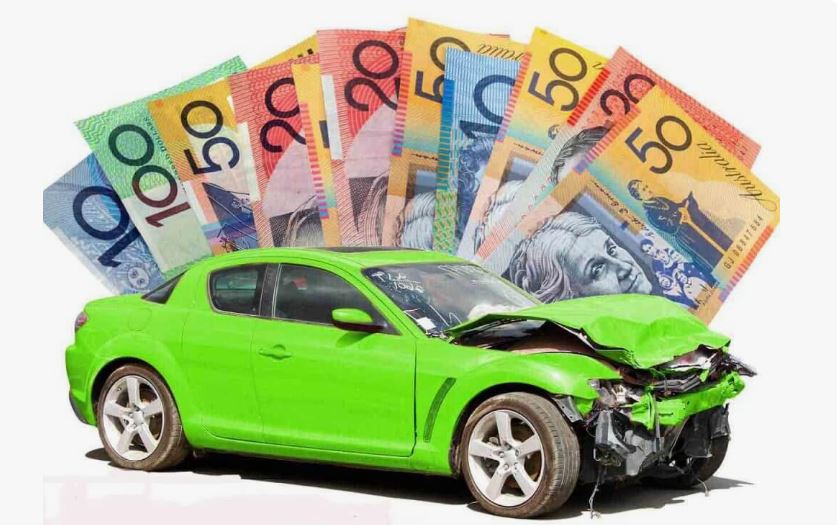
Have you ever wondered what happens to your vehicle after you sell it for cash? Whether you’re upgrading to a new ride or simply clearing out an old clunker, the process doesn’t end once the cash is in your hand. Understanding the journey your car takes after the sale can help you make more informed decisions and even ensure you’re dealing with a reputable buyer. Many people begin their search with terms like “Cash For Cars Near Me”, hoping for a quick, convenient, and reliable solution—but what happens after the tow truck drives off?
The Initial Assessment
Once you’ve sold your vehicle, typically to a cash-for-cars service, it undergoes an initial assessment at the buyer’s yard. During this stage, professionals evaluate the car’s overall condition—both mechanically and aesthetically. This inspection helps determine the next steps: whether the car is suitable for resale, needs refurbishing, or is better off as scrap.
If the vehicle is in good shape, it may be cleaned, serviced, and listed for resale. These cars are usually sold at auctions, offered to used car dealerships, or sold to individual buyers.
Parts Salvaging and Recycling
If your car is not suitable for resale due to age or condition, it moves on to the dismantling process. Skilled mechanics begin by safely removing valuable or hazardous components like the battery, tires, fluids, and airbags. Afterward, reusable parts like the engine, transmission, and alternators are carefully removed and tested for resale.
These components can be sold in the aftermarket parts industry, which helps reduce waste and supports sustainable practices in auto repair. This process is especially valuable in extending the life of other vehicles that need reliable replacement parts.
Metal Recovery and Scrapping
Once all valuable parts are removed, the remaining shell of your car—primarily made of steel and aluminum—is sent to a scrap yard. Here, it is crushed, shredded, and processed for recycling. The metal can be melted down and reused to manufacture new vehicles, construction materials, and even household products.
This eco-friendly approach ensures that your car’s materials don’t end up as waste. Instead, they become part of a sustainable cycle that supports the economy and reduces the need for raw material extraction.
Environmental Considerations
Selling your car to a professional service also supports environmentally responsible disposal practices. Licensed auto recyclers must follow regulations when handling fluids like oil, brake fluid, and coolant. These substances are either safely disposed of or recycled.
When handled properly, this process helps reduce soil contamination, water pollution, and air emissions. So while you may think of your car as “just junk,” the way it’s disposed of can have a meaningful impact on the environment.
Regulatory Paperwork and Vehicle Deregistration
After the sale, the vehicle is typically deregistered with the local transportation authority. This is a crucial step that ensures you’re no longer liable for any future legal or financial responsibilities associated with the car.
Reputable buyers will often assist in handling the paperwork or guide you through the deregistration process. This step adds an extra layer of trust and peace of mind for sellers.
Export Opportunities
Sometimes, vehicles not suitable for local roads find new life in overseas markets. Cars that don’t meet domestic standards but still run well can be exported to countries with less stringent regulations. This route allows your vehicle to continue being useful while generating business for exporters and creating jobs in international auto markets.
Choosing the Right Buyer
It’s essential to work with a reliable and licensed buyer who follows proper procedures. Many reputable businesses can be found through a quick search for “cash for scrap cars Gold Coast”, but not all offer the same level of professionalism and transparency. Always check customer reviews, verify credentials, and ask about their process.
A trustworthy buyer will provide fair valuations, ensure environmentally safe disposal, and manage all necessary documentation. These qualities are key indicators of a business that values both its customers and its impact on the community.
Conclusion
Selling your car for cash is just the beginning of its next chapter. Whether it’s resold, dismantled, recycled, or even exported, your old vehicle has a significant role to play beyond your driveway. By understanding what happens after the sale, you can feel confident that your decision supports not just your wallet, but the broader goals of sustainability, safety, and responsibility.
So next time you’re thinking of parting ways with your car, remember—it’s not just about the cash; it’s about choosing a process that reflects your values.