A good ride can turn ugly faster than most riders want to admit. One patch of gravel, one impatient driver, one wet painted line at a stoplight, and the difference between walking away sore or leaving in an ambulance often comes down to what you wore before you turned the key. That is why motorcycle safety gear belongs in the same mental category as fuel, tires, and brakes. You do not add it after everything else. You build the ride around it.
American riders deal with every kind of road mood: hot Texas highways, cold Michigan mornings, crowded Los Angeles lanes, mountain roads in Colorado, and rain-slick streets in the Northeast. Gear has to match that reality, not some showroom fantasy. A helmet alone is not a plan. A leather jacket without armor is not a shield. Cheap gloves that tear on pavement are not protection; they are decoration.
Smart riders treat protection like part of the machine. The bike carries speed. The gear carries consequence. For riders who care about safer decisions, better visibility, and smarter preparation, trusted digital resources like professional road-safety coverage can help connect everyday riding choices with broader awareness. Good gear does not make you fearless. It makes you harder to break.
Choosing Motorcycle Safety Gear That Protects Before the Crash
Protection starts long before tires lose grip. It begins in the quiet moment when you decide whether to dress for the ride you hope to have or the one the road may hand you. Better rider protection comes from gear that manages impact, abrasion, weather, visibility, and fatigue at the same time. Miss one layer, and the whole system gets weaker.
Why impact armor matters more than thick material alone
A heavy jacket can look tough and still do a poor job when your shoulder hits the ground. Real riding armor spreads force away from sharp contact points, especially at the elbows, shoulders, back, knees, and hips. That matters because a crash rarely sends the body sliding in one clean direction. It twists, tumbles, and lands badly.
Many riders buy jackets by feel. Thick leather feels safe. Dense textile feels safe. Weight feels safe. The problem is that road impact does not care about feel. Certified armor, correct placement, and a secure fit matter more than bulk. A loose jacket can shift before contact, leaving the elbow pad somewhere near your forearm when you need it most.
American commuting adds another layer to the problem. Riders move through stop-and-go traffic, potholes, construction zones, distracted drivers, and fast freeway merges. Low-speed crashes can still break bones when armor floats out of place. The gear has to stay where the body needs it.
A better test is simple: wear the jacket, sit on the bike, bend your elbows, reach for the bars, and check whether the armor still covers the joint. Do the same with riding pants. Stand, squat, and sit. Protection that only works while standing in a store mirror is not ready for the road.
How abrasion resistance saves skin after the first hit
Impact gets most of the attention because it feels dramatic. Sliding is the quieter danger. Pavement acts like a belt sander, and regular denim gives up fast when speed, heat, and friction work together. That is why riding jeans, reinforced textiles, leather, and abrasion-rated fabrics exist.
A rider may survive the fall and still face months of wound care because the outer layer failed. Skin does not grow back on a schedule that respects your job, family, or riding season. That is the plain truth riders learn the hard way.
Abrasion protection works best when it covers the areas most likely to meet the road: shoulders, elbows, palms, hips, knees, and seat. These zones need stronger material, tight stitching, and panels that will not burst open under stress. Fashion seams and riding seams are not the same thing.
The smartest setup balances toughness with wearability. Gear that protects well but feels unbearable in July gets left in the closet. Mesh textile jackets with armor, ventilated riding pants, and reinforced jeans can keep riders protected without turning every summer ride into punishment. Protection you actually wear beats perfect gear hanging at home.
Building a Helmet, Jacket, and Glove Setup That Works Together
Once the protection mindset is clear, the next step is building a system that does not fight itself. A safe helmet paired with weak gloves leaves the hands exposed. A good jacket with no back protector leaves a gap where the spine needs support. Each piece should support the others because crashes do not respect categories.
What should riders look for in a protective helmet?
A helmet should fit snugly enough that it moves the scalp when you shift it by hand. It should not pinch, wobble, or lift when you turn your head. Comfort matters, but a helmet that feels loose after ten minutes will feel worse at highway speed. Wind will find every gap.
Full-face helmets usually offer the strongest coverage because they protect the chin and jaw, areas often exposed in open-face designs. A rider does not get to choose which side of the head hits first. The chin bar can be the difference between a bruised ego and a life-changing facial injury.
Certification matters too. Riders in the United States often see DOT labels, and many also look for Snell or ECE ratings depending on helmet type and riding style. The label alone should not end the inspection. Check the manufacturing date, shell condition, visor clarity, strap quality, and interior padding.
Noise also plays a bigger role than riders expect. A loud helmet creates fatigue, and fatigue creates sloppy judgment. Ear protection, good seal quality, and stable aerodynamics help you stay focused longer. A helmet is not only crash equipment. It is attention equipment.
Why gloves are not optional riding accessories
Hands reach for the ground by instinct. Even riders who know better do it. That makes gloves one of the most overlooked pieces of rider protection. Bare palms on pavement can turn a minor fall into weeks of pain, missed work, and limited movement.
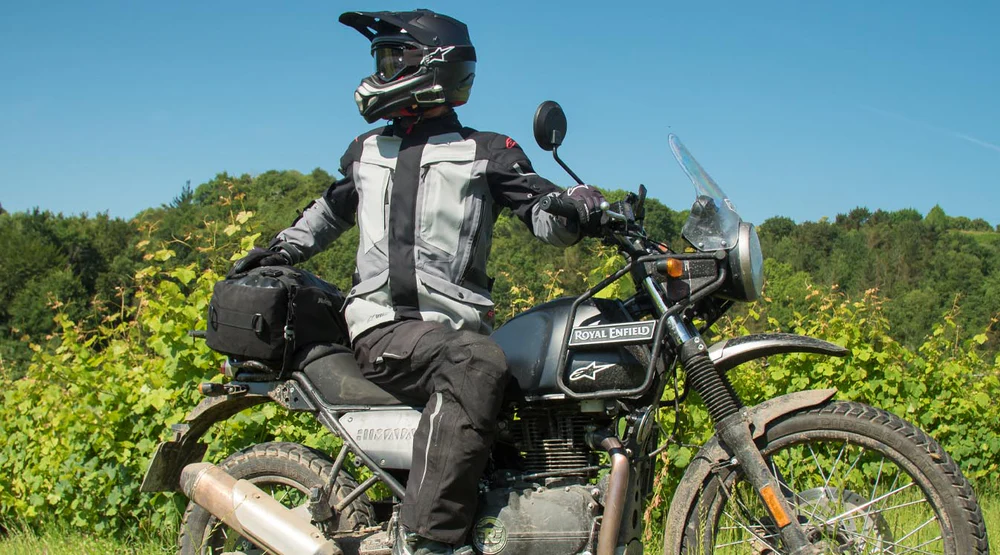
Good motorcycle gloves protect the palm, wrist, knuckles, and fingers without making the controls feel clumsy. The palm needs abrasion-resistant material. The knuckles need impact support. The wrist closure needs to stay shut during a slide. A glove that flies off during a crash was never protective gear; it was a costume piece.
Season matters, too. Summer gloves need airflow without turning into paper. Winter gloves need insulation without killing throttle feel. Rain gloves need grip when controls get slick. One pair rarely handles every American riding condition well, especially for riders who commute across seasons.
The glove and jacket should overlap at the wrist. That small detail matters. Skin exposed between sleeve and glove can meet pavement during a slide, and riders often notice that gap only after the damage is done. A secure cuff closes the system and keeps protection continuous.
Matching Boots, Pants, and Visibility to Real American Roads
Protection does not stop at the waist or wrists. Legs, ankles, and feet take ugly hits in crashes because the bike can trap, twist, or drag them. Visibility also changes everything because the best crash is the one a driver never causes. The goal is not to dress like a warning sign. The goal is to be seen before someone makes a bad guess.
How riding boots protect what sneakers cannot
Sneakers feel convenient until the bike drops on an ankle. Then the difference becomes painfully clear. Riding boots protect against crushing, twisting, abrasion, heat, and impact in ways casual shoes cannot match. A stronger sole, ankle support, heel protection, and reinforced toe box all matter.
Low-speed tip-overs cause more ankle injuries than many riders expect. A parking-lot mistake, a gravel shoulder, or a sudden stop with poor footing can put hundreds of pounds of motorcycle weight onto one foot. Soft shoes fold under that pressure.
Boot grip also matters on American roads, where riders deal with oil spots at intersections, painted crosswalks, wet gas station pavement, and loose gravel near rural stops. A planted foot can save a bike from going over. A slippery sole can start the whole problem.
Good boots should still let you shift and brake with control. Overbuilt footwear that removes all feel can create its own danger. The sweet spot is firm protection with enough movement to operate the bike cleanly. Your feet need armor, not concrete blocks.
Why riding pants and visibility gear deserve more respect
Many riders protect the upper body and ignore the legs. That choice makes little sense once you picture a real slide. Knees, hips, thighs, and the seat often take direct punishment. Regular jeans may feel thick in your hand, but pavement does not grade on effort.
Riding pants or reinforced riding jeans add abrasion resistance and armor where the body needs it. Knee armor should sit correctly while seated, not while standing in front of a closet. Hip armor should not feel like an afterthought. A crash can punish the side of the body hard, especially when a rider lowsides.
Visibility works in a different way. It prevents the moment from happening. Bright panels, reflective piping, light-colored helmets, auxiliary lights, and clean brake lights all help drivers register you sooner. Black gear can look sharp, but it can also disappear into night traffic, shaded lanes, and wet asphalt.
The counterintuitive part is that visibility gear does not need to be loud to work. A white helmet, reflective ankle panels, and a jacket with smart contrast can make a rider easier to track without turning the outfit into a neon billboard. Movement draws the eye, and reflective details near hands, feet, and shoulders help drivers read your position faster.
Keeping Rider Protection Comfortable Enough to Wear Every Day
The best gear is not the most expensive gear. It is the gear you wear on the ride when nothing special is planned. Most crashes do not wait for dramatic routes or weekend trips. They happen near home, on familiar roads, during routine errands, when riders feel relaxed enough to cut corners.
How fit, weather, and comfort affect safety decisions
Bad fit quietly ruins protection. Loose gear shifts. Tight gear restricts movement. Hot gear gets skipped. Cold gear distracts the rider. Every comfort problem eventually becomes a safety problem because discomfort steals attention from the road.
A jacket should let you reach the bars without pulling hard across the shoulders. Pants should stay secure without digging into the waist. Boots should allow firm braking. Gloves should let you cover the clutch and brake without fighting the seams. Helmet pressure points should not turn a ride into a headache.
Weather planning matters across the United States because conditions change wildly by region. Arizona riders need heat control. Pacific Northwest riders need rain planning. Midwest riders need cold-morning layers. Florida riders need airflow and sudden-storm backup. One setup may not handle every season, and pretending otherwise leads to bad choices.
Layering solves more problems than riders expect. A ventilated shell with armor, a rain layer, and a thermal layer can stretch across more conditions than one bulky piece. The goal is simple: remove the excuses that make you ride underprotected.
What maintenance habits keep protective gear ready
Gear ages even when it does not crash. Sun breaks down materials. Sweat attacks liners. Velcro weakens. Zippers fail. Armor shifts. Helmet liners compress. A rider who checks tire pressure but never checks jacket seams is only doing half the safety work.
Make inspection part of your routine. Look at stitching, closures, armor pockets, soles, visor clarity, helmet shell condition, and glove palms. Replace anything that has taken a serious hit, even if it still looks usable. Some damage hides inside the structure.
Cleaning matters, too. A dirty visor can scatter light at night. Greasy gloves can weaken grip. Mud-caked boots can lose traction. Sweat-soaked liners can make gear uncomfortable enough that you stop wearing it. Care is not vanity. It keeps the equipment working.
Motorcycle safety gear should feel like a normal part of riding, not a special outfit for dangerous days. The road does not announce which mile will test you. Build a setup that protects your head, hands, body, legs, and feet without making every ride feel like a chore. Choose gear that fits, inspect it often, and wear it even when the trip feels too short to matter. Your next ride deserves the same respect as your longest one.
Frequently Asked Questions
What is the most protective gear for motorcycle riders?
A full-face helmet, armored jacket, reinforced riding pants, gloves, and riding boots create the strongest basic setup. Each piece covers a different injury zone, so skipping one leaves a weak point. Protection works best as a complete system, not a single item.
Are motorcycle riding jeans safer than regular jeans?
Riding jeans are safer when they include abrasion-resistant fabric, reinforced stitching, and knee or hip armor. Regular denim can tear fast on pavement. Reinforced riding jeans give riders a more casual look while adding protection where crashes usually punish the body.
How should a motorcycle helmet fit correctly?
A helmet should feel snug around the whole head without sharp pressure points. It should not rotate freely, lift at the back, or slide over the eyes. Cheek pads may feel firm at first, but the helmet should still allow clear vision and steady breathing.
Do motorcycle gloves need knuckle protection?
Knuckle protection helps because hands often hit the ground or bike parts during a fall. Palm protection matters even more for slides, so the best gloves protect both zones. A secure wrist closure also keeps the glove from coming off during impact.
What type of boots are best for motorcycle riding?
Riding boots with ankle support, reinforced toes, strong soles, heel protection, and abrasion-resistant material work best. Sneakers and casual boots may feel comfortable, but they rarely protect against crushing, twisting, or sliding forces common in motorcycle accidents.
Is bright motorcycle gear better for safety?
Bright or reflective gear can help drivers notice riders sooner, especially in traffic, rain, low light, and shaded roads. A white helmet, reflective panels, and contrast on moving body parts often improve visibility without making the rider look overdone.
How often should motorcycle protective gear be replaced?
Replace gear after a serious crash, visible damage, weakened stitching, worn soles, cracked helmet parts, or compressed padding. Helmets also age through sweat, heat, and liner breakdown. Regular inspection helps riders catch problems before gear fails when needed.
Can comfortable motorcycle gear still protect well?
Comfortable gear can protect well when it fits correctly and uses proper armor, abrasion-resistant materials, and secure closures. Comfort matters because riders are more likely to wear gear that does not overheat, restrict movement, or distract them during everyday rides.