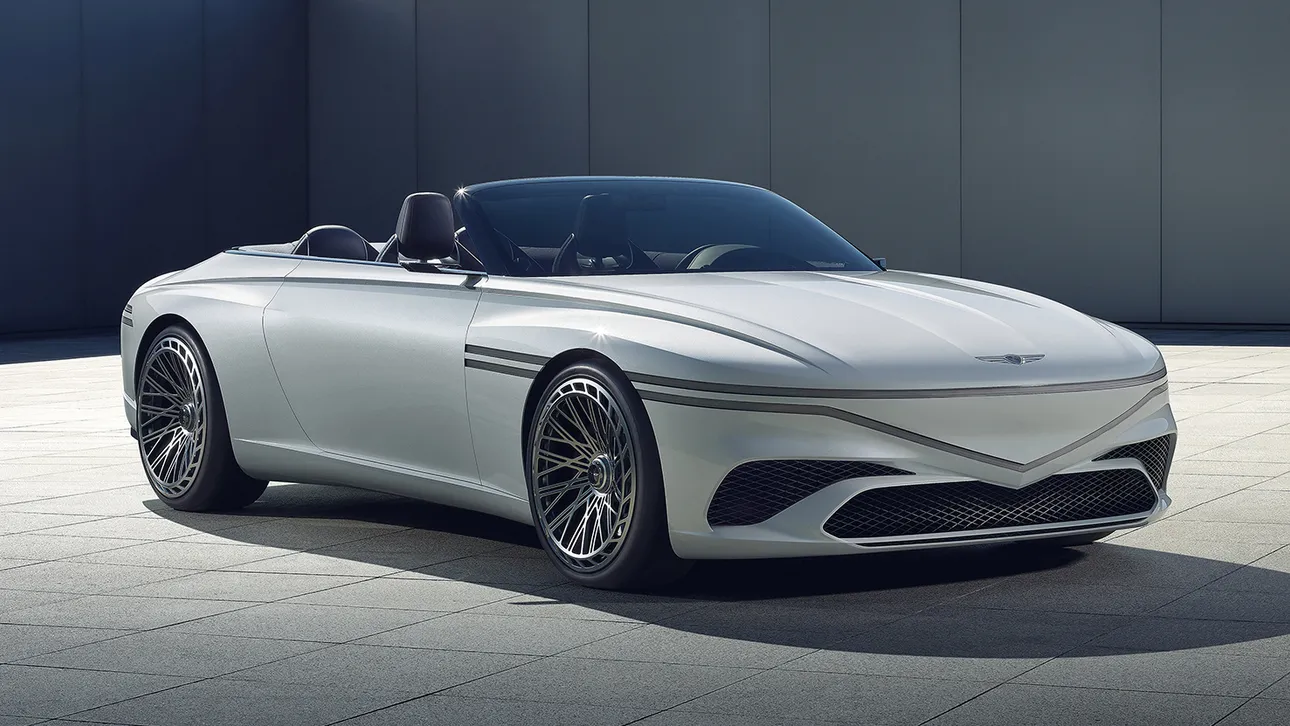
A convertible changes the whole mood of a drive before the engine even warms up. The roof drops, the cabin opens, and the road feels less like a route and more like a small escape from the normal day. That is why Convertible Car Features matter more than most buyers expect. The right ones decide whether your sunny weekend drive feels relaxed and sharp or noisy, cramped, and tiring after twenty minutes.
For American drivers, the appeal is easy to understand. A coastal run in California, a fall drive through Vermont, a warm evening cruise in Florida, or a mountain road outside Denver all feel better when the car works with the weather instead of fighting it. Style matters, yes, but comfort, safety, storage, and cabin control matter even more. Drivers who follow smart automotive buying advice from trusted resources like modern vehicle ownership guides know the best convertible is not the flashiest one on the lot. It is the one that makes open-roof driving feel natural, usable, and worth repeating.
Convertible Car Features That Make Open Roof Driving Feel Effortless
A convertible can look stunning in a driveway and still disappoint on the road. The difference usually shows up in the small features buyers ignore during the first test drive. Roof speed, cabin airflow, seat support, visibility, and sound control shape the daily experience far more than chrome trim or a dramatic paint color.
Power Roof Systems That Fit Real American Driving
A good power roof should feel calm, quick, and dependable. Nobody wants to sit awkwardly in a parking lot while the roof creaks through a slow folding routine. The best systems open and close smoothly, work at low speeds, and lock into place without making the driver second-guess anything.
This matters more in the USA because weather changes fast across many regions. A driver in Georgia may leave home under bright sun and meet a sudden storm ten miles later. Someone in Arizona may want the roof down early in the morning but closed by noon when heat turns sharp. A roof system that responds quickly gives the car a more useful personality.
Hardtops bring better insulation and stronger theft resistance, while soft tops often save weight and preserve the classic convertible look. Neither choice wins for every driver. The better choice depends on where you park, how often you drive, and whether you care more about quiet highway manners or pure open-air charm.
Wind Control That Keeps the Cabin Comfortable
Wind sounds fun until it starts slapping your face, tangling hair, and turning every conversation into a shouting match. That is where smart wind control earns respect. A well-designed wind deflector, shaped windshield frame, and balanced side-window setup can make the cabin feel settled even when the roof is down.
The surprise is that less wind does not mean less fun. It often means more fun because you can stay out longer without feeling worn out. A convertible should let you enjoy the sky, not punish you for choosing it.
Good airflow control also helps passengers. Many convertibles feel great from the driver’s seat but rough in the rear seats. Families, couples, and weekend travelers should pay attention to how air moves through the whole cabin, not only the front row. A five-minute test drive will not reveal much. A longer drive at city and highway speeds tells the truth.
Comfort and Cabin Details for Stylish Open Air Driving
Once the roof is down, the cabin becomes part of the outside world. That changes everything. Materials heat up faster, sound moves differently, sunlight hits screens harder, and seats need to support the body without trapping heat. Stylish Open Air Driving depends on how well the cabin handles those conditions.
Seats That Support the Drive Without Feeling Stiff
Convertible seats need a careful balance. They must hold you during curves, support your back on longer trips, and still feel relaxed enough for casual cruising. Overly firm seats make the car feel sporty for ten minutes, then annoying for the rest of the drive.
Ventilated seats deserve special attention in warm states. Leather looks premium, but under direct summer sun it can turn harsh fast. Ventilation, breathable inserts, and lighter upholstery shades can make a convertible far easier to enjoy in Texas, Nevada, Florida, and Southern California.
Heated seats also matter more than many buyers think. A cool spring morning or late fall evening can still feel perfect with the roof down when the seat warms your back. That small comfort feature stretches convertible season beyond the obvious sunny days.
Interior Materials Built for Sun, Heat, and Dust
A convertible interior takes more abuse than a closed cabin. Sunlight fades weak materials. Dust settles faster. Sudden sprinkles can leave marks if trim and upholstery are not built to handle real use. A beautiful cabin that cannot tolerate outdoor exposure misses the point.
Look for UV-resistant surfaces, tight stitching, quality switchgear, and simple controls that remain easy to use under bright light. Glossy black panels may look sharp in photos, but they often show dust, fingerprints, and glare. Matte finishes usually age better in an open cabin.
Storage inside the cabin also matters. Phones, sunglasses, sunscreen, hats, and charging cables all need a place to go. A convertible may be about freedom, but clutter makes that freedom feel messy. The best interiors give you enough small storage spots without turning the cabin into a pile of loose items every time the roof drops.
Safety and Technology That Protect the Experience
Convertibles carry a carefree image, but the best ones take safety seriously. The open roof changes body structure, visibility, and rollover planning. Smart technology should support the driver quietly without making the car feel heavy-handed or distracting.
Structural Strength and Rollover Protection
A roof does more than block rain. In a regular car, it helps the body stay rigid. Convertibles need extra engineering in the floor, pillars, doors, and rear structure to make up for the missing fixed roof. That strength affects safety, but it also affects how the car feels over rough roads.
A weak convertible can shake over broken pavement. The steering may feel less precise, and the cabin may rattle sooner as the miles add up. This is why body rigidity should sit near the top of your checklist, even if it sounds like a boring spec-sheet detail.
Rollover protection is another serious point. Many modern convertibles use reinforced windshield frames, pop-up roll bars, or fixed protective structures behind the seats. These systems rarely get attention in glossy ads, but they matter when the unexpected happens. Beauty is welcome. Protection is non-negotiable.
Driver Assistance That Works With the Car, Not Against It
Driver assistance features should reduce stress without dulling the joy of driving. Blind-spot monitoring is especially useful because convertible roof mechanisms and rear deck shapes can limit rear visibility. Rear cross-traffic alert helps in crowded parking lots where low-slung cars can be harder to see around SUVs and trucks.
Adaptive cruise control can make highway trips easier, but it should feel smooth rather than nervous. Lane keeping systems should guide, not tug. A convertible already offers a more sensory drive, so overactive alerts can ruin the mood fast.
Screen visibility deserves its own mention. Bright sun can wash out weak displays, especially when the roof is down. Physical buttons for climate, volume, and roof controls still make sense because touchscreens can become harder to use in glare. The best tech respects the setting instead of pretending every drive happens under perfect showroom lighting.
Performance, Storage, and Daily Use Beyond the Weekend
A convertible should not feel like a toy you borrow from your own garage. The best models bring enough performance, cargo planning, fuel sense, and road manners to fit real life. Weekend charm is easy. Daily livability takes better design.
Engines and Handling That Match the Car’s Personality
Not every convertible needs huge horsepower. Some of the most enjoyable open-roof cars feel light, balanced, and eager at normal speeds. When the roof is down, sensation increases. A car does not need to be wild to feel alive.
That said, the engine should match your driving habits. Highway drivers may want stronger passing power. City drivers may care more about smooth low-speed response. Mountain-road drivers should look for steering feel, brake confidence, and body control rather than chasing the largest engine badge.
The counterintuitive truth is simple: too much power can make a convertible less relaxing. If every throttle input feels dramatic, the car may turn casual drives into work. A well-tuned engine, stable chassis, and predictable brakes often create more pleasure than raw speed alone.
Trunk Space, Roof Packaging, and Daily Practicality
Convertible storage is where many buyers get surprised. The roof has to go somewhere, and that often means the trunk pays the price. Some cars offer decent cargo space with the roof up but shrink sharply once it folds. Others keep a more consistent layout but sacrifice rear-seat room.
A smart buyer tests the trunk with actual life in mind. Golf bags, carry-on luggage, groceries, work bags, beach gear, or a small cooler should all be considered before purchase. A convertible that cannot carry your normal weekend items may become a car you admire more than you use.
Fuel economy, tire cost, insurance rates, and maintenance also deserve attention. Stylish cars can hide expensive ownership details behind a perfect first impression. The better move is to choose a model that fits your lifestyle after the excitement fades. Convertible Car Features should make ownership easier, not create a list of compromises you keep trying to forgive.
Conclusion
The right convertible does more than lower its roof. It changes how you relate to the drive itself. You notice the air, the road, the weather, and the small details that closed cabins tend to mute. That magic only lasts when the car has the right mix of comfort, structure, safety, storage, and control.
Buyers often get pulled toward the loudest design or the most dramatic badge. That is understandable, but it is not the smartest path. A great convertible should feel good on a Tuesday commute, a Saturday coastal road, and a cool evening drive home after dinner. When Convertible Car Features support those moments without fuss, the car becomes more than stylish. It becomes usable pleasure.
Before choosing one, spend time with the roof up and down, test the cabin at real speeds, check the trunk with real items, and pay attention to how your body feels after the drive. Pick the convertible that makes you want to keep driving after the planned route ends.
Frequently Asked Questions
What are the most important convertible car features for daily driving?
Roof operation, wind control, seat comfort, trunk space, visibility, and safety systems matter most for daily use. A convertible should feel easy in traffic, calm on highways, and practical enough for normal errands instead of feeling limited to weekend cruising.
Are hardtop convertibles better than soft top convertibles?
Hardtops usually offer better noise control, insulation, and security, while soft tops often weigh less and keep a more classic look. The better choice depends on climate, parking situation, budget, and whether you care more about comfort or traditional convertible character.
Do convertibles need special safety features?
Yes, convertibles benefit from reinforced body structures, strong windshield frames, rollover protection, blind-spot monitoring, and rear visibility aids. Since they lack a fixed roof, smart safety engineering plays a bigger role in both crash protection and everyday confidence.
How much trunk space should a convertible have?
Enough trunk space depends on how you plan to use the car. A weekend driver may only need room for small bags, while travelers need space for luggage with the roof folded. Always test cargo room with real items before buying.
Are convertibles comfortable for long road trips?
Many modern convertibles can handle long trips well when they have supportive seats, strong wind control, good climate systems, and quiet roof insulation. The key is testing comfort at highway speeds, not judging the car from a short city drive.
What convertible features help in hot weather?
Ventilated seats, light-colored upholstery, UV-resistant materials, strong air conditioning, and an easy roof system help most in hot weather. These features make summer driving more pleasant and reduce cabin heat when the car sits under direct sun.
Is a convertible practical for families?
Some four-seat convertibles can work for families, but rear-seat space, child-seat access, trunk room, and wind comfort need close inspection. Many convertibles look more spacious than they feel once passengers and everyday gear are inside.
What should I check during a convertible test drive?
Drive with the roof both up and down, test wind noise, check visibility, try the roof controls, inspect trunk space, and watch for body shake over rough roads. A proper test drive should reveal how the car behaves in real conditions, not showroom conditions.