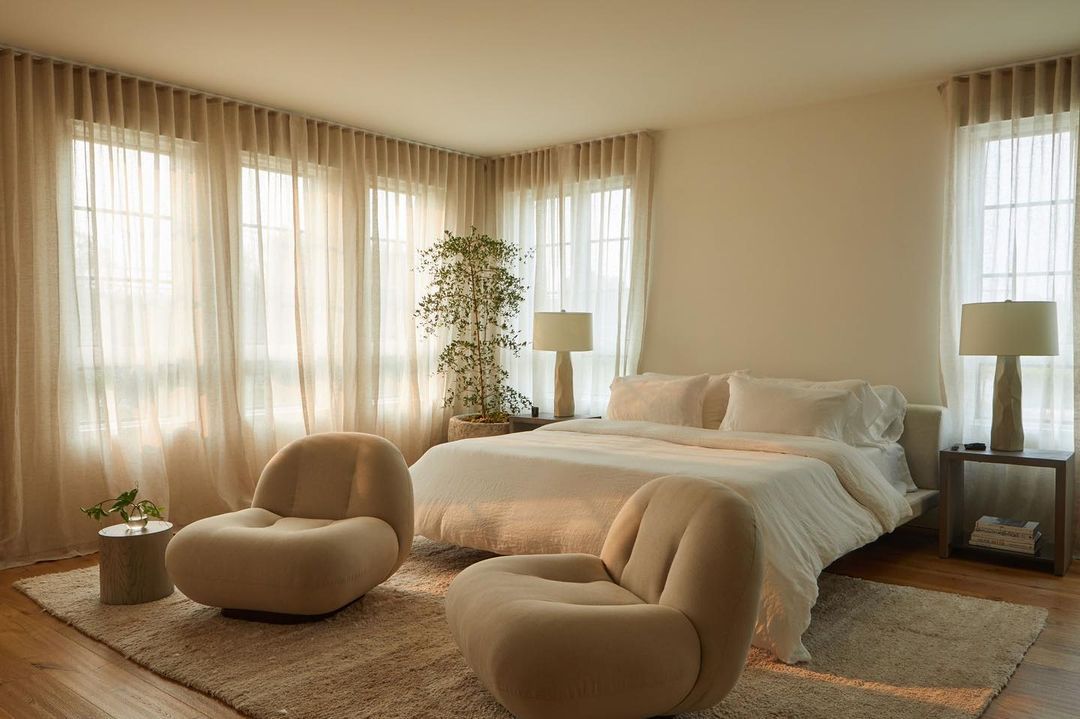
A bedroom can look expensive and still feel tense. The real test is not whether the room photographs well, but whether your shoulders drop the moment you walk in. That is where relaxing bedroom choices matter most: the color on the wall, the weight of the bedding, the landing place for your phone, the lamp you reach for at night, and the quiet order of the room before sleep. Across American homes, bedrooms have become more than sleeping areas. They are recovery zones after long commutes, hybrid workdays, late family routines, and screen-heavy evenings. Good design should meet that pressure with calm, not more noise. A room that supports rest does not need a magazine budget, either. It needs honest choices, edited layers, and a clear sense of how you live. Even browsing trusted home improvement ideas can help you notice one truth fast: comfort comes from decisions that serve the body first and the eye second.
Building a Room That Feels Calm Before It Looks Finished
A bedroom loses its peace when every surface tries to perform. The bed has too many pillows, the dresser becomes a drop zone, the walls carry art that was bought to fill space, and the lighting feels either harsh or useless. Calm starts when you stop decorating for approval and begin shaping the room around daily relief.
Why Cozy Bedroom Design Starts With Restraint
Cozy bedroom design is often mistaken for adding more. More throws, more candles, more prints, more baskets, more layers. That approach can work in a cabin, a guest cottage, or a large primary suite with room to breathe, but in many U.S. homes and apartments, too much softness quickly becomes visual clutter.
The better move is to choose fewer pieces with stronger purpose. One textured blanket at the foot of the bed can do more than five decorative pillows you throw on the floor every night. A wood nightstand with one lamp, one book, and one small tray can feel warmer than a crowded surface full of objects competing for attention.
This is where the room begins to exhale. You are not stripping it bare. You are giving every item enough space to matter. A bedroom should not make you manage it constantly. It should meet you halfway when you are tired, distracted, or carrying the weight of the day.
How Relaxing Bedroom Ideas Work in Real Homes
Relaxing bedroom ideas need to respect the way American homes actually function. Many bedrooms are not grand retreats. They are shared by couples with different routines, used by parents folding laundry at midnight, or tucked into apartments where storage is tight. A design plan that ignores those facts becomes fragile fast.
Start with the pressure points. If clothes pile up near the chair, the chair is not the problem. The room lacks a better landing zone. If the bedside table disappears under chargers, lip balm, receipts, and water bottles, the table needs drawers or a tray system. If the bed feels cold, the fabric mix may be wrong, not the size of the room.
A peaceful bedroom is built by removing friction. You should know where your things go without thinking. You should be able to dim the room without crossing it. You should feel the bed pulling you in, not reminding you of unfinished chores.
Choosing Color, Texture, and Light With a Softer Eye
Once the room has breathing space, the next layer is mood. Color, fabric, and lighting set the emotional temperature before furniture ever gets noticed. A good bedroom does not shout. It lowers the volume and lets your nervous system catch up.
What Calming Bedroom Colors Actually Do
Calming bedroom colors are not limited to pale gray and beige. In fact, those shades can feel flat when they lack warmth or texture. Soft clay, muted olive, warm ivory, dusty blue, mushroom, cream, and deep taupe can all create a restful base when the undertone fits the light in the room.
The secret is to test color at the hour you use the bedroom most. A shade that looks lovely at noon may turn cold under evening lamps. A north-facing room may need warmer walls. A bright southern bedroom can handle moodier tones without feeling closed in. Paint is never separate from light. They argue or they cooperate.
Calming bedroom colors also help your belongings make sense together. If your bedding, rug, curtains, and art all sit within a related palette, the room feels settled even when the bed is not perfectly made. That matters. Real life rarely looks staged at 7 a.m.
Why Soft Lighting Matters More Than a Bigger Bed
Soft lighting can save a room that expensive furniture cannot fix. Overhead lights are often too sharp for bedtime, especially in newer homes where recessed fixtures blast the room from above. That kind of light tells your brain to stay alert when your body needs permission to slow down.
Layer the room instead. A bedside lamp should be easy to reach and gentle enough for reading. A floor lamp can soften a dark corner. A plug-in wall sconce works well in small spaces where nightstands are narrow. Warm bulbs make skin, wood, fabric, and wall color feel kinder.
Texture finishes the job. Linen, cotton, wool, cane, wood, and matte ceramic absorb light in a way glossy surfaces rarely do. You do not need every texture at once. Two or three well-chosen materials can give the room depth without turning it into a showroom display.
Making Small Bedroom Styling Feel Intentional
Small rooms expose weak decisions. A bulky bed blocks the walking path, a dresser crowds the closet door, and one oversized print can make the wall feel heavy. Yet small bedrooms can feel deeply restful when every inch has a clear role. The room asks for discipline, not sacrifice.
How Small Bedroom Styling Wins Through Scale
Small bedroom styling begins with scale, and scale is not the same as size. A compact nightstand may still look wrong if the legs feel spindly beside a heavy bed. A slim dresser may still overpower the wall if the finish is too dark for the room. Pieces must relate to each other, not merely fit inside the floor plan.
Choose furniture that leaves visual air around it. Beds with raised legs can make the floor feel more open. Wall-mounted shelves can replace a second nightstand where space is tight. Curtains hung close to the ceiling can make a standard room feel taller, especially in older U.S. homes with modest ceiling heights.
The counterintuitive trick is to avoid making everything tiny. One larger rug under the bed usually feels calmer than two small runners. One strong piece of art can work better than several scattered frames. Small rooms need confidence. Timid choices often make them feel more cramped.
Where Storage Becomes Part of the Mood
Storage changes the emotional tone of a bedroom. A room with hidden clutter always feels slightly dishonest, even when the bedding looks perfect. You know the closet is fighting back. You know the basket is full. That quiet stress follows you into the room.
Use storage where habits already happen. A bench with a lift-up seat at the foot of the bed can hold extra blankets. Under-bed containers work best for out-of-season items, not daily pieces you need to dig out. Drawer dividers stop nightstands from becoming junk museums.
Small bedroom styling also benefits from visible boundaries. A tray on a dresser says, “These are the daily items.” A hook behind the door says, “This robe lives here.” A lidded basket says, “This is not décor; this is containment.” The room feels calmer because the rules are clear.
Personal Details That Make the Space Yours
A restful room should not feel anonymous. The mistake is thinking personal means crowded. The strongest bedrooms often carry fewer personal pieces, but each one has weight. A framed photo from a real trip, a handmade bowl, a quilt from family, or a print bought from a local artist can warm the room more than a dozen generic accents.
How Modern Bedroom Furniture Sets the Foundation
Modern bedroom furniture works best when it serves comfort without stealing the room’s identity. Clean lines, simple silhouettes, and quiet finishes give personal pieces room to speak. The furniture becomes the background rhythm, not the whole song.
Avoid buying a matching set without questioning it. A bed, dresser, mirror, and nightstands in the same finish can feel heavy and impersonal, especially in suburban homes where builder-grade rooms already lean uniform. Mixing one wood tone with painted furniture or upholstered texture often feels more collected.
Modern bedroom furniture should also fit your body. A bed height that makes sense, drawers that open easily, and nightstands that sit near mattress level all matter more than a trendy profile. Beauty loses its charm when the drawer sticks every morning.
What to Display, What to Let Go
Personal style grows stronger when you edit with honesty. Keep the pieces that bring a clear feeling into the room. Let go of items that stay only because you paid for them, received them as gifts, or feel guilty moving them elsewhere. Bedrooms punish guilt clutter faster than living rooms do.
Create one emotional anchor. It might be art above the bed, a textured headboard, a vintage lamp, or a chair covered in fabric you love. Let that piece guide the rest of the room. When everything tries to be special, nothing feels special.
This is also where cozy bedroom design returns in a more personal way. A room becomes restful when warmth has memory behind it. The blanket you reach for each winter, the book stack that reflects what you care about, the photo that still makes you pause—these details carry human weight.
Creating Daily Rituals Around a Relaxing Bedroom
A bedroom does not stay peaceful because it was styled once. It stays peaceful because the room supports small routines that repeat without much effort. That is the hidden power of design: it shapes behavior quietly.
How Relaxing Bedroom Ideas Support Better Evenings
Evening routines fail when the room fights them. If your charger sits across the bed, you scroll longer. If the laundry basket lives outside the room, clothes land on the floor. If the only light is overhead, you stay in bright-task mode until the second you try to sleep.
Design can interrupt that pattern. Put the charger away from arm’s reach if late scrolling steals sleep. Place a hamper where clothes actually fall. Keep a small dish for jewelry, glasses, or watches. Add a soft lamp near the door so you can enter the room without turning on harsh ceiling light.
These are not glamorous choices, but they change the room’s rhythm. A relaxing bedroom grows from repeated signals: lower light, fewer decisions, softer materials, cleaner surfaces, and one easy path toward rest.
Why the Morning View Matters Too
The first thing you see in the morning matters more than people admit. A pile of clutter can make the day feel behind before it begins. A clear surface, a good curtain, or a neatly folded throw can give your mind a calmer start.
Set the room up for the version of you who wakes up half-ready. Place slippers where your feet land. Keep the top drawer organized enough that dressing does not turn into a search. Let natural light enter in a controlled way with curtains or shades that protect privacy without making the room feel sealed off.
Modern bedroom furniture can support that morning ease when it offers order without bulk. A dresser with smooth drawers, a bench that helps with shoes, or a mirror placed where light is kind can make the room feel cooperative. That feeling lasts longer than any trend.
Conclusion
A bedroom should earn its beauty through the way it makes you feel at the end of a hard day and the beginning of a new one. Paint, lighting, furniture, storage, and personal objects all matter, but none of them should compete with the purpose of the room. Rest comes first. Style follows better when it has that discipline behind it. The most memorable spaces are not the ones packed with perfect accents. They are the ones where every choice seems to understand the person who lives there. That is the deeper promise of relaxing bedroom design: a private space that protects your energy instead of draining it. Start with one corner, one surface, or one habit that causes tension, then fix it with care. Build from there until the whole room feels easier to enter, easier to use, and harder to leave.
Frequently Asked Questions
What are the best bedroom decor ideas for a relaxing space?
Start with soft lighting, calm wall colors, breathable bedding, and fewer visible items. A relaxing space needs order, warmth, and comfort before decoration. Choose pieces that support sleep and daily routines instead of filling the room with accents that add visual noise.
How can I make a small bedroom feel more peaceful?
Use furniture with proper scale, keep the floor as open as possible, and store daily items near where you use them. One larger rug, tall curtains, and soft lamps can make a small bedroom feel more intentional without adding clutter.
Which colors work best for calming bedroom walls?
Warm ivory, muted green, dusty blue, clay, taupe, and soft beige often work well. The right choice depends on natural light. Test paint in the morning and evening before committing because bedroom colors shift under lamps and daylight.
How do I decorate a bedroom without making it look crowded?
Choose fewer items with stronger purpose. Keep surfaces edited, group small objects on trays, and avoid too many competing patterns. One meaningful artwork, one textured blanket, and one good lamp can create more impact than several unrelated pieces.
What furniture is best for a modern relaxing bedroom?
Look for simple beds, smooth dressers, practical nightstands, and pieces with clean lines. Comfort and proportion matter more than trends. Furniture should make the room easier to use, not turn it into a display area that feels stiff.
How can lighting improve bedroom comfort?
Layered lighting helps the room shift from daytime function to nighttime rest. Use warm bulbs, bedside lamps, floor lamps, or wall sconces instead of relying only on overhead light. Softer light makes the room feel calmer and easier on the eyes.
What should I avoid when styling a bedroom?
Avoid overcrowded surfaces, harsh lighting, oversized furniture, too many pillows, and décor bought only to fill empty space. These choices make a bedroom feel busy. The room should support rest, movement, and simple routines before visual drama.
How often should I refresh my bedroom decor?
Refresh small elements seasonally and review the full room once or twice a year. Bedding, lampshades, art placement, and storage habits may need updates as your routine changes. A bedroom works best when it keeps pace with your real life.