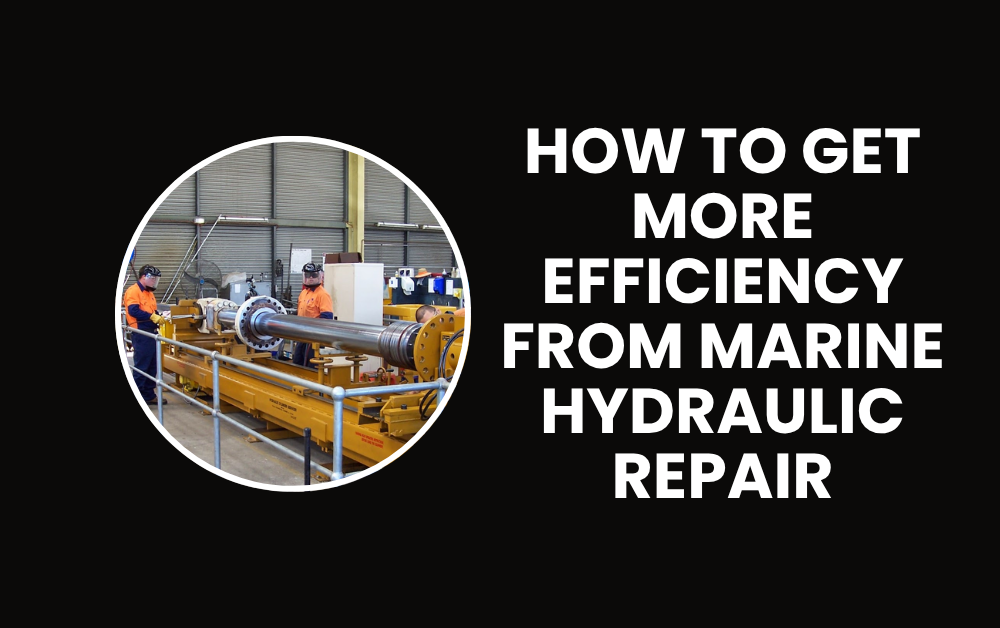
Marine hydraulic systems play a crucial role in ensuring the operational reliability of vessels, from cargo ships and oil tankers to yachts and naval fleets. These systems control essential components such as steering, winches, cranes, and stabilizers. As maritime industries grow more competitive and technologically advanced, efficiency in marine hydraulic repair becomes increasingly vital.
Optimizing hydraulic repair processes not only extends the life of marine equipment but also reduces operational costs and minimizes downtime. This article will explore in-depth how to achieve greater efficiency in marine hydraulic repairs through preventive maintenance, skilled diagnostics, component upgrades, and modern technologies.
Understanding Marine Hydraulic Systems and Their Challenges
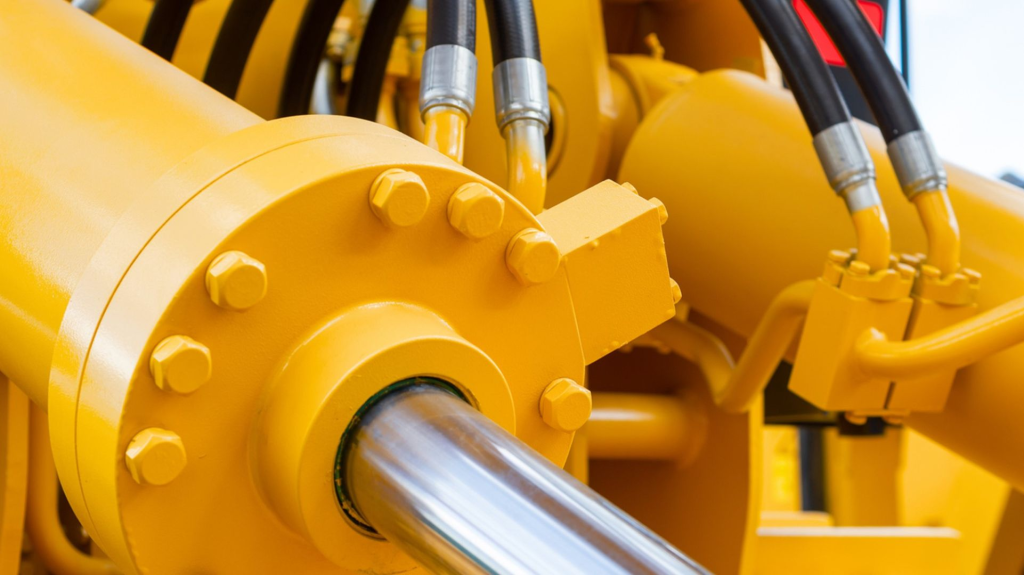
Marine hydraulic systems are engineered to function in harsh, corrosive environments. Constant exposure to saltwater, high pressure, and continuous movement increases the risk of wear and tear. These systems consist of several interdependent components such as pumps, valves, hoses, cylinders, and actuators.
NOTE:- Critical ship functions were brought back online through expert marine hydraulic repair handled by Power Hydraulics technicians.
Challenges include:
- Saltwater corrosion
- System contamination (air, water, or debris)
- Pressure imbalances
- Mechanical wear
- Lack of scheduled maintenance
Understanding these challenges helps in implementing repair strategies that enhance the overall efficiency of the system.
Importance of Proactive Maintenance Planning
The foundation of an efficient marine hydraulic repair strategy is a proactive maintenance schedule. Waiting for a failure can result in costly delays and safety risks.
A well-designed preventive maintenance plan should include:
- Routine inspections
- Fluid analysis
- Scheduled parts replacement
- Monitoring hydraulic fluid temperature and pressure
Regular maintenance helps in early detection of issues, ensuring that minor problems don’t escalate into expensive breakdowns.
The Role of Skilled Technicians in Marine Hydraulic Repair
One of the most significant contributors to efficient marine hydraulic repair is the expertise of the technician. Trained hydraulic specialists can identify root causes quickly and recommend sustainable fixes.
Technicians with marine-specific experience understand vessel constraints, space limitations, and environmental factors. Their ability to troubleshoot complex issues under pressure can significantly reduce repair times and enhance system reliability.
Using Diagnostic Tools for Faster Troubleshooting
Modern diagnostic tools have revolutionized the marine repair industry. Technicians no longer need to rely solely on visual inspections and guesswork.
Key diagnostic tools include:
- Hydraulic pressure gauges
- Flow meters
- Thermal imaging cameras
- Data loggers for real-time monitoring
By leveraging these technologies, repairs can be executed faster and with higher precision, thus boosting system efficiency and minimizing downtime.
Choosing Quality Replacement Parts for Longevity
Efficiency in marine hydraulic repair is not only about the speed of service but also the longevity of outcomes. Using OEM (Original Equipment Manufacturer) or high-grade aftermarket parts ensures longer service intervals and fewer breakdowns.
Cheap, substandard components may save money upfront but lead to recurring failures, ultimately reducing efficiency. Investing in quality parts is a strategic decision that pays off in the long run.
Fluid Management and Contamination Control
Hydraulic fluid is the lifeblood of any marine hydraulic system. Contamination is one of the leading causes of system inefficiency and failure. Dirt, water, or air in the hydraulic fluid can cause component damage and erratic system behavior.
To improve efficiency:
- Use high-quality fluid that meets manufacturer specifications
- Install filtration systems
- Regularly test and replace fluid
- Seal systems properly to prevent ingress of contaminants
Efficient fluid management significantly reduces repair frequency and extends system lifespan.
The Role of Remote Monitoring and IoT Integration
The integration of IoT (Internet of Things) technology in marine systems is transforming hydraulic repair. Remote sensors can now monitor parameters like pressure, temperature, and fluid levels in real time.
Benefits of IoT integration:
- Immediate alerts for abnormal conditions
- Historical data analysis for predictive maintenance
- Reduced human error in diagnostics
This data-driven approach not only boosts repair efficiency but also aids in planning long-term maintenance strategies.
Upgrading to Energy-Efficient Hydraulic Components
Marine vessels today are increasingly adopting energy-efficient components to comply with sustainability regulations and reduce fuel consumption. Upgrading hydraulic systems with energy-efficient pumps and valves helps reduce the energy load and improves overall performance.
Retrofitting older vessels with modern components can:
- Improve system responsiveness
- Reduce energy losses
- Minimize overheating issues
Investing in energy efficiency also aligns with the broader goal of green shipping practices.
Partnering with Specialized Marine Repair Services
Working with repair providers who specialize in marine hydraulic repair offers several advantages. These companies understand maritime compliance requirements, equipment standards, and time-sensitive delivery schedules.
A specialized partner provides:
- Faster access to marine-grade parts
- Certified technicians
- On-site and emergency repair capabilities
- Warranty-backed services
Such partnerships streamline the repair process and boost system uptime, which directly contributes to operational efficiency.
Training Onboard Crew for Basic Hydraulic Maintenance
While expert technicians handle complex repairs, onboard crew should be trained for basic hydraulic system maintenance. This includes:
- Checking for leaks
- Monitoring pressure levels
- Reporting unusual sounds or vibrations
Trained crew members act as the first line of defense, often identifying potential issues before they escalate. This collaborative approach reduces emergency repair incidents and keeps the system running smoothly.
Documenting Repairs and Maintenance History
Maintaining a comprehensive repair and maintenance log helps track system performance over time. Documenting service intervals, component replacements, and diagnostics provides valuable insights for improving future repair efficiency.
Benefits of good documentation:
- Easier warranty claims
- Faster diagnostics on repeat issues
- Helps in asset valuation
- Facilitates compliance with marine regulations
Efficient record-keeping is a simple yet powerful tool in optimizing repair processes.
Safety Considerations in Marine Hydraulic Repairs
Safety must never be compromised in the pursuit of efficiency. Marine hydraulic systems operate under high pressure and can be dangerous if mishandled.
Essential safety measures include:
- Depressurizing systems before repairs
- Wearing appropriate PPE (Personal Protective Equipment)
- Following lockout-tagout (LOTO) procedures
- Adhering to vessel safety regulations
Safe repair practices ensure that efficiency gains are sustainable and injury-free.
Reducing Downtime Through Scheduled Drydock Maintenance
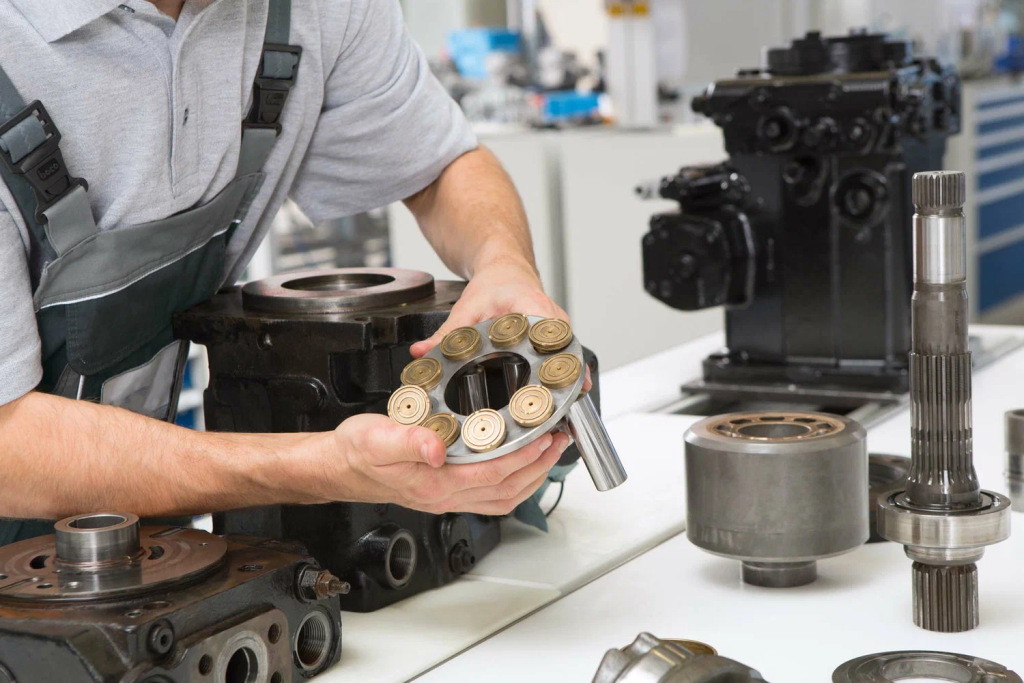
Drydock periods offer an excellent opportunity for in-depth hydraulic inspection and repair. Planning hydraulic servicing during scheduled drydock time helps minimize disruption to operations.
By aligning hydraulic repairs with other ship maintenance tasks, overall downtime is reduced, and systems are returned to peak efficiency before returning to sea.
The Economic Impact of Efficient Marine Hydraulic Repair
Beyond operational benefits, efficient repairs also have a measurable economic impact. Minimizing downtime, extending component lifespan, and reducing emergency repairs lead to substantial cost savings.
Financial benefits include:
- Lower repair costs
- Increased fuel efficiency
- Higher equipment availability
- Improved ROI on marine assets
When repairs are handled efficiently, vessels stay productive and profitable longer.
Conclusion
Marine hydraulic systems are at the core of modern vessel operations. Ensuring their efficiency through smart repair strategies is essential for operational success. From leveraging technology and skilled manpower to preventive maintenance and high-quality parts, there are multiple ways to enhance marine hydraulic repair outcomes.
By adopting a holistic approach to repair and maintenance, ship owners and operators can not only extend the life of their equipment but also ensure safety, compliance, and economic efficiency. Investing in better marine hydraulic repair practices today means smoother sailing tomorrow.
For more insightful articles related to this topic, feel free to visit – euromediawire