A bright white smile isn’t just a confidence booster, it’s often the first thing people notice. Whether you’ve just had teeth whitening in Norwich or have naturally white teeth, maintaining that sparkle requires more than brushing alone. Without proper care, everyday habits can dull your results, sometimes faster than you’d expect. In this article, we’ll explore simple, effective aftercare tips to help you maintain your white smile long after your whitening treatment, so you can get the most out of your investment and keep flashing those pearly whites with pride.
Why Do Teeth Lose Their Whiteness?
Even after a whitening treatment, teeth are vulnerable to stains. The enamel is porous and absorbs pigments from what we eat and drink. The top culprits include:

- Coffee and tea
- Red wine and cola
- Tomato-based sauces
- Berries and beetroot
- Tobacco products
These substances can penetrate the enamel over time, causing gradual discoloration. The good news is that smart aftercare practices can slow or even prevent this process.
1. Be Mindful of What You Eat and Drink
Right after a whitening treatment, your enamel is slightly more porous, making it more susceptible to staining. For the first 48 hours, dentists recommend sticking to a “white diet” of foods that are low in colour and acidity.
Recommended “White Diet” Foods:
- Chicken, turkey, white fish
- Rice, pasta (with white sauce)
- Cauliflower, potatoes
- Bananas, apples (peeled)
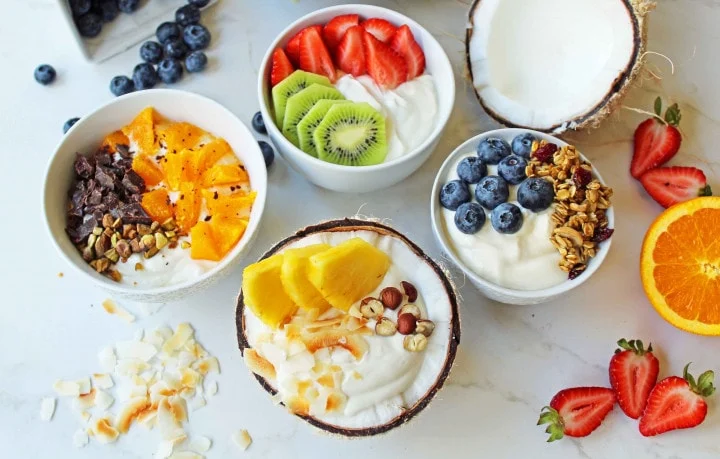
- Milk, yoghurt, white cheese
Avoid pigmented foods and drinks during this window. Even after the 48-hour period, it’s wise to reduce your intake of known staining agents. If you can’t give up coffee or red wine, use a straw and rinse your mouth afterward.
2. Don’t Skip Oral Hygiene
A good oral care routine is the cornerstone of maintaining a bright smile. It prevents plaque build-up, which can make your teeth look dull and yellow.
Daily Routine:
- Brush twice a day with a soft-bristled toothbrush
- Use whitening toothpaste a few times a week
- Floss once daily to remove food particles between teeth
- Rinse with a whitening mouthwash that’s alcohol-free
Whitening toothpastes are great for maintenance, but don’t use them excessively; they can be abrasive and wear down enamel if used daily. Moderation is key.
3. Schedule Regular Cleanings
Seeing a private dentist in Norwich every six months for a professional cleaning helps remove surface stains that brushing alone can’t tackle. Dental hygienists use tools and polishing techniques that brighten your smile and enhance oral health at the same time.
Regular check-ups also ensure any early signs of decay, gum disease, or enamel erosion are caught and treated before they affect your whitening results.
4. Avoid Smoking and Tobacco
There’s no sugar-coating it, smoking and using tobacco products are among the worst offenders when it comes to tooth staining. Nicotine and tar not only yellow the teeth but can turn them brown with time.
Beyond aesthetics, smoking is linked to:
- Gum disease
- Oral cancer
- Slower healing after dental work
If you’ve invested in whitening, now is a great time to quit tobacco for good. Your teeth and your whole body will thank you.
5. Drink Plenty of Water
Water acts as a natural cleanser for your teeth. It washes away food particles, acids, and sugars that can cause stains or erosion. Sipping water during meals can help minimise the staining effects of food and drink.
Try to make water your go-to beverage, especially after coffee, wine, or strongly coloured meals. Even a quick rinse with water can make a difference in protecting your enamel from pigmentation.
6. Use a Straw for Staining Drinks
While it might feel odd at first, using a straw for drinks like iced coffee, tea, or juices reduces contact with the front of your teeth, where stains are most noticeable.
Reusable metal or silicone straws are eco-friendly options that allow you to enjoy your favourite beverages with less risk to your white smile.
7. Touch-Up Treatments When Needed
Teeth whitening Norwich forever. Depending on your habits, diet, and natural tooth colour, results can last from 6 months to 2 years. Custom whitening trays from your dentist allow for easy at-home touch-ups when your teeth begin to fade slightly.
If you’ve had teeth whitening in Norwich through your dental clinic, ask if top-up gel is available for periodic use. These refreshers can extend your results and keep your smile consistently bright.
8. Consider a Whitening-Friendly Lifestyle
Sustaining your whitened teeth doesn’t mean living without your favourite foods, but small lifestyle tweaks can help. Here’s how to build habits that protect your smile:
- Limit dark beverages to one per day
- Chew sugar-free gum to stimulate saliva production
- Snack on raw veggies like carrots and celery, which help scrub away plaque naturally
- Avoid eating late at night without brushing afterwards
By making small changes, you protect both your whitening investment and your overall oral health.
9. Pay Attention to Tooth Sensitivity
It’s not uncommon to experience temporary sensitivity after whitening. While this usually fades, it can return if you use whitening toothpaste or overuse touch-up kits.
To manage sensitivity:
- Use sensitive toothpaste like Sensodyne
- Avoid extremely hot or cold foods
- Don’t brush immediately after acidic meals (wait 30 minutes)
If sensitivity persists, consult your private dentist in Norwich for advice tailored to your specific needs.
10. Be Consistent with Maintenance
The key to maintaining white teeth is consistency. It’s not about making drastic changes, but rather sticking to a routine that supports your oral health and discourages stains from settling in.
Write reminders, create a whitening-friendly grocery list, and stay on top of your appointments. A little discipline goes a long way in keeping your smile healthy and luminous.
Bonus: Natural Ways to Support Whiteness (Use with Caution)
Some people explore natural methods like baking soda or activated charcoal. While these can remove surface stains, they’re often abrasive and not recommended for regular use without dental supervision.

If you’re interested in alternative options, speak to your dentist first. They can advise on safe, effective treatments tailored to your dental condition and cosmetic goals.
Conclusion
Achieving a white smile is a significant step, but maintaining it is where the real value lies. With the right aftercare tips, a mindful lifestyle, and regular dental support, you can enjoy long-lasting results and avoid the disappointment of rapid re-staining. For expert guidance, touch-up kits, or professional cleanings, the team at EDN is here to support your smile journey. If you’re looking for a trusted private dentist in Norwich offering teeth whitening services, you’re in excellent hands.