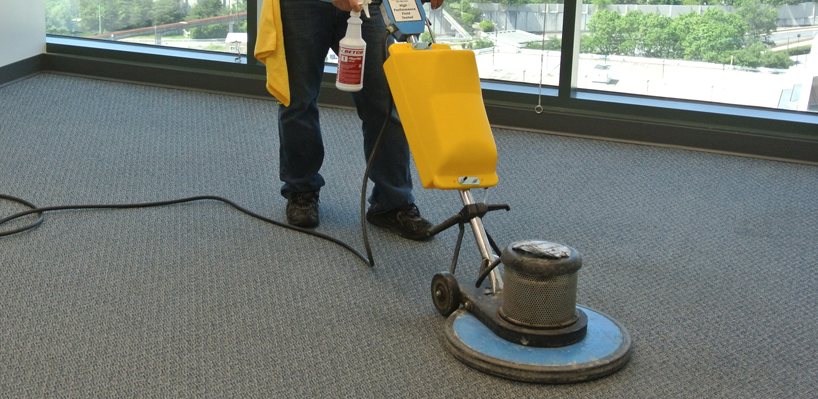
Cleanliness plays a vital role in the success and reputation of any business, especially in industrial settings where heavy foot traffic, machinery, and environmental factors create unique challenges. One of the most overlooked yet critical aspects of industrial hygiene is industrial carpet cleaning.
Whether you operate a warehouse, factory, manufacturing plant, or large-scale commercial space, understanding how often to clean your carpets professionally can improve air quality, extend carpet life, and ensure a healthier workplace. This article explores the factors that determine cleaning frequency, the benefits of regular cleaning, and industry-specific recommendations to help you stay ahead of grime and damage.
Why Industrial Carpet Cleaning Matters
Industrial environments are not like residential or standard office settings. Carpets in such areas face higher exposure to:
- Heavy foot traffic from employees and machinery
- Dust, dirt, oils, and chemical residues
- Spills and stains from manufacturing or storage processes
Ignoring carpet care in these settings can result in a buildup of grime that damages fibers, spreads allergens, and affects your facility’s professional appearance.
Professional industrial carpet cleaning are specifically designed to tackle these challenges, using advanced techniques and equipment to ensure deep sanitation and long-term preservation.
Factors That Influence Cleaning Frequency
There is no one-size-fits-all schedule when it comes to industrial carpet cleaning. Instead, several key factors determine how often you should schedule services:
1. Foot Traffic Volume
Facilities with more employees or customers will require more frequent cleanings. High-traffic zones such as entryways, hallways, and common areas gather dirt rapidly.
2. Type of Industry
Industries dealing with chemicals, food processing, or textiles may require cleaning more often than tech companies or logistics centres due to the nature of their residues.
3. Carpet Material
Low-pile carpets may resist wear better, while plush or specialty materials might show dirt more quickly and require special handling.
4. Environmental Conditions
Dusty regions or buildings near construction sites accumulate grime faster. Moisture-heavy environments also increase the risk of mould and mildew under carpets.
5. Health and Safety Regulations
Some industries, especially those dealing with food or medical supplies, must meet strict cleanliness codes, making routine cleaning non-negotiable.
General Guidelines for Scheduling
Based on the above factors, here are general recommendations for how frequently to schedule industrial carpet cleaning:
Warehouses & Logistics
Schedule a deep clean every 3–4 months to tackle heavy foot traffic and dust buildup.
✅ Manufacturing Facilities
Aim for a cleaning every 2–3 months to remove grease, debris, and operational grime.
✅ Food Processing Plants
Stick to a monthly or bi-monthly schedule to meet hygiene standards and prevent contamination.
✅ Tech Offices (Industrial)
Plan a professional clean every 4–6 months, especially in shared spaces and corridors.
✅ Pharmaceutical & Medical Facilities
Clean monthly or more frequently, depending on health regulations and compliance needs.
✅ Retail Showrooms
Opt for cleaning every 2 months—or sooner—if your space sees high customer foot traffic.
These are baseline figures. Your own schedule should be tailored based on inspections and consultation with cleaning professionals.
Signs That It’s Time to Clean
Even with a set schedule, it’s important to monitor your carpets for early signs that they may need professional attention sooner:
- Stains or discoloration that don’t come out with standard vacuuming
- Unpleasant odours lingering despite surface cleaning
- Visible debris or accumulation in carpet fibers
- Employee or customer complaints about indoor air quality
- Increased dust or allergens in the environment
When in doubt, it’s better to clean a little too early than too late, especially when employee health and facility reputation are on the line.
The Role of Industrial Steam Cleaning
One of the most effective methods for deep carpet sanitation is industrial steam cleaning. This technique uses high-temperature steam to loosen and extract dirt, bacteria, and allergens from deep within the carpet fibers.
Benefits of industrial steam cleaning include:
- Deep penetration: Reaches below the surface to remove embedded grime.
- Eco-friendly: Often uses little to no chemicals
- Quick drying: Modern equipment minimizes downtime.
- Sanitization: Effective in killing bacteria and neutralizing odours
Using industrial steam cleaning every few months alongside routine maintenance ensures carpets stay hygienic and extends their usable lifespan.
How to Build a Maintenance Schedule
Creating a carpet maintenance plan will help you stay proactive rather than reactive. Here’s a simple framework to guide you:
1. Assess Your Environment
Evaluate the number of people, type of work, and potential contaminants affecting your carpets.
2. Consult a Professional
Work with a cleaning provider that specializes in industrial settings. They can offer customized schedules and identify high-risk zones.
3. Use a Combination of Services
Routine vacuuming by your janitorial team combined with periodic deep cleaning (like industrial steam cleaning) gives the best results.
4. Track & Review
Maintain a cleaning log to monitor how well your schedule is working. If stains or odours reappear quickly, shorten the intervals between cleanings.
Budget Considerations
Some businesses hesitate to invest in regular carpet cleaning due to budget concerns. However, the long-term benefits usually outweigh the cost.
Here’s why:
- Cleaner carpets last longer, saving replacement costs.
- A sanitary environment improves employee morale and reduces sick days.
- First impressions matter—especially for clients and regulatory inspections.
View carpet care not just as a maintenance task but as a long-term business investment.
Seasonal Adjustments
Don’t forget to factor in seasonal changes. For example:
- Winter brings in salt, snow, and moisture—schedule more frequent cleanings.
- Spring and summer can kick up pollen and dust—consider an extra steam clean to reset the air quality.
- Fall might introduce more debris with falling leaves and rainy conditions—ideal for a pre-winter carpet refresh.
Seasonal planning helps you stay ahead of potential damage.
DIY vs. Professional Services
You might wonder whether your in-house janitorial staff can manage carpet cleaning themselves. While they are essential for daily maintenance, professional industrial carpet cleaning offers tools, products, and expertise that general cleaning staff do not.
Professional teams provide:
- High-capacity extractors
- Specialized stain removal solutions
- Industry-compliant disinfectants
- Faster and more effective results
For deep cleans and compliance-related needs, professionals are your best bet.
Environmental and Safety Considerations
Sustainability is a growing concern for businesses, and carpet cleaning is no exception. Look for providers that offer:
- Green-certified products
- Water-efficient equipment
- Non-toxic solutions that won’t affect indoor air quality
In industrial settings, always ensure that cleaning methods meet safety regulations and don’t interfere with your day-to-day operations.
Final Thoughts: Keep It Clean, Keep It Smart
So, how often should you schedule industrial carpet cleaning?
The short answer: It depends on your industry, traffic, and environmental conditions—but generally every 2–6 months.
Regular, professional cleaning not only keeps your space looking sharp but also improves employee well-being, extends carpet life, and ensures compliance with health standards. Combine scheduled deep cleaning with industrial steam cleaning for maximum effect, and always adapt your plan based on evolving needs.
By being proactive rather than reactive, you’ll avoid costly repairs, preserve your investment, and maintain a safer, more productive work environment.