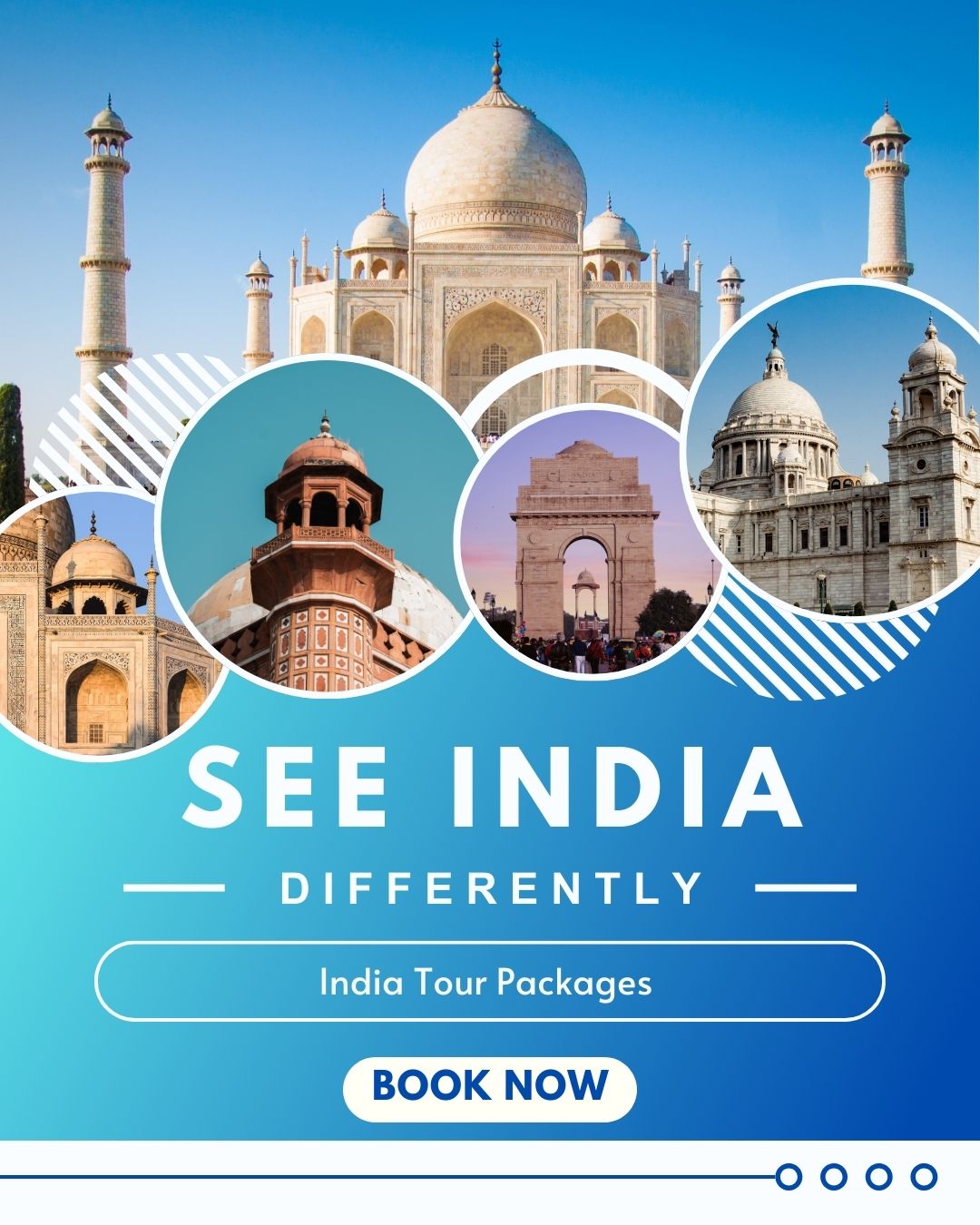
Introduction to India: A Land of Many Worlds
India is a country that feels like a continent. From Himalayan villages to coastal towns, and from desert forts to rainforest valleys, it holds a rare blend of geography, languages, customs, and history. This India travel guide covers the most authentic routes, cultural practices, food experiences, and planning tips you’ll actually need — not just to visit India, but to connect with it.
Understanding India Before You Arrive
Before stepping into India, it’s essential to understand how diverse it really is. India is not one homogenous culture—it is a patchwork of traditions and beliefs. Northern India is vastly different from the South in terms of food, language, attire, and even climate. In the East, tribal influences and Buddhist legacies shape the land. The West, particularly Rajasthan and Gujarat, carries a deep royal and artisan history.
India has 28 states, over 20 official languages, and hundreds of dialects. Hinduism, Islam, Christianity, Sikhism, Buddhism, and Jainism all have strong roots here. The coexistence of different belief systems and traditions is what gives India its texture.
Best Time to Travel to India
India experiences different climates across regions, but broadly:
- October to March is the most travel-friendly season. The weather is cooler and ideal for sightseeing across the plains and deserts.
- April to June is hot but suitable for exploring mountain areas like Himachal, Uttarakhand, Sikkim, or Ladakh.
- July to September is monsoon season. While some routes may be disrupted, lush landscapes in Kerala, Meghalaya, and Goa attract offbeat travelers.
Avoid planning a one-size-fits-all trip. The best time varies depending on your destination within India.
Entry Points and How to Plan Routes
Most international travelers enter through one of these cities:
- Delhi (North India gateway)
- Mumbai (West India entry point)
- Chennai (Southern India)
- Kolkata (Eastern India)
From these hubs, routes can be built as per your interests. Here are a few examples:
Cultural North India Circuit
- Delhi → Agra → Jaipur → Varanasi → Khajuraho
This route offers Mughal architecture, Hindu spiritual centers, and Rajasthani forts.
South India Route
- Chennai → Pondicherry → Madurai → Kerala (Alleppey or Munnar)
This circuit is famous for temples, French-Indian culture, Ayurveda, and backwaters.
Himalayan Retreat
- Rishikesh → Mussoorie → Dharamshala → Manali → Leh
Perfect for mountain lovers, spiritual seekers, or trekking enthusiasts.
India Travel Guide to Transportation
Getting around India is not difficult, but requires understanding a few modes:
Trains
India’s rail network is vast and reliable. Book in advance via IRCTC. For comfort, opt for AC Chair Car or AC 2-Tier for longer journeys.
Flights
For long-distance internal travel, budget airlines like Indigo, SpiceJet, and Air India Express are cost-effective and punctual.
Buses
Useful in places where trains don’t go. State-run and private operators serve major towns.
Autos and Taxis
Autos (rickshaws) are everywhere. Use prepaid taxis at airports. In cities, use apps like Ola or Uber.
Cultural Etiquette to Keep in Mind
This India travel guide would be incomplete without some ground-level etiquette:
- Dress modestly, especially in rural areas and religious sites.
- Remove shoes before entering temples or homes.
- Use your right hand for giving or eating.
- Avoid public display of affection.
- Respect local customs — even if you don’t fully understand them.
Indian people are generally warm and helpful, but it’s appreciated when tourists are culturally aware.
Street Food, Local Kitchens, and Regional Dishes
India is a food lover’s paradise. Each state offers a unique palette:
- Punjab: Butter chicken, parathas, lassi
- Kerala: Sadya meals, fish curry, coconut-based stews
- Gujarat: Dhokla, thepla, farsan
- Tamil Nadu: Idli, dosa, sambar
- West Bengal: Fish curry, mishti doi, rasgulla
- Rajasthan: Dal baati churma, kachori, gatte ki sabzi
Don’t limit yourself to restaurants. Try food from highway dhabas, small-town cafés, or home-cooked meals via homestays.
Cities vs Villages: Where to Go
India’s true character lies beyond big cities. While Delhi, Mumbai, and Bangalore are modern and fast-paced, villages offer a deeper look into Indian life.
Must-visit Cities
- Varanasi for spiritual energy
- Mumbai for urban chaos and creativity
- Kolkata for culture, literature, and colonial history
- Jaipur for architecture
- Mysore for royal history and calm
Memorable Rural Stops
- Spiti Valley for stark mountain life
- Hampi for ruins and quiet sunsets
- Ziro Valley in Arunachal for tribal traditions
- Rural Rajasthan for camel trails and heritage stays
- Wayanad in Kerala for forest homestays
Safety, Health, and Hygiene Tips
India is safe for tourists, but precautions are necessary.
- Stick to bottled water; avoid ice unless you’re sure it’s clean.
- Wash hands often or carry sanitizer.
- Eat at places with high footfall (a sign of freshness).
- Wear mosquito repellent in humid areas.
- Avoid isolated areas late at night unless you’re in a group.
- Register at your country’s embassy on arrival.
Solo female travelers should research women-friendly hostels, transport, and dress codes beforehand.
Local Markets, Handicrafts, and Ethical Shopping
India is known for its textiles, pottery, jewelry, spices, and art. Shop from government emporiums or artisan collectives whenever possible to support ethical trade.
Key Shopping Highlights
- Jaipur: Hand-block textiles, silverwork
- Kutch (Gujarat): Embroidery, leather, Ajrakh prints
- Kolkata: Handwoven saris, terracotta
- Kashmir: Pashmina, carpets
- Kerala: Spices, banana fiber products
Bargaining is common in local markets, but do it politely. Avoid buying wildlife products or anything that seems unethical.
Festivals Worth Planning Around
India runs on festivals. They’re loud, colorful, and deeply rooted in culture. Some are nationwide, others regional.
- Diwali (Oct-Nov): Festival of lights
- Holi (March): Festival of colors
- Durga Puja (Sept-Oct): Best seen in Kolkata
- Onam (August): Traditional Kerala festival
- Pushkar Camel Fair (Nov): Rajasthan desert event
- Hornbill Festival (Dec): Tribal fest in Nagaland
These events are not only celebrations but also windows into India’s heritage.
Budgeting and Currency Tips
India is generally affordable, but costs vary by location and travel style.
- Backpackers: ₹1000–1500 per day
- Mid-range: ₹3000–5000 per day
- Luxury: ₹8000+ per day
Use ATMs or get currency exchanged at reputed places. Carry some cash, especially in rural areas. Digital payments (like UPI, PayTM, Google Pay) are widely used in cities and towns.
Places You May Not Have Heard Of But Should Visit
This India travel guide encourages you to step beyond tourist clichés. Here are hidden gems worth the detour:
- Majuli Island (Assam): World’s largest river island
- Chopta (Uttarakhand): Mini Switzerland of India
- Chettinad (Tamil Nadu): Heritage mansions and spice cuisine
- Chilika Lake (Odisha): Birdlife and island villages
- Bhuj (Gujarat): Gateway to the Rann of Kutch
Each of these places gives you access to local life, untouched landscapes, and fewer crowds.
Real Tips to Make Your Trip Work
- Always carry a small medical kit
- Download offline maps — some places have low signal
- Don’t pack your schedule too tight; India needs breathing room
- Respect timings of temples and heritage spots
- Carry scarves or light jackets for religious visits
- Eat vegetarian for a few days if your stomach feels upset
- Join walking tours in cities—they offer unmatched insight
- Leave room for plans to change — they will, and that’s okay
Final Word: India Is Not a Checklist
Don’t rush. Don’t just tick boxes. Let India unfold. This India travel guide is a starting point — the rest will be shaped by who you meet, where you stay, and how open you are to the unexpected.
Whether you are here for temples, mountains, history, or just to slow down, India has a way of finding its place in your memory — forever.