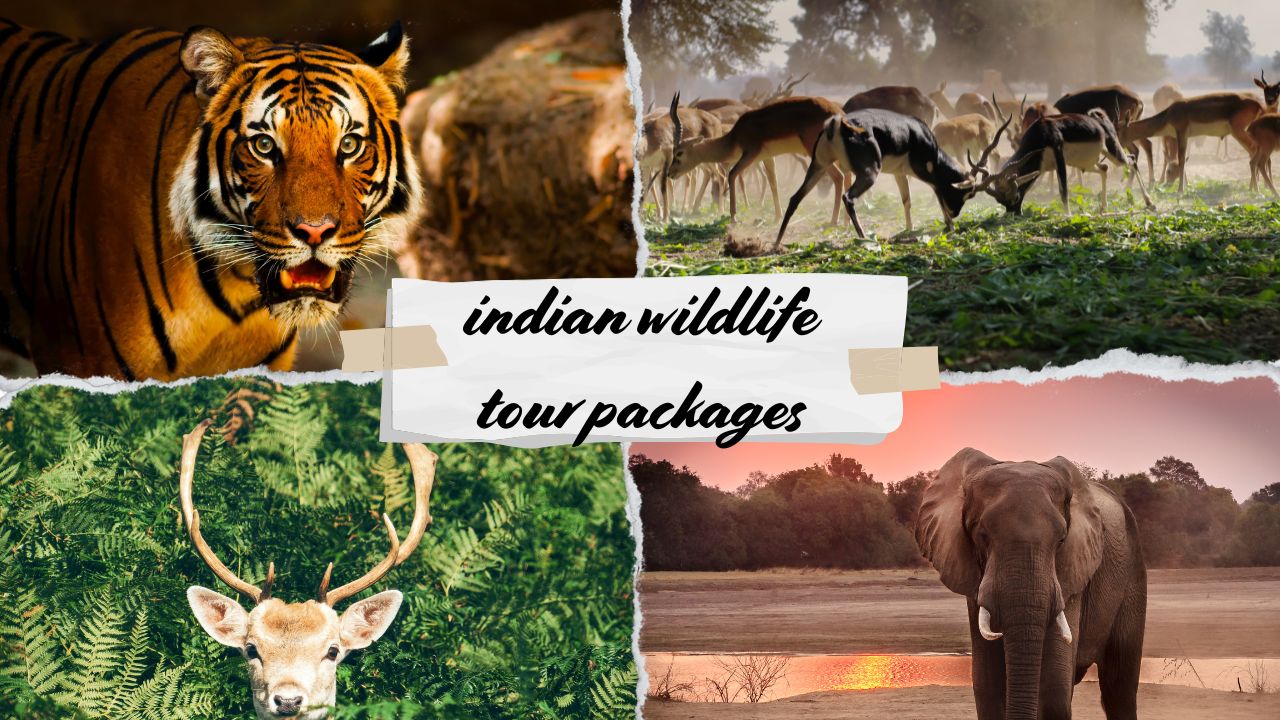
Introduction to Indian Wildlife Tour Packages
India is home to some of the most diverse ecosystems on the planet. From dense rainforests to dry deciduous jungles, from grasslands to mangroves, each region offers a unique experience for wildlife enthusiasts. Indian wildlife tour packages are designed for those who seek more than just a holiday—they offer a direct connection to nature and its most magnificent creatures.
With over 100 national parks and more than 500 wildlife sanctuaries, India provides countless opportunities to witness animals like the Bengal tiger, Asiatic lion, one-horned rhinoceros, wild elephant, Indian leopard, and a wide variety of exotic birds and reptiles. These tours are not only about animal spotting but also about experiencing the raw, untamed side of India that many travelers miss.
Why Indian Wildlife Tour Packages Are Different
Indian wildlife tour packages are not just simple safaris—they are well-structured journeys into ecological hotspots. Each package is tailored to offer a balance between comfort and adventure. Unlike regular holidays, these tours often include expert naturalists, guided forest walks, eco-stay accommodations, and cultural experiences with local tribes.
The main attraction is India’s ability to blend biodiversity with accessibility. Whether it’s a jeep safari in Ranthambore, a boat ride through Periyar, or a trekking path in the jungles of the Northeast, the diversity of options is unmatched.
Moreover, wildlife tourism in India contributes to conservation efforts. Many tour providers partner with forest departments and NGOs, ensuring your visit supports local communities and habitat protection.
Popular National Parks Included in Indian Wildlife Tour Packages
1. Jim Corbett National Park, Uttarakhand
As India’s first national park, Jim Corbett offers a rich habitat for the Bengal tiger. Located at the foothills of the Himalayas, it’s known for its dense forests, open grasslands, and the flowing Ramganga River. Indian wildlife tour packages that include Corbett often feature jeep safaris, birdwatching trails, and riverside stays.
2. Ranthambore National Park, Rajasthan
Ranthambore is famous for its tiger population and historic ruins that dot the forest. This park is ideal for photographers due to its open terrain and frequent tiger sightings. Tour packages to Ranthambore also often include a visit to Ranthambore Fort, a UNESCO World Heritage Site.
3. Bandhavgarh National Park, Madhya Pradesh
Bandhavgarh has one of the highest densities of tigers in India. The area is also rich in mythology, believed to be connected to the Ramayana era. Indian wildlife tour packages featuring Bandhavgarh typically include morning and evening safaris, tribal village visits, and optional nature photography sessions.
4. Kaziranga National Park, Assam
Home to the iconic one-horned rhinoceros, Kaziranga is a UNESCO World Heritage Site located in Assam. This park also supports elephants, swamp deer, and wild buffaloes. Boat safaris and jeep rides across floodplains are common highlights in Kaziranga-focused wildlife tours.
5. Periyar Wildlife Sanctuary, Kerala
Periyar is known for its peaceful boat safaris on the Periyar Lake, surrounded by evergreen forests and wildlife sightings including elephants and sambar deer. Indian wildlife tour packages covering Periyar often pair the experience with spice plantation tours and local food tastings.
Best Time to Book Indian Wildlife Tour Packages
The ideal time for Indian wildlife tour packages generally falls between October and April. During this period, the weather is pleasant, and wildlife sightings increase as animals venture out in search of water and food.
Each region, however, has its peak months:
- Northern parks like Ranthambore and Corbett are best visited between November and March.
- Central India parks like Kanha and Bandhavgarh offer great sightings from February to April.
- Southern sanctuaries such as Periyar are lush and active post-monsoon, from October to January.
- Eastern reserves like Kaziranga are vibrant between November and March before the area becomes prone to flooding.
Planning ahead is crucial since accommodations inside or near the national parks often get booked early during peak seasons.
Types of Indian Wildlife Tour Packages Available
Family Wildlife Holidays
These tours are designed for children and older adults, with a comfortable pace, shorter safaris, and accommodations that prioritize safety and convenience. Activities include nature trails, wildlife education sessions, and interactions with forest guides.
Luxury Wildlife Tours
For those who prefer high-end travel, luxury Indian wildlife tour packages offer private jeeps, boutique jungle lodges, spa services, and gourmet dining. Parks like Kanha, Pench, and Nagarhole have several five-star jungle resorts catering to this segment.
Adventure and Photography Tours
These packages are made for wildlife photographers and adventure seekers. They include extended safaris, offbeat forest locations, camping options, and sessions with professional wildlife photographers. Night safaris, where permitted, may also be included.
Birding Tours
India is a paradise for birdwatchers. Destinations like Bharatpur Bird Sanctuary (Keoladeo National Park), Chilika Lake, and Eaglenest Wildlife Sanctuary attract rare migratory and resident birds. Birding tour packages include guided walks, boat rides, and equipment support.
What to Expect in a Typical Wildlife Tour Itinerary
Most Indian wildlife tour packages are structured to include:
- Arrival and transfer to the national park region
- Morning and evening safaris
- Midday leisure at jungle lodges
- Guided nature walks or tribal village visits
- Optional activities like birdwatching, river boating, or eco-tourism workshops
- All meals provided at the accommodation
- Departure after a final safari or breakfast
These itineraries range from 3 to 10 days, depending on how many parks or zones are covered.
Staying Inside the Jungle: Accommodations You’ll Find
Indian wildlife tour packages offer a wide range of stays, from eco-friendly cottages to luxury lodges. These accommodations are typically located close to or inside buffer zones of national parks and are built to harmonize with nature.
Features you can expect:
- Open verandas with jungle views
- Locally sourced meals
- Eco-conscious construction
- Naturalists available for discussions
- Bonfire evenings (in permitted zones)
Staying in these lodges brings you closer to nature, often allowing you to hear nocturnal calls and see animals right outside your window.
Responsible Travel and Wildlife Ethics
It’s important to remember that you’re visiting natural habitats. Ethical Indian wildlife tour packages emphasize the following:
- No feeding or disturbing animals
- No loud noises or music during safaris
- Respecting buffer and core zones
- Following park guides’ instructions strictly
- Avoiding plastic waste in the jungle
- Choosing certified tour operators that follow conservation guidelines
Responsible wildlife tourism ensures that your experience doesn’t come at the cost of disturbing nature.
Local Communities and Cultural Add-ons
Many Indian wildlife tour packages include cultural experiences with tribal communities who have lived in and around these forests for generations. Interacting with them can offer deeper insights into the forest ecosystem and traditional survival methods.
For instance:
- Baiga tribes in Kanha
- Mishing community near Kaziranga
- Warli artists around Tadoba
- Malasar tribe near Anamalai
Such experiences help bridge the gap between tourism and preservation while benefiting local economies.
How to Choose the Right Indian Wildlife Tour Package
When selecting a wildlife tour package in India, keep these in mind:
- Target species: Are you keen on tigers, rhinos, elephants, or birds?
- Travel group: Solo, couple, family, or elderly travelers need different styles.
- Season: Choose a time of year that supports visibility and comfort.
- Duration: Pick short trips for a single park or longer packages covering multiple parks.
- Operator reputation: Choose providers who work with forest departments and support conservation.
Reading reviews, checking guide credentials, and understanding inclusions like transport and permits is crucial before booking.
Conclusion
Indian wildlife tour packages are not just about ticking animals off a list—they are meaningful journeys into the heart of India’s wild heritage. Each national park brings a unique experience, shaped by geography, animal species, and local traditions.
For nature lovers, photographers, or families seeking an experience beyond the ordinary, these packages open a doorway to forests where time stands still and nature reigns supreme.
Whether you’re watching a tiger emerge from tall grass, listening to the call of a hornbill at dawn, or sailing through waters with elephants nearby, an Indian wildlife tour will leave you with stories worth retelling.
Choose your region, select your adventure style, and prepare for an unforgettable journey into the wild.