When planning to explore the hills of North India, Shimla Manali tours top the bucket list of many travellers. This journey takes you from snow-covered landscapes to blossoming valleys. In short, these hill stations have something to offer in every season.
However, the magic of the experience largely depends on when you visit. This comprehensive guide breaks down the best time to explore Shimla and Manali throughout the year. That meanwhile help you align your trip with the kind of adventure or relaxation you are seeking.
Spring (March to April): A Blooming Escape
As winter recedes, Shimla Manali bus tours welcome vibrant spring colors. That firstly drape the hills in lush greenery and floral charm. The weather is pleasantly cool, further ranging between 10°C to 20°C. It meanwhile make it ideal for sightseeing, nature walks, and enjoying peaceful moments in the hills. Spring is the perfect time for honeymooners and nature lovers who prefer a calm ambiance with fewer crowds.
Summer (May to June): A Cool Summer Retreat
Summers are peak tourist months for Shimla Manali tours especially for families. As they can escape the sweltering heat of the plains.
Temperatures stay between 15°C and 30°C, offering a cool retreat for trekking, paragliding, river rafting, and other adventures. Attractions for example Rohtang Pass (open by late May) and Kufri become easily accessible. That meanwhile give travelers the full Himalayan experience.
Monsoon (July to mid-September): Lush but Slippery
Though not the most popular season, monsoon brings out a green paradise across Shimla and Manali. The rain transforms the hills into a serene, misty wonderland.
That is firstly perfect for romantic travelers or those looking for solitude. However, landslides and slippery roads can disrupt travel plans. So, it’s important to be cautious and plan your Shimla Manali tours around weather updates.
Early Autumn (Late September to October): Crisp and Colorful
Early autumn firstly offers one of the most visually striking experiences in the region. The monsoon has washed the mountains clean, and the skies are a brilliant blue.
Tourist traffic is lower than in summer. That makes this an excellent time for budget-conscious travelers or photography enthusiasts seeking postcard-perfect views.
Late Autumn (November): Pre-Winter Chill and Calm
November signals the onset of winter with crisp mountain air and fewer tourists. While snowfall is rare at this time, the nights can be quite cold.
This shoulder season is ideal for peaceful explorations and local sightseeing. During this time, you can enjoy the hill station vibe without the holiday crowds.
Winter (December to February): Snowy Wonderland
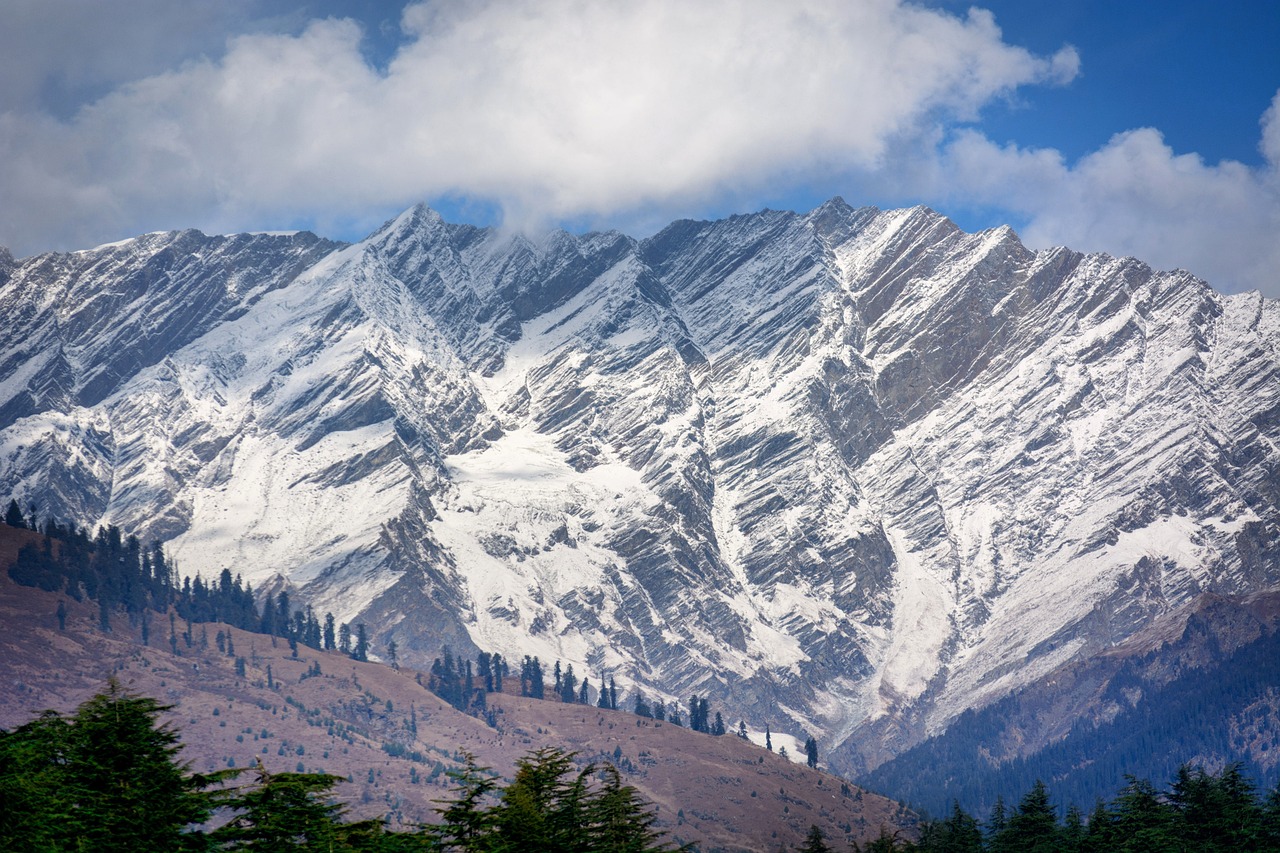
For those who dream of a white winter, Shimla and Manali in snow are pure magic. This is the most awaited season for snow lovers and honeymooners.
Skiing, snowboarding, and snowball fights become part of your daily routine. Manali’s Solang Valley and Shimla’s Kufri are especially popular for winter sports. However, make sure to pack appropriately, as temperatures can dip below freezing.
Festivals and Events: Cultural Highlights Through the Year
Shimla and Manali are not only about natural beauty. They further host vibrant local festivals throughout the year.
The Shimla Summer Festival in May features music, dance, and food. While the Winter Carnival in Manali celebrates Himachali culture with parades and folk performances. However, planning your tour around these events can enrich your cultural experience.
Crowd Calendar: Peak vs. Off-Peak Travel
If you prefer lively streets and buzzing markets, the summer and winter peaks are perfect. However, shoulder seasons for example spring and late autumn are also great.
They are perfect for those who want to avoid long queues and high prices. Being mindful of school holidays and public vacations can meanwhile help you plan a smoother trip.
Budget Considerations: Seasonal Cost Variations
Tour costs can vary drastically depending on the season. During summer and winter, accommodations and transport rates often surge due to high demand.
Off-season travel in monsoon or late autumn can save you money, with many hotels offering discounts and packages. However, check for accessibility and road conditions before you finalize your booking.
Family-Friendly Travel: Best Months for Kids and Elders
For families traveling with kids or elderly members, May to June and September are the most suitable months. During that, the weather is mild, roads are safer, and all tourist spots are open.
However, it’s advisable to avoid winter for young children or elderly travelers. As they may not be able to tolerate extreme cold well.
Adventure Activities: Season-Specific Thrills
Different seasons offer different kinds of adventure experiences. If you’re into snow sports, visit in winter.
Love trekking or river rafting? Summer is your best bet. Paragliding in Solang or hiking in Manali’s scenic trails is best enjoyed when skies are clear in late spring or autumn.
Final Thoughts: When Should You Go?
Ultimately, the best time for Shimla Manali tours further depends on your travel goals. Seeking romance in the snow? Head there in January.
Want to trek and explore with the sun on your back? June is perfect. Prefer calm, budget-friendly travel? October or November will meanwhile suit you well. Every season further offers a new perspective of these charming hill stations.
Summary
Shimla and Manali are year-round destinations, each season offering its own unique charm. They range from snowy escapes and adventure-packed summers to romantic monsoons and serene autumns.
In other words, your travel experience will vary depending on when you go. Whether you are planning your honeymoon, a family vacation, or a solo journey, firstly understand the seasonal highlights. That further ensures your Shimla Manali tours become unforgettable memories.