Boaters now negotiate and remain safe on the water thanks in great part to marine electronics. From sophisticated GPS systems to radar and communication tools, these technologies have been absolutely essential for both leisurely and commercial boats. By adding Marine electronics on board, one may improve situational awareness, lower human error, and offer essential data that might make all the difference between a safe trip and a hazardous event. Responsable and efficient seamanship depends on any boat owner or operator knowing how marine electronics support navigation and safety.
GPS and Chartplotters Precision Navigation
The development of GPS-based navigation is among the biggest advances marine electronics made. Conventional navigation techniques mostly depended on compasses, charts, and visual references—which in bad weather could be unreliable or challenging to use. Modern GPS devices show the vessel’s real-time position on thorough electronic charts and offer pinpoint accuracy.
Chartplotters let sailors create routes, mark waypoints, and log their travel on a computer interface, so augmenting their planning. These technologies help you avoid shallow seas, restricted areas, and underwater hazards in addition to keeping you from becoming lost. GPS and chartplotters considerably increase confidence and efficiency while lowering navigational dangers by real-time updates and route recalculations.
Improved Sensibility Using Radar and AIS
Detecting objects and other boats in low visibility environments such fog, rain, or darkness calls for radar equipment. A 360-degree perspective of the surrounding environment, marine radar shows the location and movement of buoys, landmasses, ships, and more. By means of this situational awareness, operators can avoid possible crashes and make wise decisions.
The Automatic Identification System (AIS), which transmits and gathers data on surrounding vessels including their speed, direction, and identity, compliments radar. In crowded ports or trade routes when several vessels are moving concurrently, AIS is especially useful. Combining radar and AIS, marine electronics produce a detailed and dynamic image of the surroundings, enabling sailors to share the water with others safely.
Routine and Emergency Communication Systems
Maritime safety depends mostly on communication, and marine electronics offer various instruments to guarantee good contact with other vessels, authorities, and personnel. Most often used for communication at sea are VHF radios. Modern VHF radios, armed with Digital Selective Calling (DSC), may broadcast automatic distress signals including the position of the vessel, therefore guaranteeing shorter reaction times in an emergency.
By offering backup alternatives when VHF radio coverage is restricted, satellite communication systems and Emergency Position Indicating Radio Beacons (EPIRBs) improve safety even further. Crucially for offshore trips, these gadgets can notify rescue services around the world. Marine electronics guarantee that you can always call for help or transmit vital information from wherever or under any circumstances.
Depth Sounds and Sonar for Underwater Sensibility
Monitoring underwater conditions is another basic use for maritime electronics. Sonar devices and depth sounders let boaters find underwater terrain or objects as well as grasp the depth of the water under their boat. In shallow or unknown waters, where there is more chance of grounding or hull damage, this knowledge is particularly important.
Advanced sonar systems also provide a clear view of what lies below, so aiding in fishing and anchoring. Understanding the underwater surroundings increases navigation accuracy and helps to avoid mishaps. These instruments also help to keep safe distances from submerged constructions including reefs, rocks, or wrecks.
System Integration and Automation for Enhanced Control
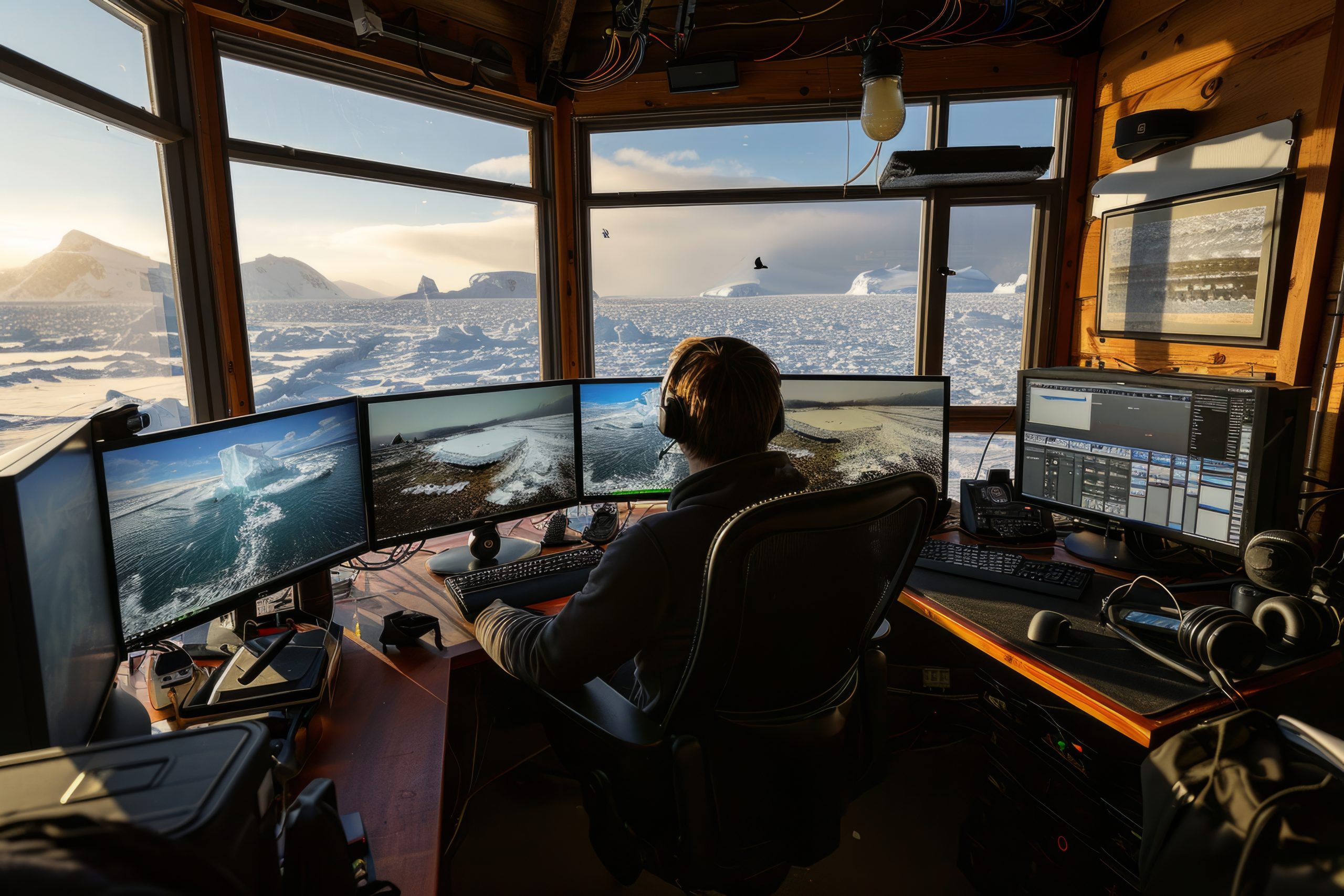
Modern maritime electronics are being more integrated so that several gadgets may share data and communicate. One can link chartplotters, sonar, radar, and autopilot devices to form a centralized control center. By displaying important data on a single display and thereby lowering the need to monitor several instruments, this integration enhances decision-making.
When correctly set, autopilot systems can guide the vessel along a predefined path, freeing the operator to concentrate on surroundings monitoring and other task management. By keeping exact route lines and lowering human tiredness on extended travels, this automation improves safety. Not only does central interface control and monitoring of systems simplify navigation, but also general vessel management.
Regular Maintenance and Updates Aimed Towards Long-Term Safety
To run consistently, even the most sophisticated marine electronics need routine maintenance and updates. Components can be worn down by saltwater, vibration, and environmental exposure; performance over time will change. Frequent checks of displays, connectors, and wire help to avoid failures and guarantee that equipment stay running when most needed.
Updates of software and firmware are just as crucial. Manufacturers routinely provide updates to add features, solve problems, and increase performance. Maintaining current with these updates guarantees that your devices are safely and functionally current. Along with keeping your navigation and safety systems ready for every voyage, preventive maintenance combined with knowledge of recent advancements extends the life of your marine electronics.
For everyone who spends time on the sea, marine electronics have grown to be absolutely essential. These technologies greatly increase safety and performance by strengthening navigation accuracy, awareness through radar and AIS, guarantees of communication in emergencies, monitoring underwater terrain, system integration, and maintenance of dependability through regular care. Investing in and effectively using marine electronics will boost confidence, lower hazards, and make every trip safer and more fun regardless of experience level as a mariner.