Introduction to Rice Export from India
India holds the title of the world’s largest rice exporter, supplying millions of tonnes annually to countries across Asia, Africa, the Middle East, and Europe. This dominance is a result of India’s diverse agro-climatic zones, advanced processing methods, and a strong supply chain network. The demand for Indian rice—especially Basmati and non-Basmati varieties—continues to grow due to its superior quality, aroma, and taste.
In this article, we provide a detailed overview of rice exporters in India, their global presence, product range, certifications, and what makes them the preferred choice in international markets.
Why India is a Global Leader in Rice Export
The success of rice exporters in India is built on a solid foundation of agricultural abundance, traditional farming knowledge, and technological advancement. Several factors contribute to India’s leadership in the rice export market:
- Large-scale production: India produces over 120 million tonnes of rice annually.
- Variety and quality: Exporters offer a wide range of rice including Basmati, Sona Masoori, IR64, Ponni, and Kolam.
- Cost-effective supply chain: Efficient port connectivity, modern warehouses, and milling units.
- Compliance and certifications: Adherence to international food safety standards such as ISO, HACCP, APEDA, and FSSAI.
These advantages ensure Indian rice exporters can consistently meet the demands of bulk buyers, retailers, and distributors worldwide.
Key Categories Offered by Rice Exporters in India
1. Basmati Rice
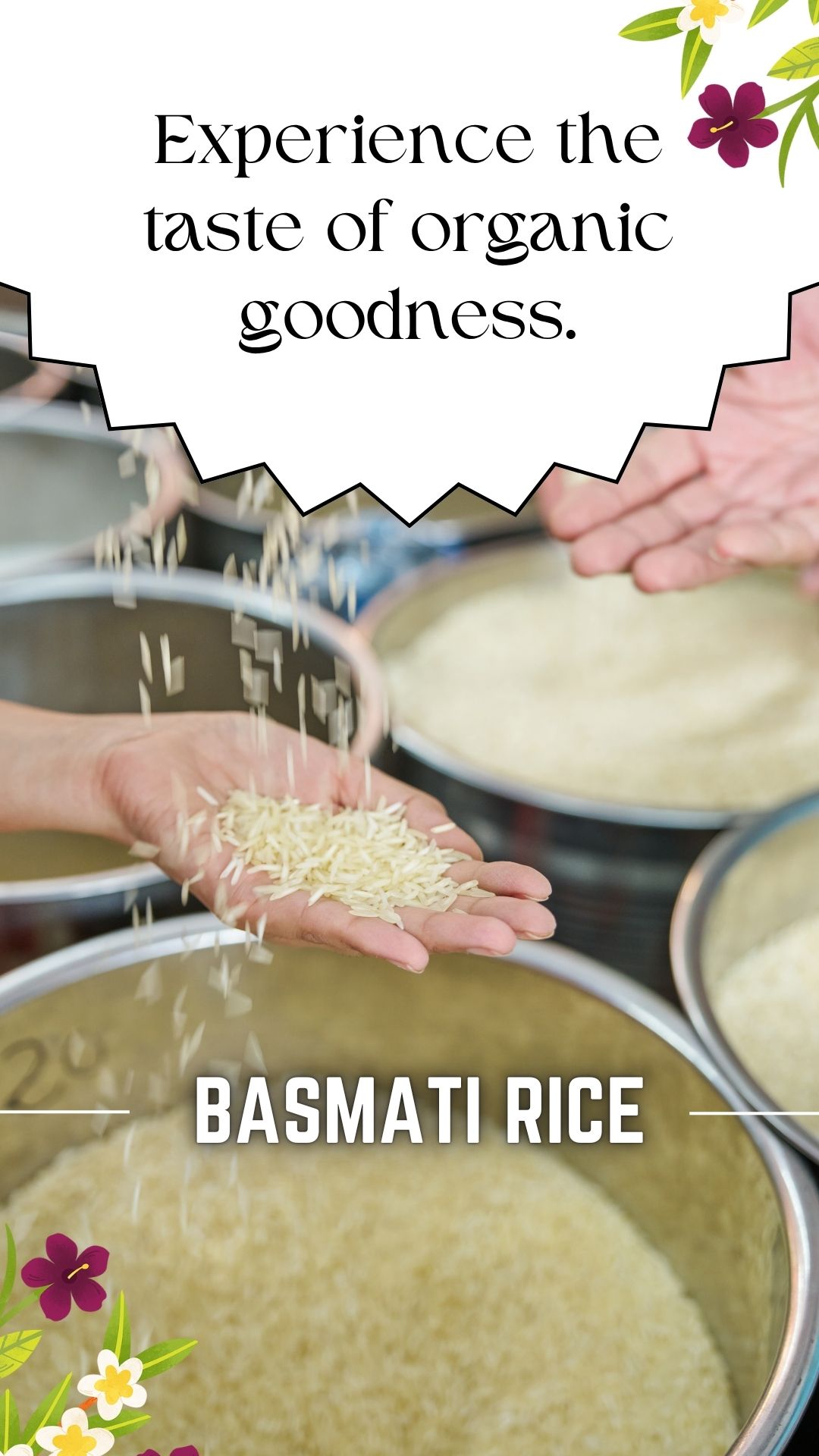
One of India’s most valued agricultural exports, Basmati rice is known for its unique aroma, long grain size, and fluffy texture when cooked. Varieties such as 1121, Pusa Basmati, and Traditional Basmati are highly preferred in Middle Eastern and European markets.
2. Non-Basmati Rice
Rice exporters in India also supply a variety of non-Basmati rice types like IR64, Swarna, Sona Masoori, and PR11. These varieties are mainly exported to countries like Bangladesh, Nepal, Benin, and Senegal for commercial and household consumption.
3. Parboiled Rice
Parboiled rice undergoes a special pre-cooking process that retains nutrients and makes the rice firmer and less sticky. It is ideal for African and Latin American cuisines and widely preferred by large-scale food industries.
4. Organic Rice
Several exporters now cater to the organic segment, offering pesticide-free rice grown with sustainable farming practices. Organic Basmati and non-Basmati varieties are increasingly being shipped to health-conscious markets like the US, Germany, and Australia.
Leading Rice Export Destinations from India
The top destinations for rice exports from India include:
- Saudi Arabia
- Iran
- United Arab Emirates
- Kuwait
- Iraq
- Yemen
- Bangladesh
- Nepal
- South Africa
- Benin
Each of these countries has distinct preferences in terms of grain length, color, aroma, and cooking quality. Rice exporters in India are adept at customizing their products and packaging to meet regional specifications.
Certifications and Quality Standards Followed
To ensure food safety and international compliance, rice exporters in India adhere to strict quality control measures. Most reputed exporters maintain:
- ISO 9001 & 22000 Certification
- HACCP (Hazard Analysis Critical Control Points)
- FSSAI Compliance
- SGS & Intertek Inspection Reports
- BRC Global Standard
- Kosher and Halal Certifications
Exporters work closely with inspection agencies to guarantee the rice meets import regulations and buyers’ expectations in terms of purity, moisture level, and broken grain percentage.
Processing & Packaging Capabilities
Modern rice exporters in India invest in state-of-the-art milling and packaging units equipped with:
- Fully automated milling systems
- Color sorters and de-stoners
- Advanced grading and polishing machines
- Vacuum packing and nitrogen flushing facilities
- Custom labelling, bulk and retail packaging (5kg, 10kg, 25kg, 50kg bags)
These technologies help in maintaining hygiene, freshness, and shelf life, while also supporting branding for private label customers abroad.
Major Rice Export Hubs in India
1. Punjab and Haryana
The Basmati rice belt, known for traditional long-grain varieties exported mainly to the Middle East and Europe.
2. Andhra Pradesh and Telangana
A hub for Sona Masoori and IR64 rice, with robust infrastructure for containerized shipments to South East Asia and Africa.
3. West Bengal and Odisha
Important contributors to non-Basmati rice exports and often involved in bulk shipping to neighboring countries.
4. Tamil Nadu and Karnataka
Producers and exporters of Ponni, Matta, and organic rice, frequently catering to diaspora communities across the globe.
How Indian Exporters Ensure Global Supply Chain Efficiency
Reliable rice exporters in India maintain international supply networks that allow timely delivery through:
- Partnerships with freight forwarders
- Tie-ups with shipping lines and logistics firms
- Warehousing near major ports like Mundra, Kandla, Chennai, and Kolkata
- Real-time tracking of export consignments
- End-to-end documentation support, including bill of lading, certificate of origin, phytosanitary certificates, etc.
These capabilities make it easier for importers and distributors to handle inventory and manage retail sales efficiently.
Digital Advancements in Rice Export Industry
In recent years, top rice exporters in India have adopted digital tools to streamline business:
- Online order management systems
- E-commerce platforms for bulk rice procurement
- Live inventory tracking for international buyers
- Virtual factory tours and quality inspection reports via video conferencing
- Integration with export promotion councils for visibility
This technological transformation allows better communication, faster decisions, and long-term buyer-supplier relationships.
Challenges Faced by Rice Exporters in India
Despite global success, rice exporters in India face several challenges:
- Frequent policy changes in Minimum Export Price (MEP)
- Shipping delays due to port congestion
- Rising container freight costs
- Import restrictions in certain countries
- Climate impact on paddy crop yield
- Payment risks and credit exposure in developing nations
However, many exporters manage these risks through better forecasting, government liaison, and credit insurance services.
How to Choose the Right Rice Exporter in India
When selecting a rice exporter from India, consider the following points:
- Years of experience in international trade
- Rice variety specialization and milling capacity
- Certifications and quality compliance track record
- References and buyer testimonials
- Packaging customization options
- Transparency in pricing and documentation
- Logistics coordination and after-sales support
A reliable rice exporter will be proactive in communication, flexible in meeting buyer needs, and committed to quality at every step.
Role of APEDA in Supporting Indian Rice Exporters
The Agricultural and Processed Food Products Export Development Authority (APEDA) plays a crucial role in regulating and promoting rice exporters in India. It:
- Provides registration and licensing for exporters
- Offers export incentives and subsidies
- Facilitates trade fairs and buyer-seller meets
- Ensures food safety compliance through training
- Promotes branding of Indian rice in global markets
With APEDA’s support, exporters gain confidence to expand into new territories and upgrade their systems for international demands.
Future Outlook for Rice Exporters in India
With growing global food demand and increasing health awareness, Indian rice—especially Basmati and organic varieties—will continue to see high export potential. The rise of ethnic food markets and large-scale retail chains in Europe and North America also opens doors for private label partnerships.
Exporters who adapt to changing regulations, invest in digital infrastructure, and maintain quality benchmarks will retain their competitive edge in the global market.
Conclusion
India’s position as the leading global supplier of rice is well-earned. Rice exporters in India offer unmatched quality, variety, and logistics support, making them a preferred source for international rice buyers. With continuous improvements in farming, processing, and compliance, they are set to maintain their dominance and serve the evolving needs of the global food industry.
Whether you’re an importer, wholesaler, or private label brand, partnering with experienced rice exporters in India can help you deliver consistent quality to your customers around the world.