Packaging has become a powerful silent salesman in the food industry. It’s not just about wrapping up a meal anymore — it’s about function, brand identity, sustainability, and even user experience. Among the most practical yet often underrated packaging solutions are custom food tray boxes.
From street vendors and food trucks to high-volume catering businesses, food trays have carved out a space that’s both utilitarian and adaptable. But what makes custom food trays so effective? Let’s dig deeper.
Understanding the Role of Custom Food Trays
At a glance, a food tray might seem basic — a simple box with shallow walls. But if you run a food business, you know it’s far from that.
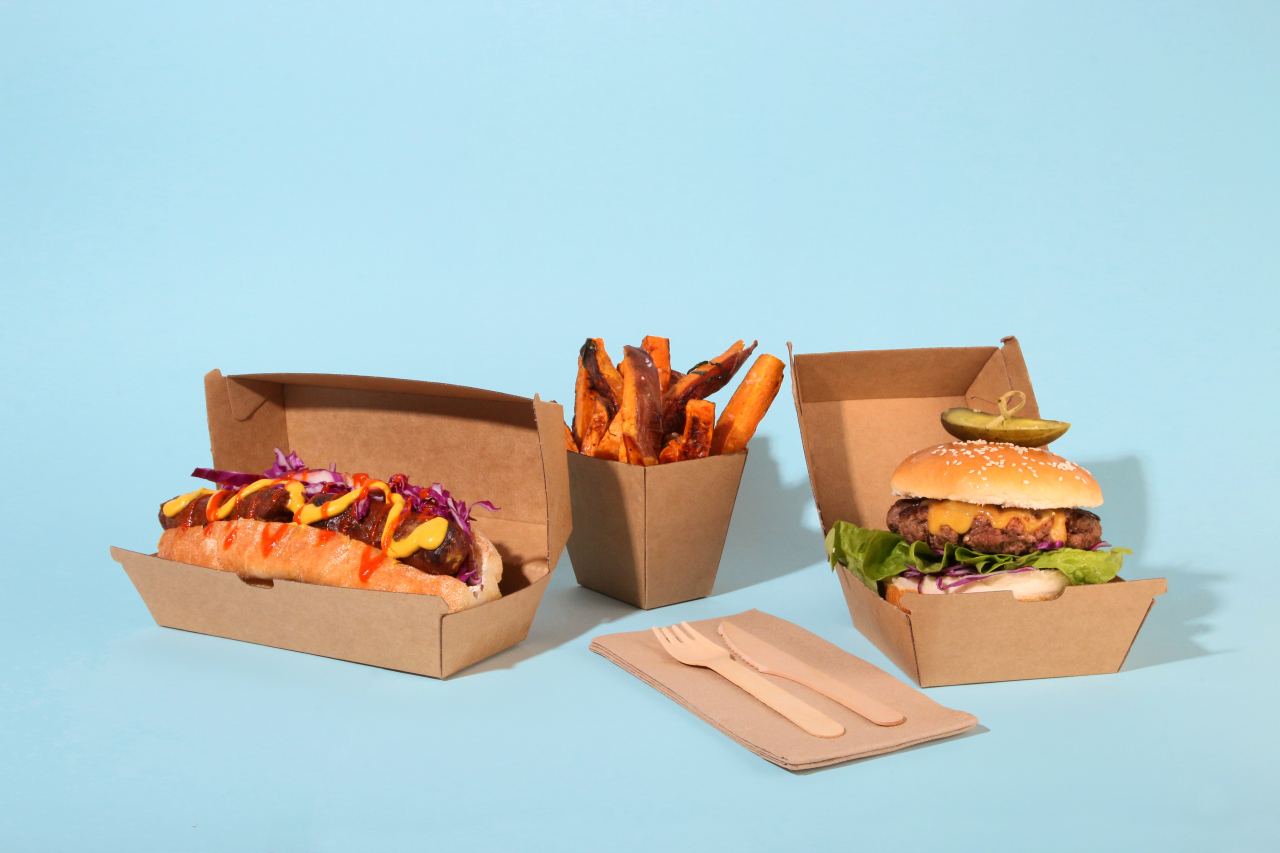
Custom food tray packaging is designed to meet specific needs, whether it’s size, shape, insulation, or branding. Think of them as the bridge between your kitchen and the customer’s first impression. They carry the weight — quite literally — of your product’s quality, hygiene, and aesthetic.
Unlike one-size-fits-all solutions, custom food trays can be tailored to the type of food you’re serving. Want something grease-resistant for loaded nachos? Need a divided tray for a three-course meal? These aren’t features you’ll find in generic packaging.
Function Meets Brand: The Double Duty of Custom Food Tray Boxes
Today’s customers care about presentation just as much as taste. A flimsy, soggy tray reflects poorly on the food inside — no matter how delicious it might be. On the other hand, well-constructed custom food tray boxes give your business a chance to express quality, care, and consistency.
Here’s how:
- Product Fit: No more squashed burgers or spilled pasta. Trays can be molded to your menu items, offering a snug, secure fit.
- Structural Integrity: Many modern trays use materials like Kraft board or coated paperboard that resist moisture and retain shape.
- Custom Printing: You can print your logo, slogan, or social media handles right onto the tray — essentially turning it into a moving advertisement.
And if you’re exploring ways to package side items like cookies or small snacks, consider pairing trays with printed food pillow boxes, which are compact, stylish, and highly customizable.
Wholesale Catering Boxes: Built for Scale and Convenience
If your business involves high-volume service — think weddings, conferences, or corporate luncheons — then managing packaging in bulk becomes a logistical priority. This is where wholesale catering boxes come in.
Buying catering boxes wholesale ensures consistency across hundreds (or thousands) of meals while keeping costs manageable. It also offers room for bulk customization — matching box dimensions with food quantities, or adding color-coded labels for dietary variations like vegan, gluten-free, or halal.
Key things to look for in catering tray packaging include:
- Stackable design for efficient transport.
- Greaseproof lining to avoid leaks during long hours.
- Perforated or easy-tear lids for quick access.
- Room for labeling or instructions for reheating.
A common trend among caterers is integrating these trays with minimalist branding that reflects professionalism while subtly enhancing the guest experience.
Where Food Tray Boxes Fit In (Literally and Figuratively)
Food tray boxes serve diverse functions across sectors — not just traditional restaurants. You’ll see them in:
- Cafeterias for pre-portioned meals.
- Meal-prep businesses delivering ready-to-eat food.
- Street vendors who need lightweight and disposable solutions.
- Bakeries and delis using trays for everything from croissants to cold cuts.
The packaging isn’t just practical — it’s an extension of how your food is presented, experienced, and remembered.
Beyond Utility: Why Customers Notice the Small Things
Most customers won’t consciously comment on a well-made food tray. But they will notice when it fails. Leaky boxes, flimsy walls, or awkward designs get noticed — and remembered, often for the wrong reasons.
On the other hand, a customer opening a custom food tray box that neatly holds a meal in place, looks appealing, and makes the eating process easier will subconsciously associate your brand with quality.
And with the growing trend of unboxing experiences — especially in delivery and takeout — presentation plays an even bigger role. Food photos go on Instagram, stories are shared, and reviews are written. Your packaging shows up in all of that. Don’t let it be the weakest link.
Sustainability and Customization Can Coexist
There’s no denying that environmental concerns are now at the forefront. Customers are paying attention to packaging waste. The good news? Today’s custom food tray boxes can be both eco-friendly and brand-forward.
Materials like Kraft paper, recyclable cardboard, or even compostable liners allow you to reduce your environmental footprint without compromising functionality. Some brands even go further by printing a small note about their packaging’s recyclability or sourcing — a simple gesture that builds trust.
Custom doesn’t always mean excessive — it can also mean intentional.
Final Takeaway: Don’t Underestimate the Power of a Good Tray
Packaging isn’t just about holding food — it’s part of your product. It tells a story about your brand, values, and attention to detail. With custom food tray boxes, you’re not just investing in better logistics or improved aesthetics — you’re investing in the full customer experience.
From small food joints to high-scale catering, the shift toward custom food trays and catering boxes wholesale reflects a broader movement in the food business: one where functionality, brand identity, and sustainability meet.
And when it’s done right, your packaging doesn’t just carry food — it carries your brand forward.