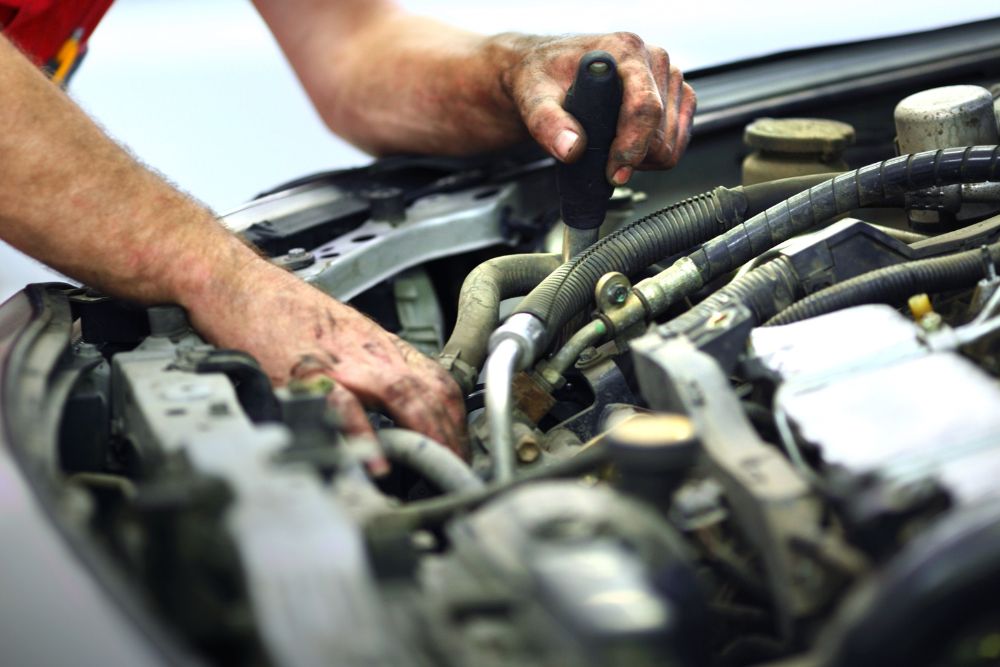
A car rarely fails without whispering first. The trouble is that most drivers in the USA hear the whisper, turn up the radio, and hope the sound goes away by Monday. Good automotive repair advice starts with one simple shift: stop treating small engine problems like random annoyances and start treating them like early warnings. A rough idle, a slow start, a burning smell, or a sudden drop in fuel economy can tell you more than any dashboard light, if you know how to read it.
Modern vehicles are smarter than older ones, but they are not magic. Sensors can point you toward trouble, yet they cannot replace judgment, maintenance habits, or a mechanic who listens before grabbing parts. For drivers comparing repair options, local shop standards, and vehicle service decisions, practical auto ownership resources from trusted automotive guidance can help make the next step feel less like a gamble. The goal is not to turn every driver into a technician. The goal is to help you notice what matters before a repair bill turns ugly.
Why Small Warning Signs Deserve Fast Attention
Engine trouble usually begins in the gray area between “probably fine” and “I should get that checked.” That is where many expensive repairs are born. A small hesitation during acceleration may feel harmless during a grocery run, but the same symptom can point to weak spark, poor fuel delivery, dirty air intake, or a sensor feeding bad information to the system.
The smartest drivers do not panic over every sound. They build a habit of noticing patterns. When the noise happens, when the smell appears, how the vehicle behaves under load, and whether the issue gets worse after the engine warms up all matter. That pattern gives a repair shop a head start and can save you from paying for guesswork.
What Does a Rough Idle Usually Mean?
A rough idle feels like the engine cannot settle into its own rhythm. You may feel shaking through the steering wheel, hear uneven pulsing, or notice the tachometer bouncing when the car is stopped. Many drivers ignore this because the vehicle still moves, but idle quality tells you a lot about combustion health.
One common cause is a dirty or failing spark plug. Another is a vacuum leak that lets extra air sneak into the engine. Fuel injectors can also clog, especially if the vehicle spends most of its life in short city trips where the engine rarely reaches a clean operating cycle. None of these issues always means disaster, but waiting can turn a low-cost tune-up into a chain reaction.
A good shop will not jump straight to replacing major parts. It will check codes, inspect ignition parts, listen for air leaks, and compare fuel trim data. That matters because rough idle symptoms can overlap. The wrong repair may make the invoice bigger while the shake stays exactly where it was.
Why Strange Engine Sounds Should Never Be Ignored
Engine sounds carry meaning, even when they seem minor. A ticking sound may come from low oil, worn lifters, or normal injector noise. A knocking sound under acceleration deserves more urgency because it can suggest combustion stress or internal wear. A squeal near the front of the engine may point to a belt or pulley issue rather than the engine itself.
The mistake many drivers make is describing every sound as “weird.” Better notes create better repairs. Say whether the noise is sharp, dull, rhythmic, metallic, cold-start only, speed-related, or worse while turning on the air conditioner. That small detail can steer the inspection toward the right system.
A real-world example is the driver who hears a faint belt chirp every morning but delays service because the sound disappears after ten minutes. The belt may still be slipping under moisture or cold conditions. Leave it alone long enough, and you may lose charging support, cooling support, or power steering assistance depending on the vehicle design.
Engine Problems Drivers Can Often Trace Early
The first section was about listening. This one is about connecting symptoms to systems without pretending every issue has one neat answer. Cars do not always fail in tidy ways. One weak part can pressure another, and by the time the dashboard light appears, the original clue may already be buried under new symptoms.
That is why diagnosis matters more than parts swapping. A vehicle owner does not need to know every technical detail, but you should know enough to avoid being sold repairs that do not match the symptom. The best customer in a repair shop is not the loudest one. It is the one who can explain what happened clearly.
How Can Poor Fuel Economy Reveal Engine Trouble?
Poor fuel economy often gets blamed on gas prices, traffic, or “old car behavior.” Sometimes that is fair. Still, a sudden drop in miles per gallon can signal that the engine is working harder than it should. Dirty air filters, weak oxygen sensors, dragging brakes, underinflated tires, and failing thermostats can all affect how much fuel the vehicle burns.
The engine control system tries to maintain the right air-fuel mix. When a sensor gives bad readings, the system may add too much fuel or pull back power to protect the engine. You feel it as sluggish acceleration or more frequent gas station stops. The vehicle may still feel normal enough, which is why this problem sneaks past people.
Track fuel economy for two or three tanks instead of guessing from one trip. If the drop stays consistent, do not ignore it. A scan, visual inspection, and basic maintenance check can often catch the issue before it damages the catalytic converter or creates a more costly emissions repair.
Why Overheating Is More Than a Temperature Gauge Issue
Overheating is one of the fastest ways to turn a manageable repair into serious engine damage. The coolant system has one job: move heat away from the engine. When that process breaks down, metal parts expand beyond their safe range, gaskets lose their seal, and oil may struggle to protect moving parts.
Common causes include low coolant, a failing thermostat, a weak radiator cap, a bad water pump, or a cooling fan that does not engage. The warning sign may start as a slow temperature climb in traffic, then disappear on the highway because airflow cools the radiator. That does not mean the issue fixed itself.
Pulling over early can save the engine. Driving “a little farther” while the temperature gauge rises is the kind of choice people regret. Let the engine cool, avoid opening a hot radiator cap, and call for help if the temperature keeps climbing. Pride has ruined more engines than potholes ever will.
Repair Choices That Separate Smart Spending From Waste
Once you notice a symptom, the next challenge is deciding what kind of repair response makes sense. This is where drivers often split into two risky camps. One group delays everything. The other approves every suggested service because they fear being stranded. Neither habit protects your wallet.
Smart repair decisions come from order. Confirm the symptom, diagnose the system, fix the root cause, then verify the result. Skipping any step invites waste. A good mechanic respects this process because it protects both the customer and the shop from repeat visits, arguments, and half-solved complaints.
When Should You Ask for Diagnostic Proof?
Diagnostic proof does not mean you distrust the mechanic. It means the repair should make sense. If a shop recommends replacing a sensor, ask what reading failed. If it recommends ignition parts, ask whether misfire data supports the call. If it suggests a coolant repair, ask where the leak or pressure failure showed up.
Good shops welcome clear questions. They may show you worn plugs, cracked hoses, scan data, test results, or photos from the inspection. Bad shops act offended when you ask for the reason behind a repair. That reaction tells you something.
The strongest automotive repair advice is simple here: never approve expensive work based only on “this might fix it.” Some problems need step-by-step testing, and not every diagnosis can be perfect in five minutes. Still, a shop should explain the path from symptom to recommendation in plain language.
Why Cheap Parts Can Become Expensive Repairs
Cheap parts feel like savings until they fail early or create new trouble. This matters most with sensors, ignition coils, fuel pumps, thermostats, and cooling system parts. A bargain part that sends unstable readings can make the engine run poorly even after the original issue gets repaired.
That does not mean the most expensive part is always the best choice. It means quality, fit, warranty, and labor risk all belong in the decision. If replacing a part takes three hours of labor, saving a few dollars on a weak component makes little sense. You may pay the same labor again when it fails.
A smart repair conversation includes options. Ask the shop whether it recommends original equipment, premium aftermarket, or standard aftermarket parts for your vehicle. The answer may depend on age, mileage, part location, and how long you plan to keep the car. Context matters. It always does.
Maintenance Habits That Prevent Repeat Engine Trouble
Repair fixes what has gone wrong. Maintenance reduces the odds that the same kind of trouble returns. Many drivers treat maintenance like a bill they can dodge, but engines do not forgive neglect forever. They keep score quietly through heat, friction, deposits, weak fluids, and worn parts.
The best maintenance plan is not fancy. It is consistent. Oil changes, coolant checks, air filter replacement, spark plug service, belt inspection, and attention to leaks can keep an engine stable for years longer than careless ownership. The difference rarely shows up in one dramatic moment. It shows up when your car starts every morning while someone else is calling a tow truck.
How Do Oil Changes Protect More Than Engine Lubrication?
Oil does more than reduce friction. It helps cool internal parts, carries away contaminants, supports seals, and protects surfaces that move under heavy pressure. When oil gets old, dirty, or low, the engine loses one of its main defenses. That damage may not announce itself until wear has already spread.
Short trips can be harder on oil than many drivers think. The engine may not get hot long enough to burn off moisture and fuel dilution. Stop-and-go traffic, towing, extreme heat, and dusty roads can also shorten oil life. For many American drivers, the “normal” schedule in the manual may not match real driving conditions.
Check oil level between services, especially on older vehicles. A car can burn or leak oil without leaving a dramatic puddle. Waiting for the oil light is a poor plan because that warning often means pressure has already dropped. By then, the engine is not asking politely anymore.
What Maintenance Records Help During Repairs?
Maintenance records turn vague ownership history into useful evidence. A mechanic who knows when plugs, coolant, belts, filters, and fluids were last serviced can avoid repeating work or missing likely causes. Records also help when selling the vehicle because they show care instead of claims.
You do not need a perfect binder with color tabs. A folder of receipts, notes in your phone, or a simple spreadsheet can work. Record the date, mileage, service performed, parts used, and shop name. The habit takes less than a minute after each visit.
This is especially useful when a repair issue returns. If a misfire comes back six months after spark plug replacement, the shop can look deeper instead of starting from scratch. Good records reduce confusion, and confusion is expensive.
Conclusion
A reliable car is not built by luck. It is built through attention, steady maintenance, and repair decisions that follow evidence instead of fear. Most drivers do not need to memorize every engine part, but they do need to respect early warning signs before they become roadside stories.
The best way to handle common engine problems is to act while the issue is still small enough to study. Listen to changes, write down patterns, ask for clear diagnostic reasoning, and choose parts with the full repair picture in mind. That approach keeps you in control when the conversation with a shop could otherwise feel one-sided.
Your vehicle is already telling you what kind of care it needs. Pay attention early, choose your repair help carefully, and treat every small symptom as useful information before it becomes an expensive lesson.
Frequently Asked Questions
What are the most common signs of engine trouble in a car?
Rough idle, hard starting, knocking sounds, overheating, poor fuel economy, smoke, fluid leaks, and dashboard warning lights are the signs drivers should take seriously. One symptom may have several causes, so proper diagnosis matters before replacing parts.
How long can I drive with a check engine light on?
A steady check engine light may allow limited driving, but it still needs inspection soon. A flashing check engine light signals a more serious issue, often a misfire that can damage the catalytic converter. Reduce driving and get service quickly.
Why does my car shake when stopped at a red light?
Shaking at idle often points to worn spark plugs, dirty fuel injectors, vacuum leaks, weak engine mounts, or air-fuel mixture problems. The exact cause depends on whether the shaking happens only when cold, only in gear, or all the time.
What causes an engine to overheat in city traffic?
Overheating in traffic often comes from low coolant, a failing radiator fan, a stuck thermostat, a weak water pump, or airflow problems around the radiator. Highway driving may hide the issue because moving air cools the system better.
Is it better to repair or replace an older engine?
Repair makes sense when the vehicle body, transmission, and major systems remain strong. Replacement may be smarter when internal damage is severe or repeated repairs exceed the car’s value. A compression test and full inspection help guide the choice.
How often should spark plugs be replaced?
Spark plug intervals vary by vehicle and plug type. Many modern plugs last far longer than older designs, but rough idle, misfires, poor fuel economy, or hard starts can appear before the scheduled interval if parts wear early.
Can bad gas cause engine performance issues?
Poor-quality or contaminated fuel can cause hesitation, rough running, knocking, or starting trouble. One bad tank may clear after fresh fuel, but repeated symptoms need inspection. Fuel filters, injectors, and sensors may also be involved.
What should I tell a mechanic about engine symptoms?
Give clear details: when the issue started, whether it happens cold or warm, what speed or condition triggers it, any smells or sounds, and whether warning lights appeared. Specific notes help the shop diagnose faster and avoid unnecessary repairs.