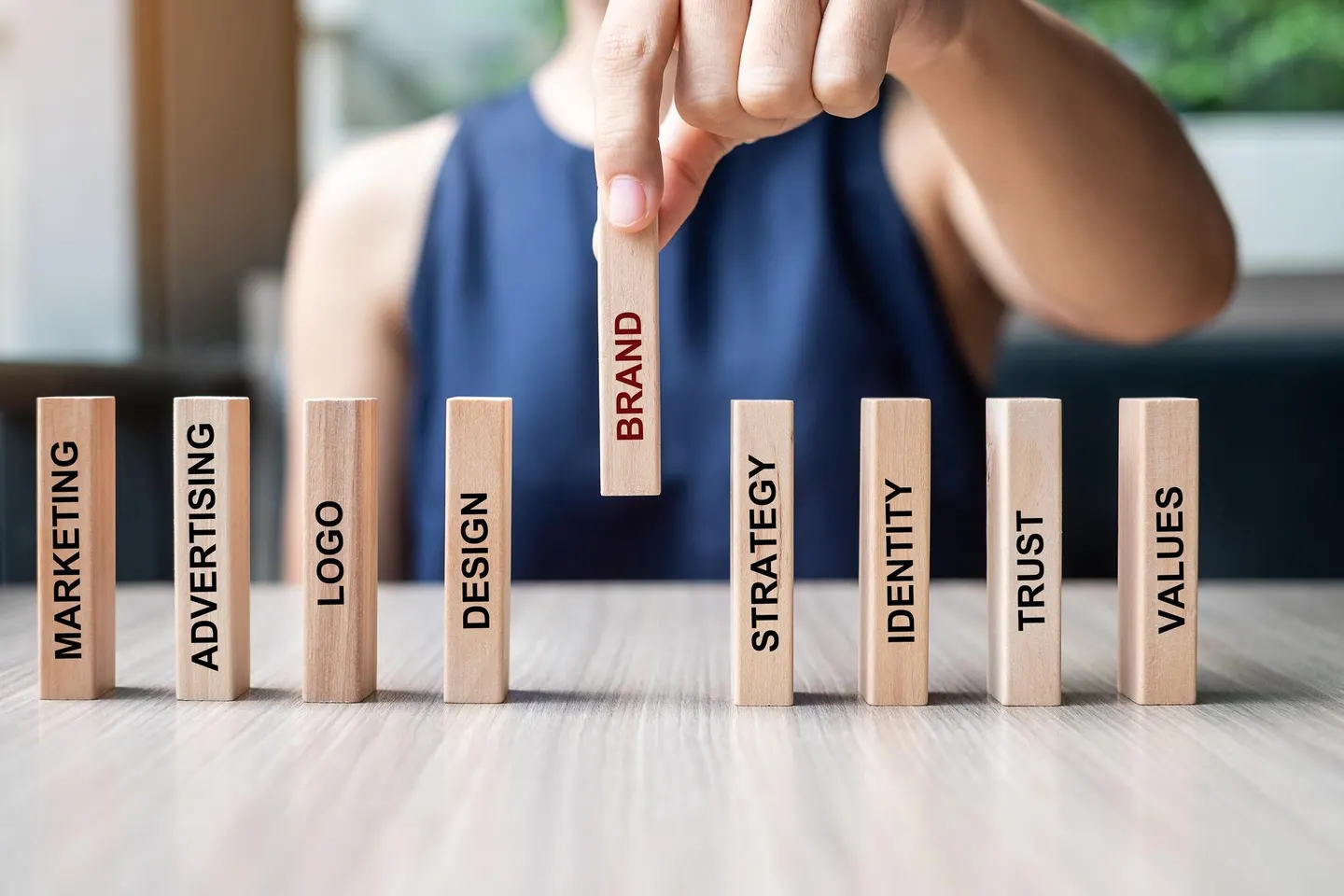
A brand can spend years earning trust and lose it in one careless customer moment. People do not judge a company only by the product anymore; they judge the reply, the return process, the tone of support, the checkout flow, and what happens after money changes hands. Customer Experience Strategies matter because reputation now lives in public, private, and half-public places all at once.
A customer in Texas who gets ignored may leave a Google review. A buyer in Ohio may warn a local Facebook group. A client in Florida may tell five business owners at lunch. That is how reputation moves in the United States: fast, emotional, and tied to real daily life. Brands that want stronger trust need more than polite service scripts. They need systems that make people feel heard before frustration turns into a story. Even a brand featured through trusted business visibility platforms still has to back up attention with care that feels real.
Customer Experience Strategies That Shape First Impressions
First impressions do not begin when someone buys from you. They begin the moment a person lands on your website, reads a review, calls your office, or sees how you answer a complaint online. A brand reputation is often formed before your team even knows a customer is watching.
Why the first contact carries more weight than brands admit
The first touchpoint sets the emotional temperature. If a customer waits three days for a reply, every later message has to work harder. If your website hides pricing, your sales call begins with suspicion. If your phone greeting sounds rushed, the customer feels like a task before they feel like a person.
Small details create large judgments. A plumbing company in Arizona that sends a clear arrival window, technician name, and photo before the appointment already feels safer than one that says, “We’ll be there sometime today.” The service may be the same. The trust level is not.
A strong first contact does not need to feel fancy. It needs to feel clean, honest, and calm. People can forgive simple design or a small team. They have a harder time forgiving confusion when their money, time, or home is involved.
How clear expectations prevent reputation damage early
Most bad reviews begin with a gap between what people expected and what they received. That gap may involve timing, cost, quality, or communication. The brand may believe it did nothing wrong, but the customer measures the experience against the promise they heard.
Clear expectations protect both sides. A contractor who says, “This kitchen cabinet repair may take two visits because we need to match the hinge style,” prevents anger later. A dentist office that explains insurance estimates before treatment avoids the shock that often turns into a public complaint.
The counterintuitive truth is that a careful warning can improve trust. Customers do not always need perfect outcomes. They need fewer surprises. When you tell the truth before there is pressure, you sound honest. When you explain it after the customer is upset, you sound defensive.
Building Brand Reputation Through Daily Customer Interactions
Reputation is not built in campaign meetings. It is built in ordinary moments that repeat every day. The way your staff handles a late order, a confused buyer, or a frustrated caller says more about the brand than any tagline ever could.
How employee behavior becomes brand behavior
Customers rarely separate the person from the company. If one cashier is dismissive, the store feels dismissive. If one support agent is patient, the whole brand feels more human. That may not be fair, but it is how people remember experiences.
A small auto repair shop in Michigan can win loyalty by calling customers before doing extra work. That one habit tells people the shop respects their wallet. Over time, that habit becomes part of the shop’s reputation, even if nobody writes it in a mission statement.
Training matters, but scripts alone can make service feel wooden. Employees need clear authority to solve common problems without passing the customer through three layers of approval. A $20 refund handled on the spot may save a $2,000 lifetime customer.
Why consistency beats occasional wow moments
Many brands chase big gestures because they look good online. A surprise gift, a handwritten note, or a dramatic apology can help, but those moments cannot replace consistency. Customers remember patterns longer than stunts.
A restaurant in Georgia does not need to amaze every guest with a free dessert. It needs clean tables, correct orders, warm greetings, and fast fixes when something goes wrong. Those ordinary wins stack up. They make people feel safe returning.
The unexpected insight is that boring reliability can be more powerful than charm. Charm fades when the order is wrong twice. Reliability makes customers relax. Once people relax with your brand, they start recommending it without needing a reason.
Turning Customer Feedback Into Stronger Trust
Feedback is not a report card to fear. It is a warning light, a map, and sometimes a gift from someone who cared enough to speak before leaving forever. Brands that treat feedback as irritation miss one of the cheapest reputation tools they have.
How to read complaints without getting defensive
A complaint usually has two layers. The first layer is the actual issue. The second is the feeling underneath it: embarrassment, wasted time, lost money, or feeling ignored. Strong teams learn to hear both.
A customer who says, “Nobody called me back,” may not only want a callback. They want proof that they matter after the sale. A software customer in California who says the billing page is confusing may be telling you why ten quieter customers already canceled.
Defensiveness blocks learning. That does not mean every customer is right. Some complaints are unfair. Still, every complaint shows how your brand is being experienced from the outside, and that view is the one reputation depends on.
How public responses can repair more than one relationship
Public reviews are not only conversations with the reviewer. They are also messages to future customers who are watching how you behave under pressure. A calm, specific response can soften a negative review even when the rating stays low.
The worst response sounds copied. “We’re sorry for your experience” says almost nothing. A better response names the issue, accepts the part the business owns, and invites a real next step. That tone shows future customers that the brand does not hide when things get messy.
A hotel in Chicago that replies to a noise complaint with care may not win that guest back. But the reply may reassure a family booking next month. Reputation repair often works sideways. You think you are answering one person, but you are speaking to everyone reading in silence.
Making Customer Loyalty Feel Earned, Not Assumed
Loyalty is not a reward customers owe you after one decent purchase. It is something your brand keeps earning through memory, care, and follow-through. People stay with companies that make life easier, not companies that keep reminding them to stay.
Why follow-up turns service into relationship
The sale is not the end of the experience. In many industries, it is where trust begins. A follow-up message after delivery, appointment, installation, or onboarding tells the customer the brand has not disappeared.
A local HVAC company in North Carolina that checks in two days after installing a new unit does more than confirm performance. It tells the homeowner, “We are still here.” That feeling matters when the customer needs maintenance next year or recommends someone to a neighbor.
Customer Experience Strategies work best when follow-up feels useful, not needy. A helpful care guide, a reminder, or a simple “Did everything go as expected?” can build goodwill. A flood of sales emails does the opposite.
How personalization works when it respects boundaries
Personalization should make customers feel remembered, not watched. There is a line between helpful memory and creepy tracking. Brands cross that line when they use data without taste.
A pet supply store that remembers a dog’s food preference feels helpful. A company that references every page a customer viewed can feel invasive. American consumers are used to digital targeting, but they still notice when a brand sounds too familiar too fast.
The better path is practical personalization. Remember names, preferences, service history, past issues, and timing needs. Use that memory to reduce effort. When customers feel known in a respectful way, loyalty becomes natural instead of forced.
Conclusion
Brand reputation is no longer controlled by the loudest ad or the cleanest slogan. It is shaped by the small proof customers collect every time they deal with your business. That proof either says, “This company respects me,” or it says, “This company only cared until I paid.”
The strongest brands treat experience as daily reputation work. They set expectations early, train people to act with judgment, read feedback without flinching, and follow up after the obvious transaction ends. Customer Experience Strategies are not about looking polished for a moment. They are about becoming the kind of company people feel safe naming in a recommendation.
Start with one weak point customers mention often. Fix it until it no longer causes doubt. Then move to the next one. Reputation grows when improvement becomes visible, repeatable, and felt by real people.
Frequently Asked Questions
What are the best customer experience strategies for small businesses?
Small businesses should focus on fast replies, clear pricing, honest timelines, and personal follow-up. These actions do not require a large budget, but they build trust fast. Customers often forgive smaller teams when communication feels direct, respectful, and dependable.
How does customer experience affect brand reputation?
Customer experience affects brand reputation by shaping what people say after they interact with a business. A smooth experience creates confidence and referrals. A poor one creates warnings, bad reviews, and hesitation among future buyers who research before choosing.
Why is customer feedback important for reputation management?
Customer feedback shows where trust is breaking before the damage spreads. Complaints, reviews, surveys, and support messages reveal patterns that internal teams may miss. Brands that act on feedback often prevent small frustrations from becoming public reputation problems.
How can a company improve customer satisfaction quickly?
A company can improve customer satisfaction quickly by reducing wait times, giving clearer answers, fixing repeat complaints, and training staff to own simple problems. Customers notice speed and clarity first because both reduce stress during the experience.
What role do online reviews play in customer trust?
Online reviews act like public proof. People use them to judge whether a business keeps promises, handles mistakes well, and treats customers fairly. A few negative reviews will not ruin trust if the company responds with care and shows steady patterns of improvement.
How can brands handle angry customers professionally?
Brands should listen first, acknowledge the issue, avoid blame, and offer a clear next step. The tone matters as much as the solution. Angry customers calm down faster when they feel heard instead of corrected, dismissed, or pushed into a script.
What is the difference between customer service and customer experience?
Customer service usually refers to direct help when someone has a question or problem. Customer experience covers the full journey, including marketing, website use, buying, delivery, support, follow-up, and every feeling the customer forms along the way.
How often should businesses review their customer experience process?
Businesses should review customer experience monthly for active issues and every quarter for larger process changes. Reviews should include complaints, refund reasons, support delays, repeat questions, and review trends. Waiting a full year allows avoidable problems to become normal.