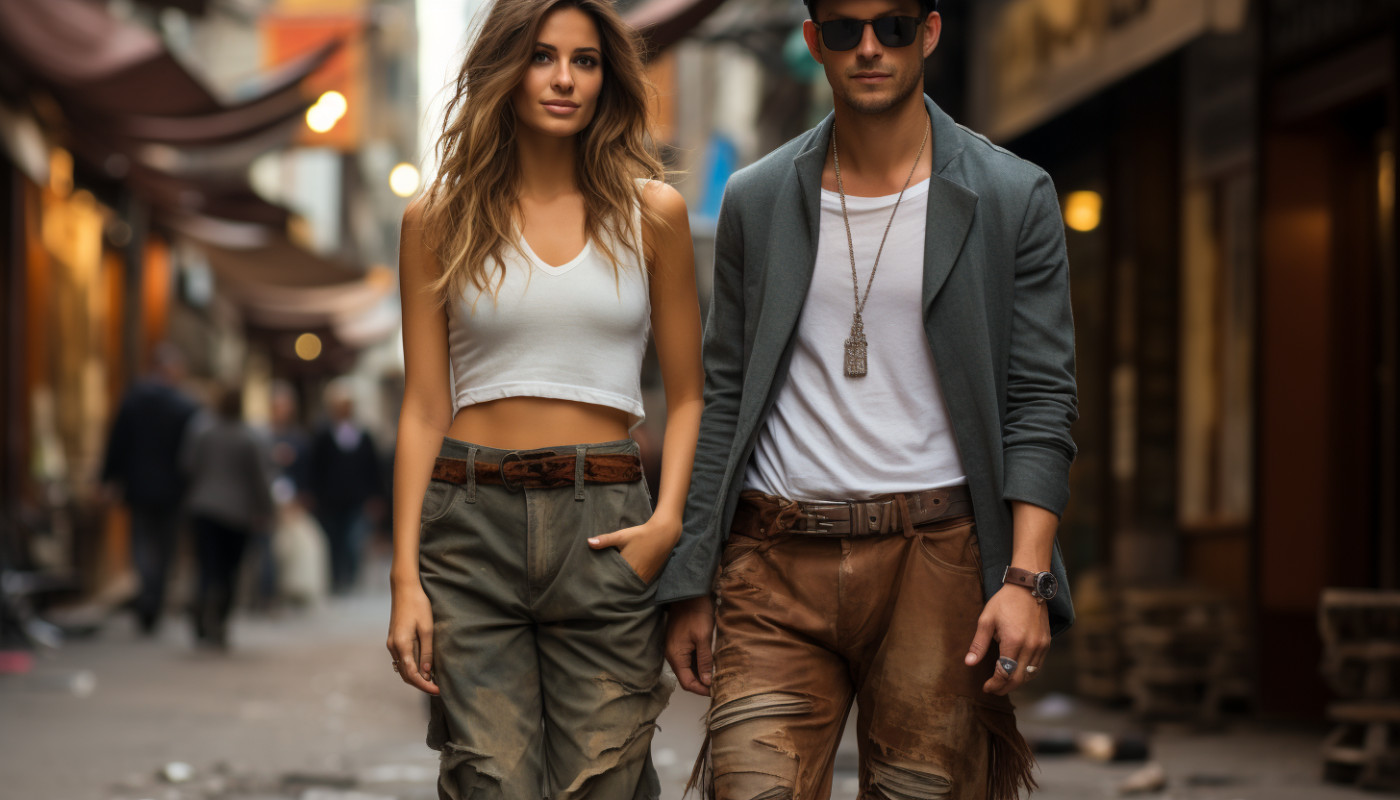
City style punishes outfits that try too hard. You can feel it the moment you step onto a subway platform, walk into a coffee shop in Chicago, or cross a packed block in Brooklyn wearing pieces that look loud but do nothing together. Layered Streetwear works because it gives your outfit shape, movement, and intention without making you look dressed for a costume shoot. The best version feels practical first, stylish second, and personal all the way through.
Modern American street style has moved past the old formula of hoodie, sneakers, and oversized jeans. That still works, but only when the layers carry a point. A cropped jacket over a long tee, a work shirt under a technical vest, or a thermal under a boxy overshirt can change the whole mood. Even brands, creators, and local style platforms now treat outfit building like storytelling, which is why a smart urban fashion presence matters for anyone trying to stand out in a crowded style space.
Layered Streetwear Looks Start With Proportion
Good layering begins before color, price, or brand names enter the conversation. Proportion decides whether an outfit feels sharp or messy. A heavy jacket over a slim base creates structure, while a long tee under a cropped bomber adds rhythm. The mistake many people make is stacking clothes without asking what each piece does to the body.
Oversized streetwear outfits need one clean anchor
Oversized streetwear outfits look best when one piece controls the shape. A wide hoodie with wide cargo pants can work, but only when the shoes have enough weight to hold the bottom of the outfit. Chunky sneakers, boots, or thick-soled skate shoes keep the look grounded.
A common New York winter outfit proves the point: a roomy hoodie, relaxed denim, and a cropped puffer. The hoodie gives comfort, the jeans keep the shape casual, and the puffer stops the whole outfit from swallowing the person wearing it. Without that shorter outer layer, the outfit can fall flat.
The anchor does not always need to be outerwear. Sometimes it is a fitted tee under an open flannel, or a straight-leg pant under a loose varsity jacket. The goal is balance, not tightness. Streetwear loses its confidence when everything fights for attention at the same volume.
Modern urban fashion depends on length control
Modern urban fashion rewards small length decisions that most people ignore. A tee that drops two inches below a hoodie looks intentional. A shirt that hangs too far below a jacket starts looking accidental. That line is thin, and it matters more than the logo on the chest.
A strong layered outfit often works in steps. The base layer sits closest to the body, the middle layer adds texture, and the top layer frames the full silhouette. Think thermal shirt, open denim shirt, and cropped work jacket. Each piece has a different job.
Length control also helps in warmer U.S. cities like Los Angeles, Austin, and Miami, where heavy layering makes no sense for much of the year. A tank under an open short-sleeve shirt, finished with light cargo pants, gives the same layered feeling without turning the outfit into a heat trap.
Texture Makes Casual Layering Ideas Feel Expensive
Once proportion works, texture carries the outfit. Flat cotton stacked on flat cotton can look dull, even when every piece fits well. Texture gives layered outfits depth, especially in photos, street settings, and low-effort everyday wear. This is where budget pieces can look far better than their price.
Casual layering ideas work better with fabric contrast
Casual layering ideas get stronger when each layer brings a different surface. A ribbed tank under a cotton hoodie under a nylon vest already has more life than three smooth cotton pieces. Denim, fleece, canvas, mesh, leather, and nylon all speak differently.
A simple example works almost anywhere in the U.S.: white tee, faded denim shirt, black nylon jacket, and olive cargos. None of those pieces need to be rare or expensive. The mix feels complete because the fabrics do not blur into one another.
Texture also lets you stay quiet with color. An all-black outfit can feel lazy when every fabric looks the same. Add washed denim, matte nylon, and a heavy cotton tee, and the outfit suddenly has depth without needing bright graphics.
Streetwear jackets change the whole outfit mood
Streetwear jackets carry more visual weight than most people admit. A bomber makes an outfit feel compact and athletic. A chore jacket adds utility. A leather jacket brings edge. A puffer gives volume. The jacket sets the final attitude before anyone notices the smaller choices.
Layered Streetwear often succeeds because the jacket edits the outfit. A graphic hoodie and cargo pants may feel young on their own, but a clean wool overshirt can mature the look. A plain tee and jeans may feel too safe, but a cropped technical jacket adds energy fast.
The smartest move is building around the jacket instead of adding it at the end. If the outer layer is bulky, keep the middle layer lighter. If the jacket is thin, let the hoodie or shirt underneath add body. That one choice prevents the stuffed, uncomfortable look that ruins many layered outfits.
Color Should Feel Local, Not Random
Color in streetwear should make sense for the street you are actually walking on. A neon-heavy outfit might work at a festival or in a creative district, but it can feel loud during a regular workday commute. Strong color choices come from restraint, not fear.
Neutral layers make bold pieces easier to wear
Neutral layers give you room to wear one bold item without looking overdone. A red varsity jacket lands better over a gray hoodie and black jeans. Bright sneakers feel cleaner when the pants and top stay calm. The eye needs a place to rest.
American city style often leans into this balance. In Boston, navy and gray layers feel natural against older streets and colder weather. In Los Angeles, cream, washed black, and faded brown fit the sun and concrete. In Atlanta, richer greens, burgundy, and deep denim often feel right with the city’s stronger style energy.
The trick is not copying a city uniform. It is reading the room. Your outfit should feel like it belongs where you are, even when it stands out. That kind of awareness separates personal style from random shopping.
Seasonal streetwear style needs temperature discipline
Seasonal streetwear style fails when people dress for the internet instead of the weather. A heavy puffer in mild fall heat looks uncomfortable because it is uncomfortable. Style loses power when the outfit makes no sense for the day.
Spring layering works best with breathable pieces: mesh tees, thin overshirts, nylon shells, and lighter denim. Fall can handle flannels, hoodies, bomber jackets, and lined vests. Winter calls for real insulation, not pretend warmth for a photo.
Summer still allows layers, but they need air. Open camp shirts, sleeveless vests, light tanks, and loose pants create shape without trapping heat. The best warm-weather streetwear looks easy because the person wearing it can actually move, sit, and breathe.
Accessories Finish the Outfit Without Taking It Over
Accessories should sharpen the outfit, not rescue it. A weak outfit with too many extras still looks weak. A strong outfit with one good bag, cap, chain, or pair of glasses feels finished without shouting.
Bags and hats add structure to oversized streetwear outfits
Bags and hats can control the visual weight of oversized streetwear outfits. A crossbody bag breaks up a wide hoodie. A fitted cap gives shape above a bulky jacket. A beanie softens harder pieces like leather, denim, and boots.
A black sling bag over a tan hoodie and brown cargos does more than hold keys. It creates a line across the chest, which gives the outfit direction. Small details like that often decide whether a look feels styled or thrown together.
Hats need the same restraint. A loud cap, loud jacket, and loud sneakers can make the outfit feel crowded. Pick one piece to speak clearly, then let the others support it. Quiet confidence always ages better than visual noise.
Footwear decides whether modern urban fashion lands
Shoes carry the final vote. Modern urban fashion can survive a plain top or simple pants, but weak footwear often breaks the whole outfit. The shoes tell people whether the look was considered from head to toe.
Skate shoes give layered outfits a relaxed base. Technical sneakers make cargo pants and shells feel sharper. Boots bring weight to wide denim and long coats. Minimal sneakers work when the outfit already has enough texture above the ankle.
The main rule is simple: match shoe weight to outfit weight. A bulky jacket and heavy cargos need shoes that can stand up to them. A lighter summer outfit needs footwear that does not drag it down. Your shoes do not need to be expensive, but they need to make sense.
Conclusion
Streetwear has grown up, but it has not lost its bite. The best outfits still carry comfort, attitude, and a little rebellion, only now the details matter more. Layering lets you build that feeling without depending on rare drops or giant logos. It gives you control over shape, mood, and weather.
Layered Streetwear works best when every piece earns its place. Start with proportion, add texture, keep color grounded, and finish with accessories that support the outfit instead of stealing from it. That approach turns simple clothes into a real point of view.
Your next move is simple: pull three pieces from your closet that have different lengths, different textures, and one shared color family. Try them together before buying anything new, because great streetwear usually starts with seeing your own clothes better.
Frequently Asked Questions
How do you style layered streetwear looks without looking bulky?
Start with a thinner base layer, add one midweight piece, then finish with a structured outer layer. Keep the heaviest item on top, and avoid stacking several loose pieces together. The outfit should move with you, not fight your body.
What are the best streetwear jackets for modern urban fashion?
Bomber jackets, puffers, chore jackets, varsity jackets, and technical shells all work well. The best choice depends on your climate and outfit shape. Cropped jackets sharpen loose pants, while longer coats work better with slimmer or straighter bottoms.
How can beginners create casual layering ideas on a budget?
Begin with basics you already own: plain tees, hoodies, flannels, denim shirts, and light jackets. Focus on contrast in length and fabric before buying new pieces. A thrifted overshirt or clean work jacket can change several outfits fast.
What colors work best for oversized streetwear outfits?
Black, gray, navy, olive, cream, brown, and washed denim are the safest base colors. Add one stronger color through a jacket, sneaker, or hat. Keeping most layers neutral helps oversized shapes feel controlled instead of chaotic.
Can layered streetwear work in warm U.S. cities?
Yes, but the fabrics need to stay light. Use tanks, open short-sleeve shirts, mesh layers, thin vests, and breathable pants. Warm-weather layering should create shape and contrast without adding heavy insulation.
What shoes go best with layered streetwear outfits?
Chunky sneakers, skate shoes, boots, and technical runners all pair well with layered streetwear. Match the shoe weight to the outfit. Wider pants and heavier jackets need stronger footwear, while lighter summer layers work better with cleaner sneakers.
How do you make streetwear look more mature?
Choose cleaner colors, better fabric contrast, and fewer loud graphics. Swap one casual piece for something sharper, like a wool overshirt, leather jacket, or structured coat. Mature streetwear still feels relaxed, but it looks edited.
What accessories improve modern urban fashion outfits?
Crossbody bags, caps, beanies, rings, watches, and simple chains can finish the look. Pick one or two accessories that match the outfit’s mood. Too many extras make the outfit feel busy, while one sharp detail adds intention.