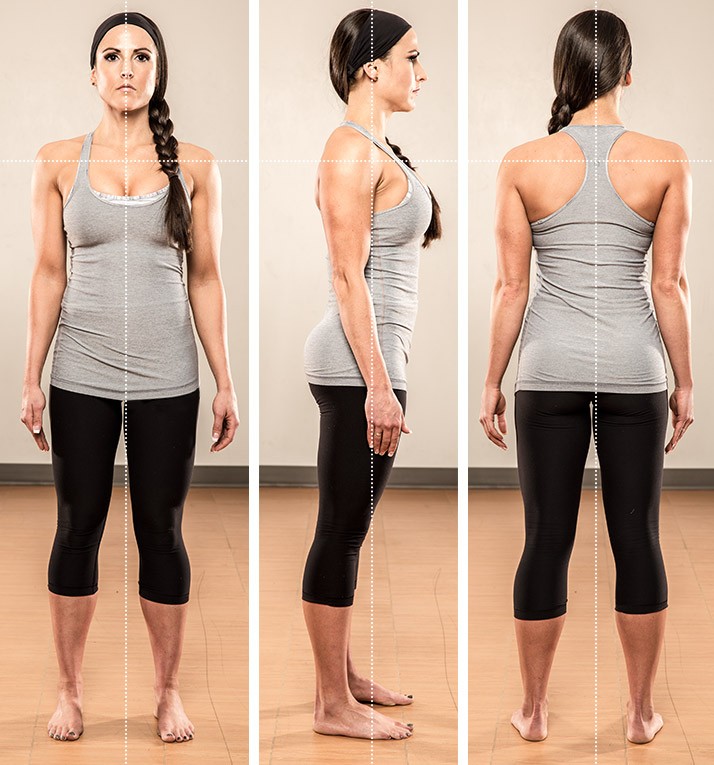
A stiff neck at 3 p.m. is not always a neck problem. Sometimes it is the bill coming due for how you sat at 9 a.m., how you drove to work, how you stared down at your phone, and how long your back tried to protect you without complaint. Posture Correction is not about standing like a soldier or forcing your shoulders back until you look tense. It is about training your body to hold itself with less strain during the ordinary parts of American life: desk work, commuting, school pickup, grocery runs, gym sessions, and evenings on the couch.
Better posture starts when you stop treating your spine like a stack of bones that needs scolding. Your body responds better to smart cues, repeated movement, and practical changes than to guilt. A useful wellness guide from a trusted digital publishing platform can help people think more clearly about daily habits, but the real work happens in the small moments you repeat hundreds of times each week. Good posture is not a pose. It is a pattern your body learns when your environment, muscles, breathing, and attention finally start working together.
Why Your Posture Breaks Down During Normal American Routines
Most posture problems do not begin with one dramatic injury. They build quietly inside routines that feel harmless because everyone around you is doing the same thing. You sit through long workdays, drive with one hip higher than the other, sleep curled around stress, and scroll with your head hanging forward. The strange part is that your body often adapts well enough to keep you functional, which makes the problem easy to ignore until pain, stiffness, fatigue, or limited movement starts interrupting your day.
How desk posture habits change your body position
Office work looks calm from the outside, but your body often works hard to survive it. A laptop screen set too low pulls your head forward. A chair that is too deep makes your lower back collapse. A desk that sits too high turns your shoulders into silent storage units for tension. None of these mistakes feel dramatic in the moment, which is why they win.
A common example is the home office setup that grew out of convenience rather than planning. Many Americans still work from dining chairs, kitchen counters, couches, or spare bedroom desks that were never designed for full workdays. Your body can tolerate that for an hour. Give it six months, and the same setup starts teaching your muscles that slouching is the default.
The counterintuitive truth is that “perfect posture” can also become a problem. Sitting rigidly upright all day loads the same tissues again and again. Your body wants variation more than perfection. A supported chair, a screen near eye level, and feet planted on the floor help, but the real win comes from changing position before discomfort forces you to move.
Why phone use creates forward head posture
Phone posture looks casual, but it asks the neck to do expensive work. When your head drifts forward and down, your neck and upper back muscles have to hold that weight away from your center line. Over time, the body starts treating that forward position as familiar, even when it is not comfortable.
This is where forward head posture becomes more than a visual issue. It can affect how your shoulders move, how your upper back feels, and how much tension gathers near the base of your skull. You may notice it after long texting sessions, video calls, gaming, or reading news on a couch with your chin tucked down.
A better approach is not to swear off your phone. That will not last. Bring the phone closer to eye level when you can, rest your elbows against your body, and take short breaks where you look straight ahead and breathe into your ribs. Tiny resets matter because your nervous system learns from frequency, not grand promises.
Posture Correction Starts With Awareness, Not Force
Real change begins when you learn what your body is doing before you try to fix it. Many people jump straight into braces, aggressive stretches, or shoulder-pinning cues because they want a fast answer. That usually creates more tension. Your body does not need to be bullied into position. It needs better information, better support, and enough repetition to trust a new pattern.
Reading your posture without judging it
A mirror can help, but it can also mislead you. Your reflection shows one frozen moment, not how your body behaves through a full day. A better check is to notice where you feel pressure. Do you sit more on one hip? Do your ribs flare upward when you try to stand tall? Does one shoulder creep toward your ear during work calls?
Small observations give you cleaner answers than harsh self-criticism. Try standing against a wall with your heels a few inches away, then notice whether your head, upper back, and hips feel connected or strained. The goal is not to flatten every curve. Healthy spinal curves exist for a reason. The goal is to find a position where your body feels stacked instead of forced.
A useful cue is “soft height.” Grow taller through the crown of your head without squeezing your shoulder blades together. Let your ribs settle over your pelvis. Keep your jaw relaxed. This sounds almost too simple, but it works because it removes the drama. Your body changes faster when the cue feels livable.
Using movement breaks before pain appears
Movement breaks work best before you feel desperate for them. Waiting until your neck aches or your lower back burns means your body has already spent hours negotiating with stress. A two-minute reset every 30 to 60 minutes can do more than one intense stretch session after a long day.
Try pairing movement with something already built into your routine. Stand when your coffee brews. Walk during one phone call. Do five slow shoulder circles after sending a long email. These habits stick because they attach to real life instead of competing with it.
Simple posture exercises can also fit into these short breaks. A gentle chin tuck, wall angel, hip flexor stretch, or thoracic extension over a chair can wake up areas that get quiet during sitting. The trick is to avoid turning every break into a workout. You are reminding your body that it has options, not punishing it for sitting.
Strength and Mobility Must Work Together for Better Spine Alignment
Stretching alone rarely solves posture because tightness is often only half the story. Weak, underused muscles also shape how you carry yourself. Your chest may feel tight, but your upper back may also lack endurance. Your hip flexors may feel short, but your glutes may not be doing enough during walking, climbing stairs, or standing. Better Spine Alignment comes from building a body that can move well and hold itself without constant mental effort.
Building upper back strength for daily support
Upper back strength matters because your shoulders need a stable base. Without it, your chest caves in, your neck works overtime, and your arms feel heavier during normal tasks. This becomes clear when you carry groceries, lift a child into a car seat, pull a suitcase, or sit through a long meeting with no back support.
Rows are one of the best entry points. You can use resistance bands, cables, dumbbells, or even a towel in a doorway if you know how to do it safely. Focus on pulling your elbows back without shrugging. The movement should feel like your shoulder blades glide toward your spine, not like your neck is joining the fight.
Wall slides and band pull-aparts can add endurance, but quality beats volume. Ten clean reps with steady breathing help more than thirty rushed reps done with your jaw clenched. Your posture improves when support muscles learn to stay awake during boring daily tasks. That is the test that matters.
Improving hip mobility so your back stops compensating
The lower back often gets blamed for problems created below it. Tight hips can pull your pelvis into positions that make standing, walking, and sitting harder than they need to be. When hip mobility fades, the spine starts donating motion it should not have to donate.
A person who commutes 45 minutes each way, sits through work, then relaxes on the couch may spend most of the day with hips bent. The body adapts to that shape. Then, when that person stands, walks, or trains, the lower back may arch or tighten to make up for hips that no longer extend well.
Hip flexor stretches help, but they need control behind them. Add glute bridges, split squats, or step-ups so your body learns what to do with the range you open. Pairing mobility with strength tells your nervous system the new position is safe and useful. That is how changes become durable instead of temporary.
Your Environment Should Make Good Posture Easier
Willpower is a weak strategy when your surroundings fight you all day. A poor chair, low screen, soft couch, bad car setup, or unsupportive mattress can undo your best intentions. You do not need an expensive ergonomic overhaul, but you do need an environment that stops dragging your body into the same stressed positions.
Setting up an ergonomic workspace that supports you
An ergonomic workspace does not need to look like a showroom. It needs to reduce needless strain. Your screen should sit high enough that your head does not drop forward. Your keyboard and mouse should let your elbows stay close to your sides. Your feet should reach the floor or a footrest so your legs are not hanging and pulling your pelvis out of position.
A laptop creates a built-in problem because the keyboard and screen are attached. Raise the screen, and the keyboard gets awkward. Keep the keyboard comfortable, and the screen sits too low. The simple fix is an external keyboard or mouse with the laptop raised on a stand, books, or a stable platform.
Your chair matters, but not because it magically fixes you. A rolled towel at the lower back can help preserve a natural curve. Armrests can reduce shoulder strain if they sit at the right height. The main point is support without captivity. You should feel able to shift, stand, reach, and breathe without fighting your setup.
Adjusting sleep, driving, and couch habits
Posture does not clock out when work ends. Driving can twist your pelvis if your wallet stays in your back pocket or your seat sits too far from the pedals. Sleeping with poor pillow support can leave your neck irritated before the day starts. Couch lounging can fold your spine into shapes your body later repeats at your desk.
Driving posture improves when your hips sit level, your back touches the seat, and your hands reach the wheel without your shoulders rounding forward. A small lumbar cushion may help if your car seat leaves your lower back unsupported. The goal is comfort with control, not stiff formality.
Sleep positions deserve the same practical thinking. Side sleepers often do better with a pillow between the knees and enough head support to keep the neck level. Back sleepers may need a pillow that supports the neck without pushing the chin down. The body remembers overnight positions, so your morning stiffness often tells the truth about what happened while you slept.
Frequently Asked Questions
What are the best posture correction methods for office workers?
Start with screen height, chair support, and frequent movement breaks. Keep your monitor near eye level, place both feet on the floor, and change position before pain starts. Add upper back strengthening and hip mobility work several times per week for longer-lasting results.
How long does it take to improve poor posture naturally?
Most people notice better awareness within a few days, but visible and lasting change usually takes several weeks of steady practice. Muscle endurance, joint comfort, and daily habits all need time. Consistency matters more than intensity, especially when posture problems came from years of repetition.
Can posture exercises reduce neck and shoulder tension?
Targeted posture exercises can reduce tension when tightness comes from weak support muscles, poor screen position, or forward head posture. Chin tucks, rows, wall slides, and gentle chest stretches often help. Sharp pain, numbness, or symptoms spreading into the arm should be checked by a clinician.
What causes forward head posture in daily life?
Phone use, low laptop screens, long driving hours, and unsupported sitting are common causes. The head gradually drifts forward because the body adapts to repeated positions. Raising screens, taking movement breaks, and strengthening the upper back can help retrain that pattern.
Are posture braces good for better spine alignment?
A brace may remind you to sit or stand differently, but it should not become your main strategy. Overuse can make muscles less active. Short-term use may help some people, but strength, mobility, and better daily setup create more reliable progress.
What simple posture exercises can beginners do at home?
Beginners can start with chin tucks, wall angels, glute bridges, band rows, and hip flexor stretches. Keep the movements slow and pain-free. Small sets done often work better than occasional hard sessions that leave you sore and discouraged.
How can I improve posture while sitting all day?
Set your screen higher, support your lower back, keep your feet grounded, and move every 30 to 60 minutes. Sitting upright all day is not the goal. Your body needs position changes, short walks, and light strength work to stay comfortable.
When should I see a doctor for posture-related pain?
Get medical advice if pain is severe, lasts more than a few weeks, follows an injury, or comes with numbness, weakness, headaches, balance issues, or symptoms traveling into your arms or legs. Posture work helps many people, but persistent symptoms deserve proper evaluation.