In today’s fast-paced world, many people are discovering the beauty of stylish traditions that seamlessly blend time-honored customs with contemporary flair. These meaningful practices allow us to honor our heritage while expressing our personal style and modern sensibilities. Whether you’re planning a wedding, celebrating holidays, or simply looking to add more meaningful rituals to your daily life, stylish traditions offer the perfect balance between honoring the past and embracing the present.
The concept of stylish traditions has gained significant momentum as people seek authentic ways to connect with their roots while maintaining relevance in modern society. These practices aren’t about rigidly following old customs, but rather about thoughtfully adapting traditional elements to fit our current lifestyles and aesthetic preferences.
Understanding the Essence of Stylish Traditions
Stylish traditions represent a thoughtful approach to preserving cultural heritage while infusing it with contemporary design and modern sensibilities. This concept goes beyond simply following old customs – it’s about creating meaningful experiences that resonate with today’s values while honoring historical significance.
The beauty of stylish traditions lies in their adaptability. They allow families and communities to maintain connections to their cultural roots while expressing their unique personalities and preferences. This approach recognizes that traditions must evolve to remain relevant and meaningful to new generations.
Many families today are discovering that stylish traditions help create stronger bonds and lasting memories. By carefully selecting which elements of traditional practices to maintain and which to modernize, they create celebrations and rituals that feel both familiar and fresh. This balance ensures that important cultural values are passed down while remaining engaging for younger family members.
The Evolution of Traditional Practices
Traditional practices have always evolved throughout history, adapting to changing circumstances, available resources, and shifting cultural values. What we consider “traditional” today was once innovative and new. Understanding this historical context helps us appreciate that creating stylish traditions is actually a continuation of this natural evolution rather than a departure from it.
Key Elements That Define Stylish Traditions
Creating successful stylish traditions requires understanding the essential elements that make them both meaningful and appealing. These components work together to create experiences that honor the past while feeling fresh and relevant.
Authenticity forms the foundation of any stylish tradition. This doesn’t mean rigid adherence to historical practices, but rather maintaining the core values and meanings that made the original tradition significant. When adapting traditions, it’s important to preserve the emotional and cultural significance that made them valuable in the first place.
Aesthetic appeal plays a crucial role in making traditions attractive to modern participants. This might involve updating color schemes, incorporating contemporary design elements, or choosing venues and settings that reflect current style preferences while still honoring the tradition’s essence.
Practical considerations ensure that stylish traditions can be realistically maintained in modern lifestyles. This includes adapting timing, locations, and requirements to fit contemporary schedules and circumstances while maintaining the tradition’s meaningful aspects.
Modern Wedding Traditions with Timeless Appeal
Wedding celebrations offer some of the most beautiful examples of stylish traditions in action. Modern couples are increasingly seeking ways to honor cultural heritage while creating celebrations that reflect their personal style and values.
Contemporary wedding traditions often blend elements from multiple cultural backgrounds, creating unique celebrations that honor diverse family histories. This might include incorporating traditional ceremonies from different cultures, adapting ancient rituals for modern venues, or creating new traditions that reflect the couple’s shared values and experiences.
Popular modern adaptations include updating traditional color schemes to reflect contemporary preferences, incorporating technology to share celebrations with distant family members, and adapting traditional foods to accommodate dietary restrictions while maintaining cultural significance. Many couples also choose to explain the historical significance of their chosen traditions to guests, creating educational moments that deepen appreciation for cultural heritage.
Incorporating Family Heirlooms and Modern Elements
One particularly meaningful aspect of stylish wedding traditions involves thoughtfully incorporating family heirlooms and meaningful objects into contemporary celebrations. This might include wearing vintage jewelry with modern attire, using antique serving pieces alongside contemporary table settings, or adapting family recipes for modern dietary preferences while maintaining their essential character.
Holiday Celebrations: Bridging Past and Present
Holiday traditions offer excellent opportunities to practice stylish traditions throughout the year. These celebrations provide regular chances to honor cultural heritage while creating new memories and strengthening family bonds.
Many families are discovering creative ways to update holiday traditions without losing their essential meaning. This might involve modernizing traditional decorations with contemporary color schemes and materials, adapting traditional recipes to accommodate modern dietary preferences, or incorporating new technologies to connect with distant family members during celebrations.
The key to successful holiday stylish traditions lies in maintaining the emotional and cultural significance of the celebration while making practical adaptations that work for contemporary lifestyles. This often involves thoughtful discussions about which elements are most important to preserve and which can be modified or updated.
Fashion and Style in Traditional Contexts
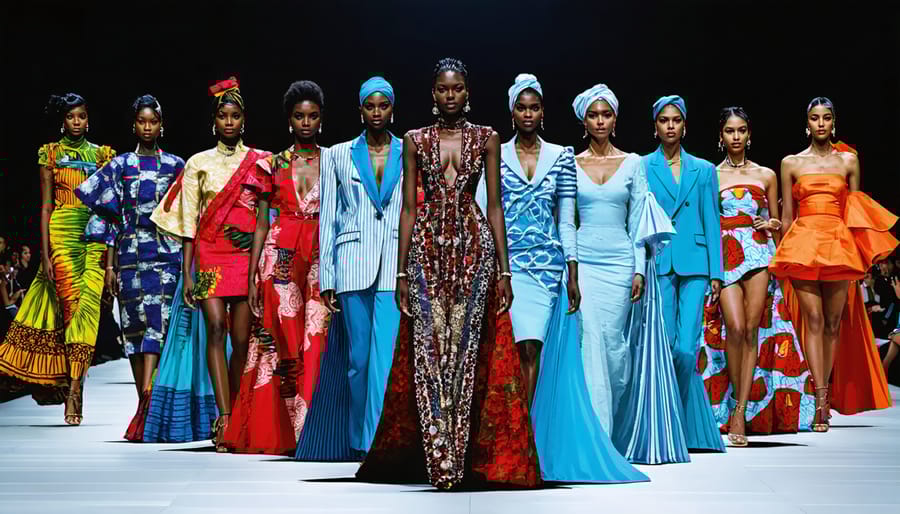
Clothing and personal style play significant roles in stylish traditions, offering opportunities to honor heritage while expressing individual personality and contemporary fashion sense. Traditional garments can be updated with modern fits, contemporary accessories, or current color trends while maintaining their cultural significance.
Many people are discovering the joy of incorporating traditional textile patterns, jewelry styles, or garment silhouettes into their everyday wardrobes. This approach allows for daily connection with cultural heritage while maintaining a contemporary aesthetic that feels natural and authentic.
Fashion designers and stylists are increasingly drawing inspiration from traditional garments and accessories, creating modern interpretations that honor cultural heritage while appealing to contemporary tastes. This trend has made it easier for people to incorporate elements of their cultural traditions into their personal style.
Adapting Traditional Attire for Modern Occasions
The art of adapting traditional attire for modern occasions requires balancing respect for cultural significance with practical considerations for contemporary events. This might involve modifying traditional garments for different weather conditions, updating fabrics for comfort and durability, or incorporating traditional elements into modern outfit combinations.
Home Decoration and Interior Design Influences
Stylish traditions extend naturally into home decoration and interior design, where traditional elements can create warm, meaningful living spaces that reflect both heritage and contemporary style preferences. This approach to home design celebrates cultural background while creating spaces that feel current and livable.
Traditional design elements such as textile patterns, color combinations, furniture styles, and decorative objects can be thoughtfully incorporated into modern homes. The key is selecting elements that genuinely resonate with personal taste and family history rather than simply following trends or creating museum-like displays.
Many homeowners are discovering that incorporating traditional design elements creates more meaningful and interesting living spaces than purely contemporary approaches. These elements often become conversation starters and help create connections with guests who share similar cultural backgrounds or appreciate the stories behind the design choices.
Successful integration of traditional design elements often involves starting with one or two meaningful pieces and building around them, rather than attempting to recreate entire traditional room settings. This approach allows for gradual development of personal style while maintaining flexibility for future changes and updates.
Culinary Traditions in Contemporary Kitchens
Food traditions offer some of the most accessible and enjoyable ways to practice stylish traditions in daily life. Traditional recipes can be adapted for modern dietary preferences, updated with contemporary ingredients, or presented in new ways while maintaining their essential flavors and cultural significance.
Many home cooks are discovering the satisfaction of mastering traditional family recipes while making modifications that work for their current lifestyles. This might involve reducing preparation time, adapting recipes for smaller families, or incorporating modern cooking techniques while preserving traditional flavors.
The presentation of traditional foods also offers opportunities for stylish adaptation. Traditional dishes can be served in contemporary settings, plated with modern techniques, or paired with updated beverages while maintaining their cultural authenticity and meaning.
Restaurant trends increasingly reflect interest in stylish traditional cuisine, with chefs creating modern interpretations of classic dishes that honor cultural heritage while appealing to contemporary palates. This professional approach can inspire home cooks to experiment with their own family recipes.
Creating New Family Traditions
While adapting existing traditions is valuable, creating entirely new family traditions that reflect current values and circumstances can be equally meaningful. These new stylish traditions might incorporate elements from family heritage while addressing modern family structures and lifestyles.
Successful new traditions often start simple and evolve over time as family members contribute their own ideas and preferences. The key is establishing practices that feel meaningful and sustainable rather than forced or overly complicated.
New family traditions might include annual activities that reflect family interests, regular gatherings that accommodate modern schedules, or celebration styles that honor multiple cultural backgrounds within blended families. The goal is creating meaningful shared experiences that strengthen family bonds and create lasting memories.
Documentation of new traditions through photography, journaling, or other recording methods helps establish their importance and provides material for future storytelling and tradition-sharing.
Community and Social Aspects
Stylish traditions often work best when they involve community participation and social connection. Sharing traditions with friends, neighbors, and extended family creates opportunities for cultural exchange and strengthens social bonds while maintaining individual family practices.
Community involvement in stylish traditions might include neighborhood celebrations that honor diverse cultural backgrounds, workplace recognition of various cultural holidays, or social gatherings that introduce traditional practices to new participants. These activities help preserve cultural heritage while building understanding and appreciation across different backgrounds.
Social media and digital technology offer new ways to share and preserve stylish traditions, allowing families to document their practices, connect with others who share similar traditions, and discover new ways to adapt traditional practices for modern life.
Educational opportunities also play important roles in maintaining stylish traditions, whether through formal classes, community workshops, or informal knowledge-sharing among family members and friends.
Technology’s Role in Modern Traditional Practices
Modern technology offers unprecedented opportunities to enhance and preserve stylish traditions while making them more accessible to contemporary participants. Digital tools can help document family histories, preserve traditional recipes, and connect with others who share similar cultural backgrounds.
Video calling technology allows families to include distant relatives in traditional celebrations, ensuring that geographic separation doesn’t prevent participation in meaningful family events. Social media platforms provide spaces for sharing traditional practices and discovering new ways to adapt familiar customs.
Apps and websites dedicated to preserving cultural traditions offer resources for learning traditional techniques, finding authentic ingredients, and connecting with others who share similar interests. These digital resources can supplement traditional knowledge-sharing methods while making cultural information more accessible to younger generations.
Digital documentation tools also help preserve traditional knowledge for future generations, whether through video recordings of traditional techniques, digital collections of family recipes, or online archives of family photographs and stories.
Planning and Organizing Stylish Traditional Events
Successful stylish traditional events require careful planning that balances respect for traditional elements with practical considerations for modern participants. This planning process involves considering logistics, budgets, participant needs, and cultural authenticity while creating memorable experiences.
Event planning for stylish traditions often begins with identifying the most important traditional elements to preserve and determining which aspects can be modified or updated. This decision-making process benefits from input from family elders, cultural advisors, or others with deep knowledge of the traditional practices being adapted.
Logistics for stylish traditional events must accommodate modern considerations such as dietary restrictions, accessibility needs, scheduling constraints, and budget limitations while maintaining the event’s cultural significance and emotional meaning.
Communication with participants before stylish traditional events helps ensure that everyone understands the cultural significance of planned activities and feels comfortable participating in meaningful ways.
Key Takeaways for Embracing Stylish Traditions
| Aspect | Traditional Approach | Stylish Adaptation | Benefits |
|---|---|---|---|
| Wedding Ceremonies | Rigid cultural protocols | Personalized cultural blending | Meaningful yet accessible celebrations |
| Holiday Celebrations | Fixed traditional formats | Flexible family-centered approaches | Increased participation and engagement |
| Home Design | Museum-like traditional displays | Integrated heritage elements | Living spaces that tell personal stories |
| Food Traditions | Exact recipe replication | Adapted recipes for modern needs | Maintained flavors with practical preparation |
The most successful stylish traditions maintain emotional and cultural significance while adapting to contemporary lifestyles and preferences. This balance ensures that meaningful practices continue to evolve and remain relevant to new generations while preserving their essential values and purposes.
Flexibility and creativity play crucial roles in developing stylish traditions that work for individual families and communities. Rather than rigid adherence to historical practices, successful adaptation involves thoughtful consideration of which elements are most important to preserve and which can be modified or updated.
Regular evaluation and adjustment of stylish traditions helps ensure they continue to serve their intended purposes while remaining engaging and meaningful for participants. This ongoing refinement process allows traditions to grow and develop alongside changing family circumstances and cultural contexts.
For those interested in exploring more about cultural adaptation and modern lifestyle integration, resources like GMRU offer valuable insights into balancing tradition with contemporary living, while platforms such as https://influencersgonewildblog.com/ provide guidance on documenting and sharing meaningful family practices.
Frequently Asked Questions About Stylish Traditions
Q: How do I start incorporating stylish traditions into my family life? A: Begin by identifying which traditional practices from your cultural background resonate most strongly with your family values. Start with simple adaptations of familiar traditions before attempting to create entirely new practices. Focus on maintaining the emotional and cultural significance while making practical adjustments for your current lifestyle.
Q: Is it disrespectful to modify traditional practices? A: Respectful modification of traditional practices involves maintaining their core values and significance while making practical adaptations. Consult with family elders or cultural advisors when possible, and ensure that changes serve to preserve rather than diminish the tradition’s meaning and importance.
Q: How can I ensure stylish traditions appeal to younger family members? A: Involve younger family members in the planning and adaptation process, explaining the cultural significance behind traditional practices while remaining open to their suggestions for meaningful updates. Focus on creating engaging experiences rather than rigid adherence to historical formats.
Q: What if my family comes from multiple cultural backgrounds? A: Blended cultural backgrounds offer opportunities to create unique stylish traditions that honor multiple heritages. Consider rotating celebrations, combining elements from different traditions, or creating new practices that reflect your family’s diverse background.
Q: How do I balance authenticity with modern convenience? A: Focus on preserving the emotional and cultural core of traditional practices while making practical adjustments for modern life. Authenticity comes from maintaining meaningful connections to cultural heritage rather than exact replication of historical practices.
Conclusion
Stylish traditions represent a beautiful way to honor cultural heritage while creating meaningful experiences that resonate with contemporary values and lifestyles. By thoughtfully adapting traditional practices, families and communities can maintain connections to their roots while expressing their unique personalities and modern sensibilities.
The key to successful stylish traditions lies in balancing respect for historical significance with practical adaptations that work for current circumstances. This approach ensures that meaningful cultural practices continue to evolve and remain relevant to new generations while preserving their essential values and purposes.
Whether you’re planning special celebrations, updating family customs, or simply looking to add more meaning to daily life, stylish traditions offer endless opportunities for creativity and connection. By embracing this approach, you can create lasting memories while honoring the wisdom and beauty of cultural heritage in ways that feel both authentic and contemporary.