In the world of contemporary fashion, few garments possess the raw cultural resonance and gritty authenticity of the Favela Hoodie. More than just an item of clothing, this hoodie represents a fusion of defiance, resilience, and streetwise style. Drawing inspiration from the urban landscapes of Brazil’s favelas—densely packed, vibrant, and often misunderstood communities—the Favela Hoodie encapsulates an identity born of struggle but worn with pride. It’s where streetwear becomes storytelling, and cotton becomes a canvas for culture.
Roots in the Streets: The Favela’s Cultural Influence
To truly understand the significance of the Favela Hoodie, we must begin with the favelas themselves. These neighborhoods are often seen through the lens of poverty and crime, but such a narrow view fails to capture the vibrant, creative energy pulsing through the alleyways and rooftops. Favelas are centers of innovation, art, music, and fashion. They are places where young people reinvent style with limited resources, where culture is not bought but made.
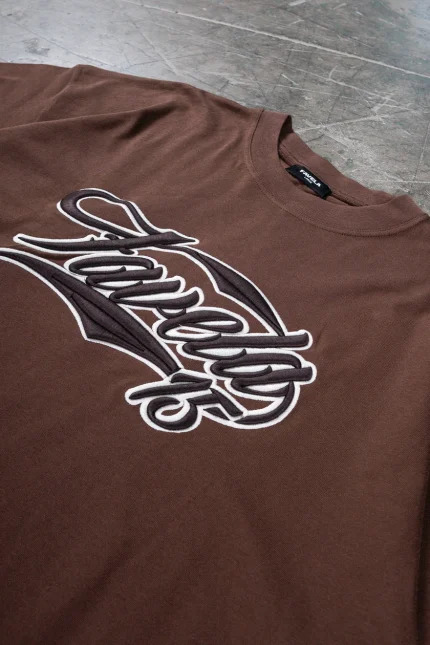
The hoodie takes its name from these iconic neighborhoods, and in doing so, it borrows the essence of their spirit. The design typically reflects the dynamic life of the favelas—raw edges, distressed textures, graffiti-inspired graphics, and bold logos. Every stitch tells a story of survival and originality. This is not fast fashion; this is real fashion—fashion that acknowledges its roots and doesn’t shy away from its narrative.
Design with Depth: More Than Just Fabric
The Favela Hoodie is a carefully thought-out piece of wearable art. At first glance, it may appear to be just another trendy hoodie, but its design philosophy runs deeper. From heavyweight fleece that mirrors the toughness of urban life to oversized silhouettes that reflect the relaxed yet assertive demeanor of streetwear culture, each element is intentional.
Most designs feature asymmetrical lines, raw hems, and hand-drawn typefaces—echoes of DIY fashion from the streets. Colorways often include stark contrasts—blacks, grays, and earth tones, occasionally punctuated by loud, rebellious splashes of red or yellow. These colors are not random; they evoke the complex moods of life in the favela—grit, joy, tension, rebellion, and celebration.
Often, a Favela Hoodie will feature symbolic imagery: barbed wire, broken concrete, or favela rooftops seen from above. Such motifs tell a story without needing words. They don’t glorify hardship but rather highlight the strength that arises from it. The wearer isn’t just sporting a brand—they’re wearing a narrative, one that speaks to resilience and the beauty of creating something powerful from very little.
Streetwear Meets Social Commentary
Streetwear has always been intertwined with socio-political commentary, and the Favela Hoodie is no exception. In many ways, this garment challenges traditional fashion norms and consumer expectations. It refuses to be polished, clean-cut, or silent. Instead, it is bold, brash, and unapologetic. It gives a voice to those whom society often overlooks.
Fashion houses and high-end labels may now try to replicate this “gritty aesthetic,” but the Favela Hoodie was born from authenticity, not marketing. It didn’t start in boardrooms—it started on sidewalks, basketball courts, music studios, and graffiti-covered stairwells. It stands in opposition to mass-produced sameness, offering instead a reminder that beauty and power often emerge from struggle and chaos.
Some brands behind Favela Hoodies even contribute a portion of their profits back to community initiatives, youth programs, or urban development projects. In this way, the hoodie becomes more than symbolic—it becomes an instrument for real change, turning profit into purpose.
Wearing the Attitude: Who Rocks the Favela Hoodie?
The Favela Hoodie has become an emblem worn by a diverse crowd—from underground rappers and skateboarders to fashion-forward creatives and social activists. It’s especially popular among Gen Z and millennials who are increasingly interested in authenticity, purpose-driven brands, and fashion with deeper meaning.
When someone wears a Favela Hoodie, they’re not just making a style statement—they’re aligning themselves with a set of values. They are signaling their appreciation for culture over couture, their recognition of struggle and survival, and their refusal to conform to sanitized fashion standards. It’s a garment for those who live boldly, speak loudly, and resist silently.
Celebrities, musicians, and influencers have also embraced the aesthetic, often using it as a symbol of counterculture. It’s not uncommon to see a Favela Hoodie paired with luxury sneakers or gold chains—a visual reminder that street and elite can merge when authenticity is the bridge.
Beyond Borders: A Global Appeal
Though rooted in Brazilian street culture, the appeal of the Favela Hoodie transcends geographical boundaries. In Paris, Tokyo, New York, and Johannesburg, you’ll find versions of the hoodie being worn as cultural badges. That global spread is a testament to the universal power of fashion as a language—and to the favela’s far-reaching cultural influence.
What makes the Favela Hoodie particularly special is that it doesn’t lose its identity as it travels. While it adapts slightly to local trends, its core aesthetic remains: bold, raw, and rebellious. Whether worn in a London art gallery or a Los Angeles block party, it brings with it a story of resistance and rebirth.
Sustainable Style: Ethical Roots and Future Vision
In an era where fast fashion is increasingly scrutinized, the Favela Hoodie stands out not only for its story but also for its sustainability practices. Many of the indie brands that produce these hoodies emphasize ethical sourcing, local manufacturing, and eco-conscious materials. Some are even made from recycled fabrics or deadstock, turning fashion waste into style statements.
This ethical angle aligns with the hoodie’s deeper message—making something out of nothing, honoring community, and minimizing harm. It offers buyers a chance to invest in style without compromising on their values. In fact, many see the Favela Hoodie not just as a garment but as a movement toward mindful streetwear.
Conclusion: The Hoodie as Revolution
At its core, the Favela Hoodie is not just a hoodie—it’s a revolution stitched into fabric. It stands as a declaration of identity for those who live on the edges, who challenge the norm, and who believe that fashion should mean something more. It’s not about perfection; it’s about truth. It’s about embracing the beautiful imperfections of urban life and turning them into something wearable, tangible, and powerful.
This hoodie tells you that it’s okay to be rough around the edges. That beauty exists in overlooked places. That struggle can breed strength, and that streetwear can be more than trendy—it can be timeless.