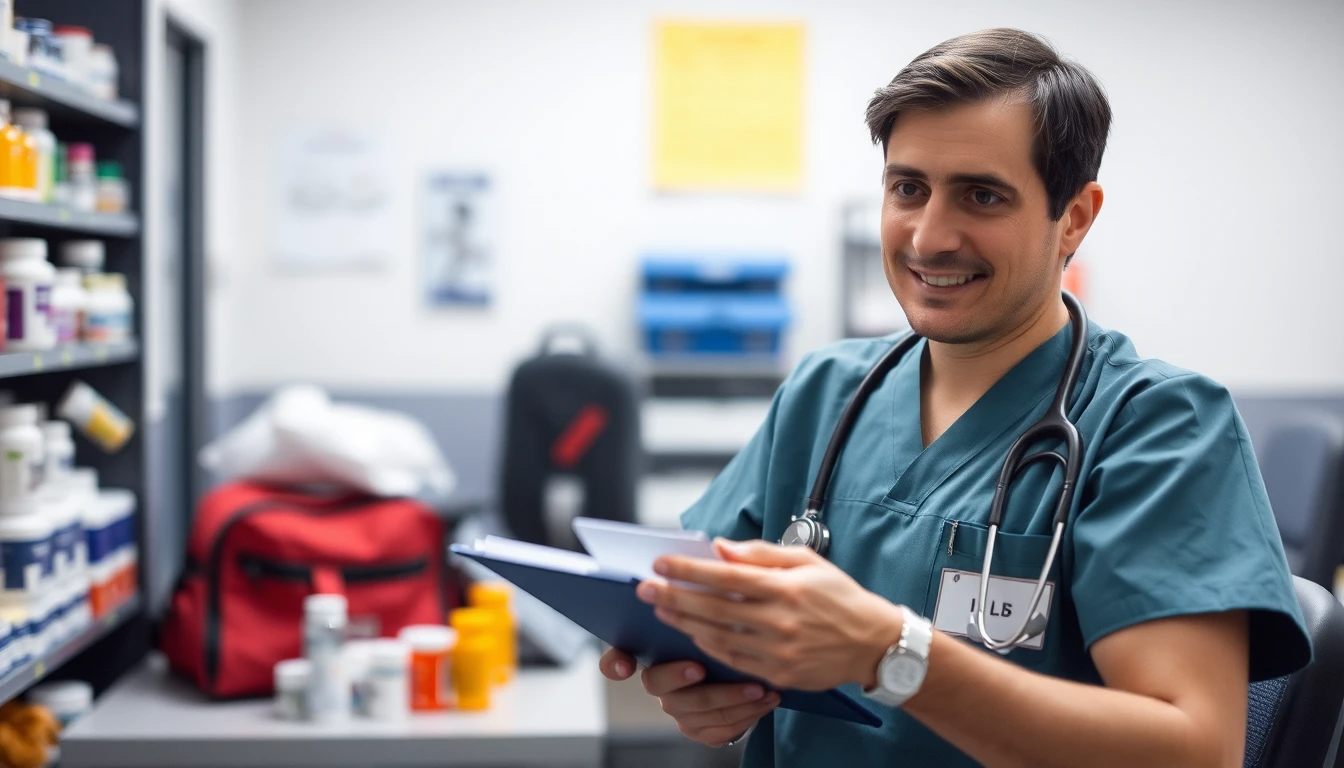
When it comes to patient care, especially in urgent situations, having immediate access to essential emergency medicines is critical. Throughout my 15 years of medical practice, I’ve learned the importance of preparedness and rapid response. As a healthcare provider, your ability to respond swiftly and effectively depends significantly on how well-stocked and managed your PBS doctor’s bag is. That’s precisely why collaborating with a trusted supplier like express medical pharmacy is crucial. Let’s dive into how you can maximize your doctor’s bag to provide the best care possible.
Understanding the PBS Doctor’s Bag Scheme in Australia
The Pharmaceutical Benefits Scheme (PBS) Doctor’s Bag scheme provides essential emergency medications subsidized by the Australian government. The primary aim is to ensure you, as a GP, can provide immediate care in urgent situations outside your regular practice.
In my experience, maintaining compliance and understanding the intricacies of this scheme has made handling emergencies significantly less stressful. Regularly reviewing PBS guidelines ensures you stock the most appropriate medications for emergency scenarios.
Essential Emergency Medicines
From my professional experience, these are the emergency medications you must always have in your PBS doctor’s bag:
Adrenaline for Anaphylaxis
Anaphylaxis can occur rapidly and unpredictably. Adrenaline is the first-line medication to counteract severe allergic reactions effectively. I’ve witnessed countless times how rapid administration can prevent life-threatening outcomes.
Benzodiazepines for Seizures
Seizure management requires quick and effective intervention. Benzodiazepines, such as Diazepam or Midazolam, are essential for immediate seizure control. Timely administration significantly reduces risks of prolonged seizures and associated complications.
Antibiotics for Severe Infections
Immediate antibiotic intervention can halt serious infections from progressing. Broad-spectrum antibiotics, such as Amoxicillin, are invaluable in quickly stabilizing patients until more targeted treatments become available.
Analgesics for Pain Management
Effective pain management significantly impacts patient comfort and outcomes. Including Paracetamol or Ibuprofen ensures you can promptly address various pain levels effectively, improving patient experience during emergency situations.
Anti-emetics for Nausea and Vomiting
Managing nausea or severe vomiting with anti-emetics like Metoclopramide prevents dehydration and other complications. This is particularly critical for elderly or vulnerable patients.
Proper Storage and Handling
Correct storage is just as crucial as having the right medications. From my practice, I have learned the following practices are non-negotiable:
Temperature-sensitive Medications
Some emergency medications are temperature-sensitive. Adrenaline, for instance, loses effectiveness if improperly stored. Ensuring that medications remain within the recommended temperature ranges is vital for maintaining efficacy.
Storage Best Practices
- Keep medications clearly labeled and organized to reduce errors.
- Utilize insulated bags for medications requiring strict temperature control.
- Regularly check your doctor’s bag to ensure everything remains in optimal condition.
These simple yet powerful storage guidelines significantly reduce medication degradation and improve patient outcomes.
Administration Guidelines
Administration accuracy is critical during emergencies. Here are guidelines that have consistently proven effective in my practice:
Dosage Essentials
Familiarize yourself regularly with recommended dosages for different patient categories. I suggest creating an easily accessible dosage guide within your doctor’s bag for rapid referencing.
Common Administration Errors to Avoid
- Incorrect dosage calculations: Always double-check dosages.
- Incorrect medication administration routes: Clearly mark and review medication administration routes.
- Using expired medications: Regularly audit expiry dates.
Being meticulous in administration prevents avoidable errors, ensuring patient safety.
Real-life Case Scenarios
Let me share two scenarios from my own practice where proper preparedness with my PBS doctor’s bag made the difference:
Case 1: Anaphylactic Reaction
On a house call, a patient had a severe allergic reaction to a bee sting. Immediate access to adrenaline allowed rapid administration, significantly improving the patient’s condition within minutes. Prompt action prevented potential complications and hospitalization.
Case 2: Acute Seizure Management
I encountered a patient experiencing sudden seizures at a community event. Having benzodiazepines readily available in my bag allowed for immediate intervention, stabilizing the patient swiftly and safely.
These experiences underscore how preparedness directly translates to better patient outcomes.
Reflective Questions to Assess Your Preparedness
Regularly evaluating your readiness helps enhance patient care. Consider asking yourself:
- Am I fully confident with administering all emergency medications correctly?
- Is my PBS doctor’s bag consistently up-to-date and fully stocked?
- Do I regularly audit my supplies for expiry and adequate stock levels?
Honest answers to these questions lead to consistent improvements and higher standards of care.
Importance of a Well-maintained Medicine Kit
A well-maintained medicine kit isn’t just regulatory compliance—it’s essential patient care. Over the years, maintaining a meticulously organized doctor’s bag has significantly boosted my confidence and responsiveness in urgent situations. Patients notice and appreciate this preparedness, fostering stronger trust and rapport.
Quick Reference Resources for Australian Doctors
Enhancing your preparedness also involves knowing where to access reliable resources quickly. I recommend:
- PBS Doctor’s Bag Booklet (regularly updated)
- Australian Therapeutic Guidelines
- Online dosage calculators and mobile apps specifically designed for medical professionals
Having these resources readily available on your devices or in your office further enhances your emergency preparedness and responsiveness.
Preparedness doesn’t stop at stocking your doctor’s bag; it includes ensuring everything stays organized and accessible. Partnering with providers like express medical pharmacy has greatly simplified maintaining my doctor’s bag over the years, allowing me more time for patient care.
Your ability to respond effectively in emergencies directly depends on your preparedness. Regular reviews, thoughtful organization, and reliable resources ensure you’re always ready to provide exceptional care exactly when patients need it most.