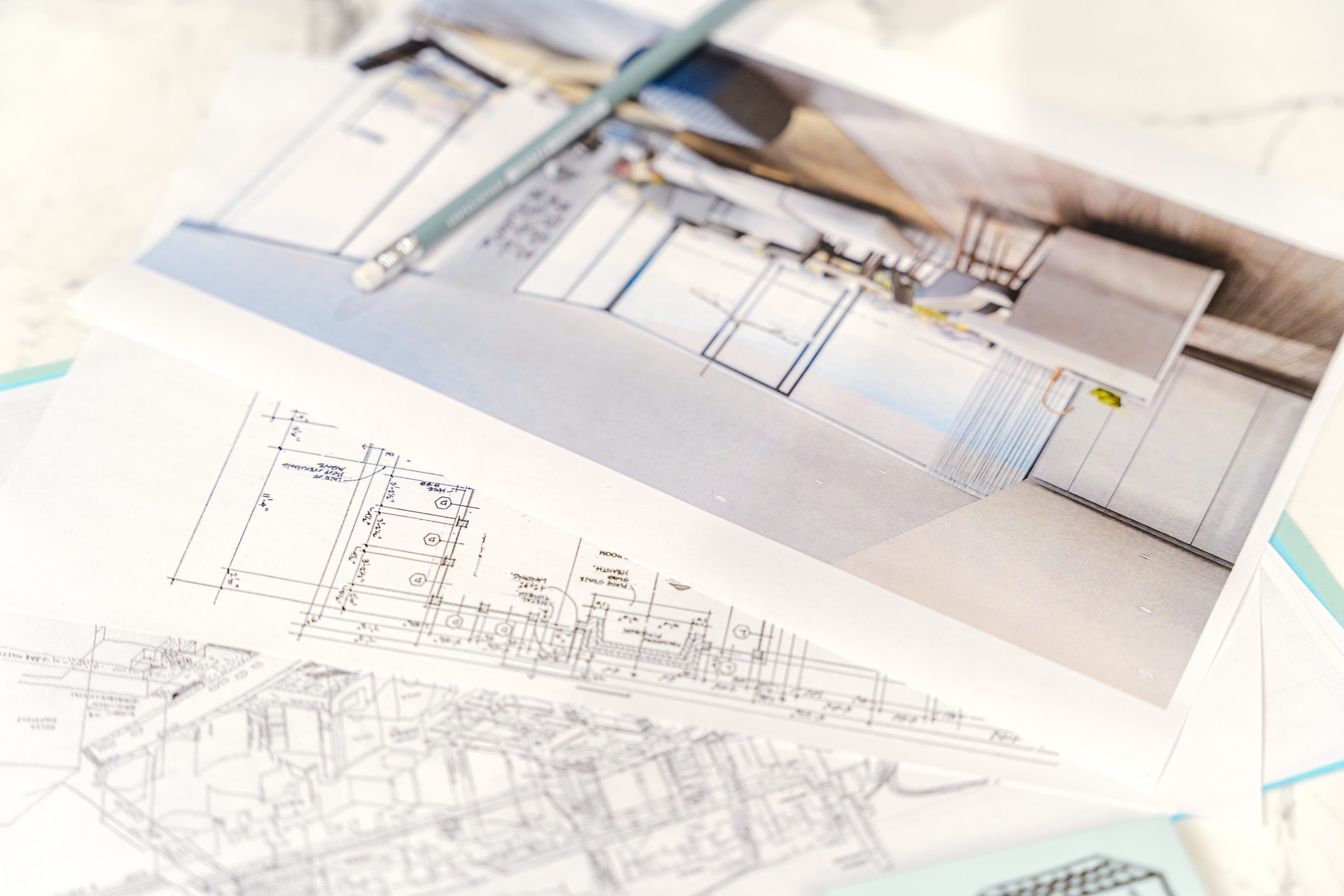
Coastal developments are among the most challenging and rewarding infrastructure projects due to their complex interaction with natural forces and ecosystems. From marinas and waterfront properties to piers, sea walls, and resorts, these projects require rigorous planning, design, and structural integrity. Structural Drafting Services are at the heart of ensuring that such developments are both resilient and sustainable. This article explores the role of structural drafting in coastal projects through a focused case study, highlighting the methodologies, technologies, and value they bring to coastal engineering.
Understanding Structural Drafting in Coastal Contexts
Structural drafting is the creation of detailed technical drawings that convey the design and specifications of structural elements. In coastal developments, structural drafting must consider not just the architectural and functional requirements but also the environmental stresses unique to marine and shoreline environments—such as saltwater corrosion, high winds, tidal forces, and shifting foundations.
Drafters work closely with engineers to translate complex calculations into precise, buildable plans. These plans must also comply with coastal regulations, environmental laws, and local zoning ordinances. The accuracy and depth of structural drafts are crucial to ensure constructability, cost-efficiency, and long-term durability.
Case Study: Coastal Resort Development in the UAE
Project Overview:
In 2023, a luxury coastal resort development was initiated on the eastern shoreline of the UAE, near the Gulf of Oman. The 150-acre project included a marina, overwater villas, a sea wall, and multiple high-rise buildings. Given the ambitious scope and proximity to harsh marine conditions, structural drafting services played a pivotal role in the project’s success.
Challenges Faced:
The project encountered several engineering challenges from the outset:
- Environmental Exposure: Constant exposure to high humidity, salt spray, and strong winds meant materials had to be chosen and reinforced appropriately.
- Soil Instability: The coastal soil had low bearing capacity, increasing the risk of settlement.
- Tidal Variations: Tidal changes required adaptive designs for marine structures, particularly the marina and sea wall.
- Seismic Considerations: Despite being in a relatively low-risk area, UAE construction codes still mandate earthquake-resistant design.
Role of Structural Drafting Services
The engineering team partnered with a leading structural drafting firm specializing in coastal developments. Their responsibilities spanned the entire life cycle of the design phase.
1. Accurate 2D and 3D Drafting:
Using software such as AutoCAD, Revit, and Tekla Structures, drafters created high-precision 2D drawings and 3D models of all structural components. These included foundation layouts, beam-column connections, pile caps, retaining walls, and reinforced concrete detailing. The use of 3D BIM (Building Information Modeling) allowed for better coordination among architecture, mechanical, and civil disciplines.
2. Marine Structure Detailing:
Particular attention was paid to the marina and sea wall. Drafts included intricate reinforcement details for wave deflectors, mooring anchors, and submerged retaining elements. These were essential for withstanding hydrodynamic forces during storms and high tides.
3. Material and Corrosion Consideration:
Structural drafting incorporated specifications for corrosion-resistant materials, such as epoxy-coated rebar and marine-grade stainless steel. Coating details, cover thicknesses, and joint protections were also clearly drafted to ensure durability.
4. Foundation Design Support:
Given the poor soil conditions, deep pile foundations were used. The drafters worked from geotechnical reports to create accurate piling layouts, rebar cage drawings, and pile cap configurations. Clear notations ensured constructability even in underwater conditions.
5. Compliance with Codes and Standards:
The drafts followed international and UAE-specific codes, including ACI, BS, and Eurocodes, along with local authority regulations. This ensured that permit approvals were obtained without delays and reduced the risk of costly redesigns.
Benefits Realized
The impact of quality structural drafting was felt throughout the construction process:
- Improved Collaboration: Detailed drafts enhanced communication between architects, structural engineers, and contractors. BIM models allowed real-time visualization and conflict detection.
- Reduced Errors: Clear detailing minimized on-site mistakes and rework, leading to cost savings and reduced project timelines.
- Enhanced Durability: With precise reinforcement and corrosion protection details, structures were built to withstand the coastal environment.
- Efficient Procurement: Bill of materials (BOM) and schedules extracted from the drafts allowed for accurate budgeting and timely ordering of materials.

Lessons Learned and Best Practices
This case study emphasizes the following best practices in structural drafting for coastal developments:
- Engage Early: Structural drafters should be involved from the conceptual phase to ensure feasibility.
- Use BIM Effectively: 3D modeling is invaluable for coordination in complex coastal projects.
- Consider Maintenance: Drafts should include provisions for inspection points and maintenance access, critical in marine settings.
- Update Regularly: As designs evolve, drafting documentation must be updated to prevent inconsistencies during construction.
Conclusion
Structural drafting services are indispensable in coastal development projects. As illustrated in the UAE resort case study, detailed, accurate drafting ensures not only constructability but also long-term structural resilience in the face of marine challenges. With growing demand for coastal infrastructure worldwide—driven by tourism, climate adaptation, and urban expansion—investment in high-quality structural drafting services is not just beneficial, but essential for success.