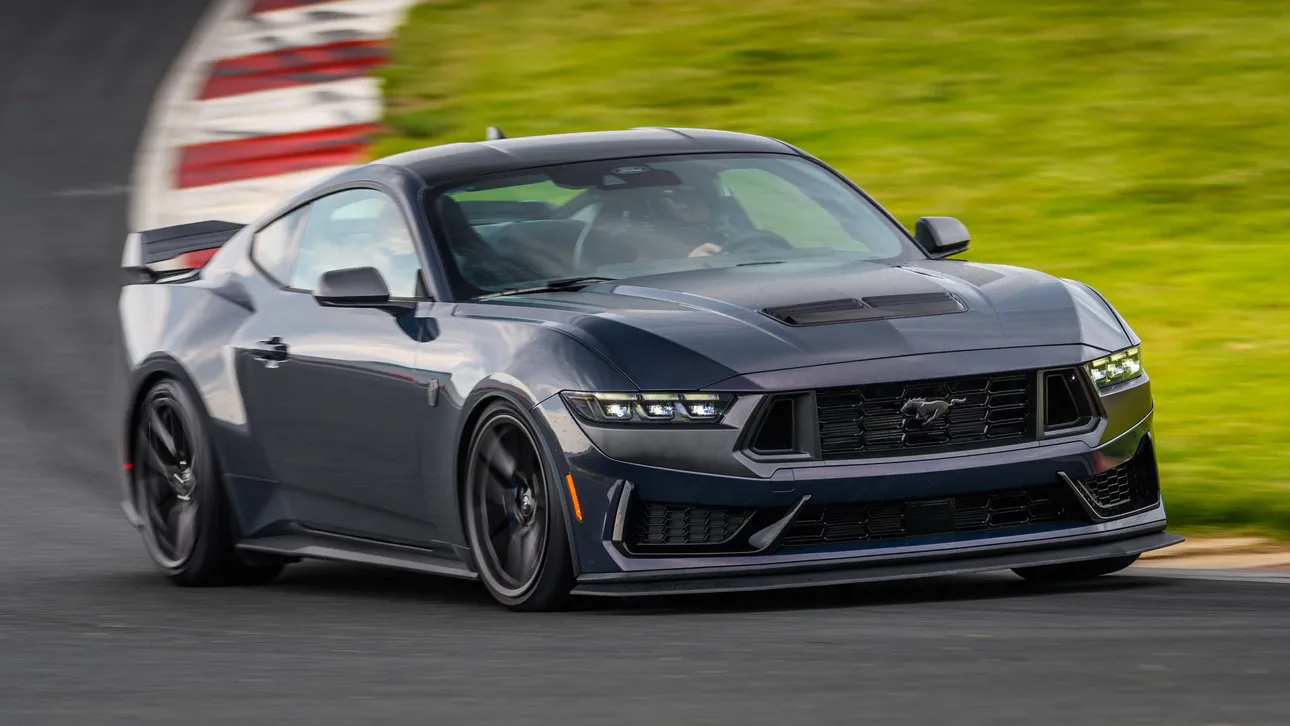
A sports car does not feel special because it looks fast in a driveway. It earns that feeling when every part of the machine talks to the road, the driver, and the moment with sharp purpose. The best sports car features turn speed into control, sound into feedback, and confidence into something you can feel through your hands before the speedometer tells the story. For American drivers, that matters even more because the same car may handle coastal highways, desert heat, mountain switchbacks, weekend track events, and daily traffic in one ownership cycle.
That is why smart buyers look beyond horsepower. A strong engine matters, but it is only one piece of the deal. The better question is how the car brakes after a hard pull, how it settles into a corner, how the seats hold your body, and how well the technology supports the drive without numbing it. Trusted automotive resources such as performance-focused driving insights can help drivers think past the badge and focus on what makes the car rewarding mile after mile.
Sports Car Features That Shape Real Driver Control
Control starts before speed becomes exciting. A car that feels planted at 45 mph will usually feel more trustworthy at 85 mph, while a nervous car never becomes charming just because the engine sounds angry. The real difference sits in how the chassis, steering, tires, and driver position work as one system instead of separate selling points.
Why sports car handling matters more than raw speed
Power gets attention, but sports car handling keeps the drive clean when the road stops being simple. A fast car with vague steering asks you to guess. A well-tuned car tells you what the front tires are doing, how much grip remains, and when the rear end is ready to rotate.
American roads expose weak handling fast. A freeway ramp in Dallas, a canyon road outside Los Angeles, or a damp backroad in North Carolina all punish sloppy balance in different ways. The car does not need to feel harsh to feel sharp. It needs to respond honestly.
Good handling also makes a sports car easier to enjoy at legal speeds. That sounds counterintuitive until you drive one that turns cleanly into a corner without drama. You do not need to chase illegal speed to feel the car working. The reward comes from precision.
Steering feel and chassis balance change everything
Steering feel separates a memorable car from a fast appliance. When the wheel has weight, feedback, and steady response, you stop overcorrecting. You place the car once, trust it, and let the road come to you.
Chassis balance matters because no driver wants a car that fights every input. A front-heavy car may push wide in corners. A tail-happy car may feel lively at first and tiring after an hour. The sweet spot feels calm until you ask for more, then it wakes up without turning reckless.
This is where engineering beats bragging rights. A sports car with modest horsepower but excellent balance can feel richer than a more powerful model with lazy body control. Ask anyone who has driven a good lightweight coupe hard through a tight road. Numbers fade. Balance stays in your memory.
Powertrain Design Built for High Performance Driving
A thrilling engine should never feel like a loose cannon. It should deliver force in a way the driver can read, manage, and repeat. That is the difference between a car that scares you once and a car that teaches you something every time you drive it.
What high performance driving demands from an engine
High performance driving asks the engine to do more than make peak power. It needs clean throttle response, steady cooling, durable oil control, and a power curve that makes sense outside a brochure. A sudden burst can feel fun in a straight line, but it can also upset the car mid-corner.
The best engines build speed with rhythm. Some pull hard from low rpm and make passing effortless. Others reward revs and make the driver work for the payoff. Neither approach is wrong, but the engine must match the car’s mission.
A Corvette driver crossing Texas, a Miata owner carving Appalachian roads, and a Porsche buyer heading to a track day all need different answers. The right powertrain fits the setting. That is where smart buying begins.
Transmission response can make or ruin the drive
A transmission decides how close the driver feels to the machine. A good manual gearbox gives each shift weight and timing. A good automatic or dual-clutch unit fires through gears quickly without feeling confused in traffic.
Poor transmission tuning ruins otherwise strong cars. Delayed downshifts, clumsy low-speed behavior, or gear ratios that keep the engine out of its sweet spot can make a powerful car feel dull. Speed without connection gets old fast.
Drivers should pay attention during a test drive. Does the car downshift when you expect it to? Does a manual clutch bite cleanly? Does the transmission feel calm in a parking lot and alert on an open road? Those answers matter more than another ten horsepower.
Performance Car Technology That Supports the Driver
Technology belongs in a sports car only when it makes the driver better, safer, or more informed. It should not turn the car into a video game with leather seats. The strongest systems work quietly in the background until the driver needs them.
How performance car technology improves confidence
Performance car technology can help drivers explore a car’s ability without stepping too far past their own skill. Drive modes, adaptive dampers, launch control, brake cooling alerts, tire temperature displays, and stability systems all add value when they serve a clear purpose.
A wet mode on a powerful rear-wheel-drive car is not a gimmick when summer rain hits an Atlanta highway. Adaptive suspension is not decoration when a car must handle both broken city pavement and smooth backroads. Good tech expands the car’s usable range.
The danger comes when buyers mistake screens for substance. A huge display does not improve grip. A flashy mode selector does not fix poor suspension tuning. The best performance car technology disappears into the drive instead of demanding attention.
Safety systems must respect driver feel
Modern driver aids can save lives, but sports cars need careful tuning. Lane assistance that tugs too hard, stability control that cuts power too early, or automatic braking that reacts late can break the rhythm of a confident driver. The system has to help without becoming bossy.
That does not mean safety should be ignored. Strong brakes, high-quality tires, tire pressure monitoring, traction control, and proper crash protection all matter. The National Highway Traffic Safety Administration offers practical tire safety guidance, and that matters because tires are the only parts of the car touching the road.
The smartest sports car owners treat safety as part of performance. Fresh brake fluid, proper tire condition, and correct alignment make a car faster, cleaner, and safer. The boring maintenance is often what lets the exciting parts shine.
Comfort, Cabin Design, and the Full Driving Experience
A sports car has to fit the driver before it can impress the driver. The cabin is not only a place to sit. It controls how your body handles cornering, how your eyes track the road, and how tired you feel after two hours behind the wheel.
Why the driving experience starts with seating position
A strong driving experience begins when the seat, wheel, pedals, and shifter line up naturally. If you sit too high, stretch too far, or brace your knee against hard plastic, the car starts losing you before the engine warms up.
Good sports seats do not need to feel like race shells. They need support in the shoulders, ribs, and thighs without punishing daily use. A seat that feels fine during a five-minute test drive can become annoying after a long Sunday route through Colorado foothills or Pennsylvania backroads.
Visibility also matters more than many buyers admit. You drive better when you can place the car confidently. Thick pillars, poor mirror angles, or a low hood you cannot read may add tension where there should be flow.
Sound, materials, and layout affect focus
Cabin sound shapes emotion. A good exhaust note makes acceleration feel alive, but constant drone can drain the fun from highway miles. The best sports cars give you sound when you ask for it and quiet when the road gets long.
Materials matter because touch builds trust. A steering wheel with the right thickness, pedals with solid resistance, and controls that fall naturally to hand make the car feel intentional. Cheap switches in an expensive sports car create a small doubt every time you use them.
Interior layout should keep the driver’s eyes up. Climate controls, drive settings, and media functions should not require a scavenger hunt. A sports car cabin should feel focused, not stripped of comfort for the sake of image.
Braking, Tires, and Aerodynamics for Real Road Performance
Speed is easy to sell because it sounds exciting. Stopping, gripping, and cutting through air sound less glamorous, yet those traits decide whether a sports car feels serious after the first hard drive. The hidden work often carries the biggest reward.
Brakes reveal the truth after repeated use
Strong brakes do not only stop the car once. They keep stopping it when heat builds, when a downhill road keeps coming, or when a track session lasts longer than your first burst of courage. That is where many sporty-looking cars get exposed.
Brake feel matters as much as brake size. A firm, progressive pedal lets you trim speed with accuracy. A soft or grabby pedal makes every corner entry feel clumsy. Confidence disappears when your foot cannot predict what happens next.
American drivers who plan weekend mountain drives or track days should look for proper brake cooling, quality pads, and fluid that can handle heat. Even the best factory system needs care. Performance is never a one-time purchase.
Tires and aero turn power into usable grip
Tires decide how much of the car’s promise reaches the pavement. A powerful coupe on poor tires is like a strong athlete running in dress shoes. It may still move fast, but it wastes effort and risks control.
Aerodynamics also matter, though not always in dramatic ways. Splitters, diffusers, spoilers, and underbody shaping can add stability at speed when designed well. Fake vents and oversized wings do less than buyers hope and sometimes add drag without benefit.
The lesson is simple: grip beats theater. A car with thoughtful tires and honest aero will feel more settled than one dressed up for attention. The road can tell the difference.
Ownership Factors American Buyers Should Not Ignore
A sports car lives in the real world after the showroom excitement fades. Insurance, maintenance, fuel, parts, weather, and local road quality all shape whether the car stays enjoyable or becomes a weekend guilt trip parked under a cover.
Daily use changes which features matter most
A daily-driven sports car needs different strengths than a garage-kept weekend car. Ride quality, ground clearance, cargo space, visibility, and cabin noise matter more when the car handles school runs, grocery stops, and weekday traffic.
This is where buyers often lie to themselves. They say they will accept anything for performance, then complain when the front splitter scrapes every driveway. A car does not need to be soft, but it does need to match your actual life.
Drivers in snowy states may care about heated seats, tire options, and all-wheel drive. Drivers in Arizona or Florida may care more about cooling, seat ventilation, and paint protection. The right choice changes with the ZIP code.
Long-term costs can reshape the experience
Performance cars often cost more after purchase than buyers expect. Tires wear faster. Brakes cost more. Insurance can jump. Specialty parts may take longer to source, especially for low-volume models.
That does not mean ownership has to feel risky. It means the buyer should plan like an adult before signing. A pre-purchase inspection, service history, realistic tire budget, and warranty review can prevent a dream car from becoming a financial bruise.
The best ownership experience comes when excitement and discipline work together. Buy the car that moves you, but understand what it asks in return. That balance keeps the relationship healthy.
Conclusion
A great sports car is not built from one loud trait. It is built from the way power, grip, braking, feedback, comfort, and trust come together when the road asks a question. The smartest buyers do not chase the biggest number first. They look for the car that feels honest at normal speeds, stable under pressure, and rewarding when driven with care.
That is why sports car features deserve close attention before any American buyer gets pulled in by badge prestige or showroom shine. The right mix will make every drive feel sharper without making ownership miserable. The wrong mix will turn excitement into compromise faster than most people expect.
Choose the car that matches your roads, your skill, your climate, and your real schedule. Then maintain it like performance depends on every detail, because it does. Test drive with your hands, your ears, your back, and your common sense before your wallet makes the call.
Frequently Asked Questions
What sports car features matter most for daily driving?
Comfortable seats, good visibility, predictable steering, strong brakes, and manageable ride quality matter most for daily use. A powerful engine helps, but daily enjoyment depends on whether the car feels easy to live with in traffic, parking lots, rough pavement, and changing weather.
How does sports car handling affect driver confidence?
Sharp handling helps the driver understand how the car reacts during turning, braking, and acceleration. When steering feedback and chassis balance feel clear, the driver makes cleaner inputs and feels more relaxed, especially on winding roads or during quick lane changes.
Is high performance driving safe for beginners?
Safe learning starts with controlled environments, proper instruction, and respect for the car’s limits. Public roads are not the place to test maximum ability. Beginners should focus on smooth inputs, braking control, tire condition, and driver training before pushing harder.
What performance car technology is actually useful?
Adaptive suspension, stability control, tire pressure monitoring, drive modes, brake temperature alerts, and traction systems can add real value. Useful technology improves control or awareness without distracting the driver. Flashy screens and fake performance modes matter far less.
Do sports cars need special tires?
Yes, tires have a major effect on grip, braking, steering feel, and wet-weather safety. Many sports cars need performance tires matched to the climate and driving style. Summer tires may feel excellent in warm weather but perform poorly in cold conditions.
Are automatic sports cars less fun than manual cars?
Not always. A good manual adds driver involvement, but many modern automatic and dual-clutch transmissions shift faster and work better in traffic. The better choice depends on whether the driver values engagement, speed, comfort, or a mix of all three.
What should buyers check before purchasing a used sports car?
Service records, tire condition, brake wear, accident history, fluid leaks, suspension health, clutch or transmission behavior, and prior modifications all deserve close review. A professional pre-purchase inspection is worth the cost because sports car repairs can become expensive fast.
Can a sports car be practical for American families?
Some models can work as second cars or light daily drivers, especially larger coupes and performance sedans. True two-seat sports cars usually limit cargo room and passenger flexibility. Practicality depends on commute length, climate, parking, road quality, and household needs.