A car rarely feels unsafe all at once. It starts with a small bounce after a speed bump, a little nose-dive when you brake, or a tire that wears faster than the others. Many drivers blame the road first, then the tires, then the weather. Fair enough. American roads can be rough, patched, grooved, salted, baked, and forgotten in the same year. Still, car suspension basics explain a lot of what you feel from the driver’s seat: control, comfort, grip, and confidence.
Your suspension does not exist only to make the ride soft. That is the common mistake. A good system keeps the tires planted while the body of the vehicle moves in a controlled way. That matters on a highway ramp in Texas, a cracked city street in Chicago, a gravel driveway in Vermont, or a rain-slick road in Georgia. Drivers who follow practical automotive maintenance advice from trusted resources such as road safety and vehicle care guides tend to spot warning signs earlier, because they understand what the car is trying to tell them.
How Suspension Parts Shape Smoother Road Handling
The suspension system works under constant pressure, even when the road looks calm. Every turn, dip, pothole, curb cut, and panic stop asks the system to balance comfort with control. That balance is never accidental. It comes from parts that must move, compress, rebound, and hold alignment while the tires keep searching for grip.
Why springs carry more than vehicle weight
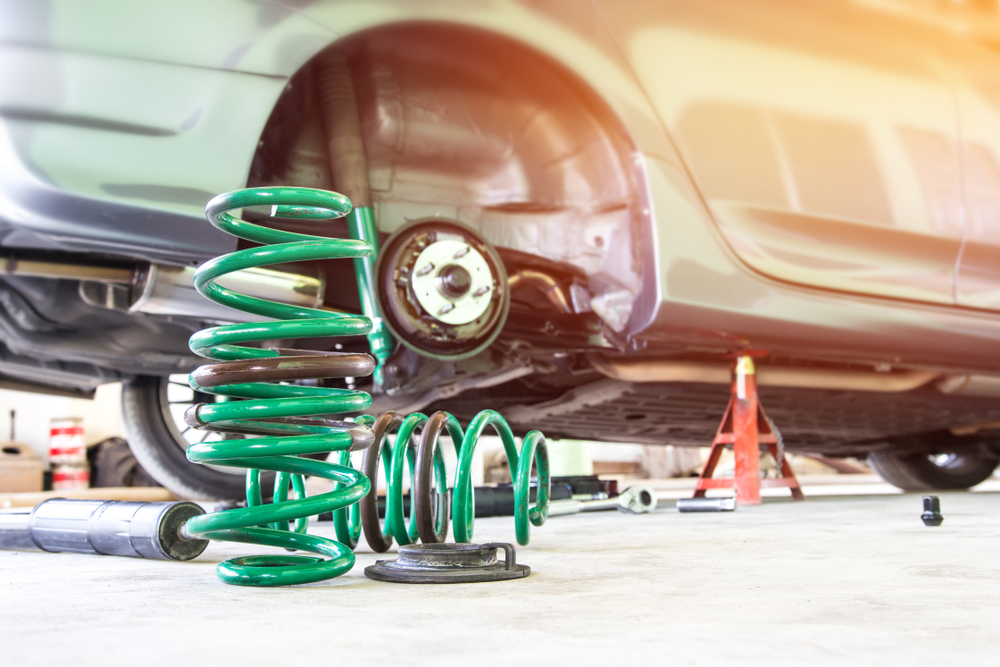
Springs do the heavy lifting long before the shocks get involved. They support the vehicle’s weight, absorb road impact, and help the body return to its normal height after a bump. On a smooth interstate, they may seem invisible. On a broken side street, they become the difference between a controlled ride and a cabin that feels like it is being tossed around.
Most everyday vehicles use coil springs, though some trucks and older designs use leaf springs or torsion bars. Each design has a job. A family SUV needs enough spring strength to carry passengers, groceries, luggage, and gear without sagging. A pickup needs load support. A compact car needs a lighter feel without losing stability.
Bad springs do not always snap dramatically. Sometimes they sag slowly. One corner of the vehicle may sit lower than the others, or the car may bottom out over bumps that never caused trouble before. That slow change is easy to ignore because it happens by inches, not alarms.
What shocks and struts actually control
Shocks and struts do not hold the car up in the way many drivers think. Their main job is to control spring movement. Without them, the spring would keep bouncing after every bump like a basketball dropped on concrete. That bounce may look harmless from outside, but behind the wheel it steals tire contact and steering precision.
Struts combine structural support with damping control, while shocks mainly manage motion. Many front-wheel-drive cars use struts up front because they save space and help with steering geometry. Larger vehicles may use separate shocks and springs, depending on design.
Worn shocks or struts often show up as extra body movement. The car may float after a dip, lean more in turns, or take longer to settle after crossing railroad tracks. On the highway, that can feel like wind is pushing the vehicle around. The truth may be simpler: the suspension has stopped calming the car down.
Reading Ride Comfort Before Problems Get Expensive
A driver who listens early usually spends less later. Suspension problems rarely stay in one corner of the vehicle. A weak strut can affect tire wear. Poor alignment can strain steering parts. A loose bushing can turn a normal commute into a slow grind of clunks, vibration, and uneven control.
How road feel warns you before parts fail
Road feel tells a story, but it does not shout. A steering wheel that trembles at certain speeds may point toward tire balance, worn suspension components, or wheel issues. A clunk over driveway entrances may suggest a loose ball joint, sway bar link, or worn bushing. A car that pulls to one side may need alignment, but it can also reveal deeper wear.
Drivers often wait for a dashboard warning light. Suspension rarely gives that courtesy. The warning comes through your hands, seat, and ears. You feel it when the car no longer tracks cleanly. You hear it when bumps make a dull knock instead of a firm thud.
The counterintuitive part is that a harsher ride is not always the first sign. Sometimes the ride gets too soft. A car that feels floaty may seem comfortable at low speed, then feel nervous when you brake hard or swerve around debris. Comfort without control is not comfort at all.
Why tire wear exposes hidden suspension stress
Tires are honest. They show what the suspension and alignment are doing mile after mile. Uneven inner-edge wear may point to camber problems. Feathered tread can signal toe misalignment. Cupped patches often suggest worn shocks or struts that let the tire hop instead of roll cleanly.
This is where many drivers lose money twice. They replace the tires, skip the suspension inspection, and watch the new set wear out early. The tire shop may balance everything perfectly, but balance cannot fix a worn control arm bushing or a weak damper.
A simple habit helps: look at the tires every few weeks when you fuel up or wash the car. Do not only check tread depth. Look for uneven patterns, scalloped spots, cracks, sidewall bulges, and wear that appears on one edge more than the other. Tires often reveal the problem before the steering wheel does.
Suspension Basics That Affect Steering and Braking
The suspension does more than soften bumps. It helps the vehicle steer, stop, and stay predictable when weight shifts. That matters most during the moments drivers do not plan: a deer steps into the road, traffic suddenly stops, or a pothole appears after the car ahead moves away.
How weight transfer changes control in real time
Every vehicle shifts weight when it moves. Brake hard, and the front suspension compresses. Accelerate, and the rear squats. Turn left, and the body rolls right. None of that is a defect. The issue is whether the suspension manages that movement cleanly.
Strong damping keeps weight transfer controlled. Weak damping lets the body move too far or too fast. That extra motion changes how much pressure each tire has on the road. During emergency braking, worn front struts can allow more nose-dive, which can upset stability and lengthen the feeling of the stop.
You may not notice this in normal driving because daily stops are gentle. The problem appears when the car needs its full ability. That is why suspension wear can feel harmless for months, then suddenly matter in one hard braking moment. Cars do not ask whether the driver is ready.
Why alignment depends on healthy suspension parts
Alignment is often treated like a quick adjustment, but it depends on the parts holding the wheels in place. Control arms, bushings, tie rods, ball joints, and mounts all help maintain wheel angles. When those parts wear, alignment settings can drift or fail to hold.
A shop can set the numbers perfectly on the rack, yet the car may still pull or chew through tires if a worn part shifts under load. That is why a good technician checks for looseness before making adjustments. Setting alignment on tired parts is like hanging a picture on a loose nail. It may look right for a minute.
American drivers who hit potholes, road seams, curbs, and winter-damaged pavement face this more often than they think. A single hard impact can bend a component or knock the alignment out. Repeated small impacts can do the same thing slowly. Both deserve attention.
Building Better Habits for Long-Term Suspension Health
Good suspension care is not complicated, but it does reward consistency. You do not need to become a mechanic. You need to notice changes, schedule inspections before long trips, and stop treating suspension as a comfort feature only. It protects tires, steering response, braking confidence, and ride stability.
When inspections matter most for daily drivers
Inspections matter after hard impacts, before road trips, and whenever the car starts feeling different. A driver in Pennsylvania who deals with potholes after winter has different risks than someone in Arizona facing heat-damaged pavement and dust. The road changes the wear pattern, but the need for attention stays the same.
A practical inspection should include shocks, struts, springs, mounts, bushings, ball joints, tie rods, sway bar links, and tire condition. The technician should look for leaks, cracked rubber, looseness, uneven ride height, and abnormal tire wear. A quick glance is not enough when the symptoms already exist.
You can also do a simple walkaround at home. Check whether the vehicle sits level. Listen for new noises at low speed with the windows down. Pay attention to steering feel after bumps. Small clues matter because suspension damage often begins as a pattern, not a single event.
How smart driving protects suspension life
Driving style affects suspension life more than most people admit. Slamming through potholes, braking late into rough intersections, overloading the vehicle, and hitting curbs during parking all add stress. One mistake may not ruin anything. A year of careless habits will leave evidence.
Speed matters over rough surfaces. A pothole at 20 mph and the same pothole at 45 mph are not the same event. The faster hit sends more force through the tire, wheel, bearing, control arm, and shock. That force has to go somewhere.
The best habit is simple: give the suspension time to work. Slow down for broken pavement, avoid carrying unnecessary weight, keep tires inflated to the vehicle placard pressure, and repair worn parts before they drag other parts down with them. Car suspension basics are not only about knowing the names of components. They are about respecting the chain reaction underneath the car.
Conclusion
A smoother ride starts long before the cabin feels quiet. It starts where the tires meet the road and where the suspension decides how much of that road reaches your hands, seat, and steering wheel. The mistake is waiting until the car feels awful before paying attention. By then, the tires may already be wearing wrong, the alignment may be drifting, and the braking feel may be less stable than it should be.
Treat suspension care as part of safe ownership, not a repair category you visit after something clunks. Listen for changes. Watch the tires. Take pothole hits seriously. Ask for a proper inspection when the vehicle feels different, even if the change seems small.
The real value of car suspension basics is confidence. You begin to understand why the car leans, bounces, pulls, settles, or complains. That knowledge helps you act earlier and drive better. Before your next long drive, check the ride, inspect the tires, and let the road tell you what your vehicle needs next.
Frequently Asked Questions
What are the most common signs of worn car suspension parts?
Common signs include clunking over bumps, uneven tire wear, nose-diving during braking, excessive bouncing, steering vibration, and a vehicle that pulls to one side. A ride that feels too floaty can also point to worn shocks or struts, even if it does not feel harsh.
How often should suspension parts be inspected on a daily driver?
A yearly inspection works well for many drivers, but rough roads, pothole impacts, heavy loads, or high mileage call for more frequent checks. It is smart to inspect suspension before long trips and anytime the car starts making new noises or handling differently.
Can bad suspension cause uneven tire wear?
Yes, worn shocks, struts, bushings, ball joints, and alignment-related parts can all cause uneven tire wear. The tire may develop cupping, feathering, or edge wear. Replacing tires without fixing the suspension issue often leads to the same wear pattern returning.
Is it safe to drive with a noisy suspension?
A small noise may not mean immediate danger, but it should never be ignored. Clunks, knocks, squeaks, or rattles can point to loose or worn parts. If steering feels unstable, the vehicle pulls, or braking feels different, have it inspected as soon as possible.
What is the difference between shocks and struts?
Shocks mainly control spring movement and reduce bouncing. Struts also control movement, but they form part of the vehicle’s structural suspension design and often support steering geometry. Many vehicles use struts in front and shocks in the rear, depending on the model.
Do potholes damage suspension immediately?
A hard pothole hit can bend wheels, damage tires, knock alignment out, or harm suspension components right away. Smaller repeated impacts can also cause gradual wear. After a severe hit, watch for pulling, vibration, steering changes, new noises, or visible tire damage.
Why does my car bounce after going over bumps?
Excessive bouncing often means the shocks or struts are no longer controlling spring movement well. The springs still absorb the bump, but the dampers fail to settle the vehicle quickly. That can reduce tire contact and make the car feel loose or unstable.
Can suspension problems affect braking distance?
Yes, suspension problems can affect how stable the vehicle feels during braking. Worn shocks or struts may allow too much weight transfer, which can reduce control and make emergency stops feel less planted. Good suspension helps tires stay connected to the road under pressure.